 Lynden Siding
 Asphalt Shingle Roofing for Maple Falls Homes
Maple Falls sits in a part of Whatcom County where the roof over your head works harder than it does almost anywhere else in the state. Between the marine air drifting in from the Salish Sea, the near-constant fall and winter rain, and a moss season that can stretch from October through April, an asphalt shingle roof here is under a different kind of pressure than the same roof would face in a drier climate. We install and repair asphalt shingle roofs on homes throughout the Maple Falls area, and this page walks through what a roof actually needs to hold up out here, what correct installation looks like, and how we approach the work.
Asphalt shingles remain one of the most practical roofing choices for this region when they're installed with the right underlayment, ventilation, and flashing details. The material itself isn't the weak link in most roof failures we see — poor installation, inadequate ventilation, and deferred maintenance are. That's the gap we try to close.
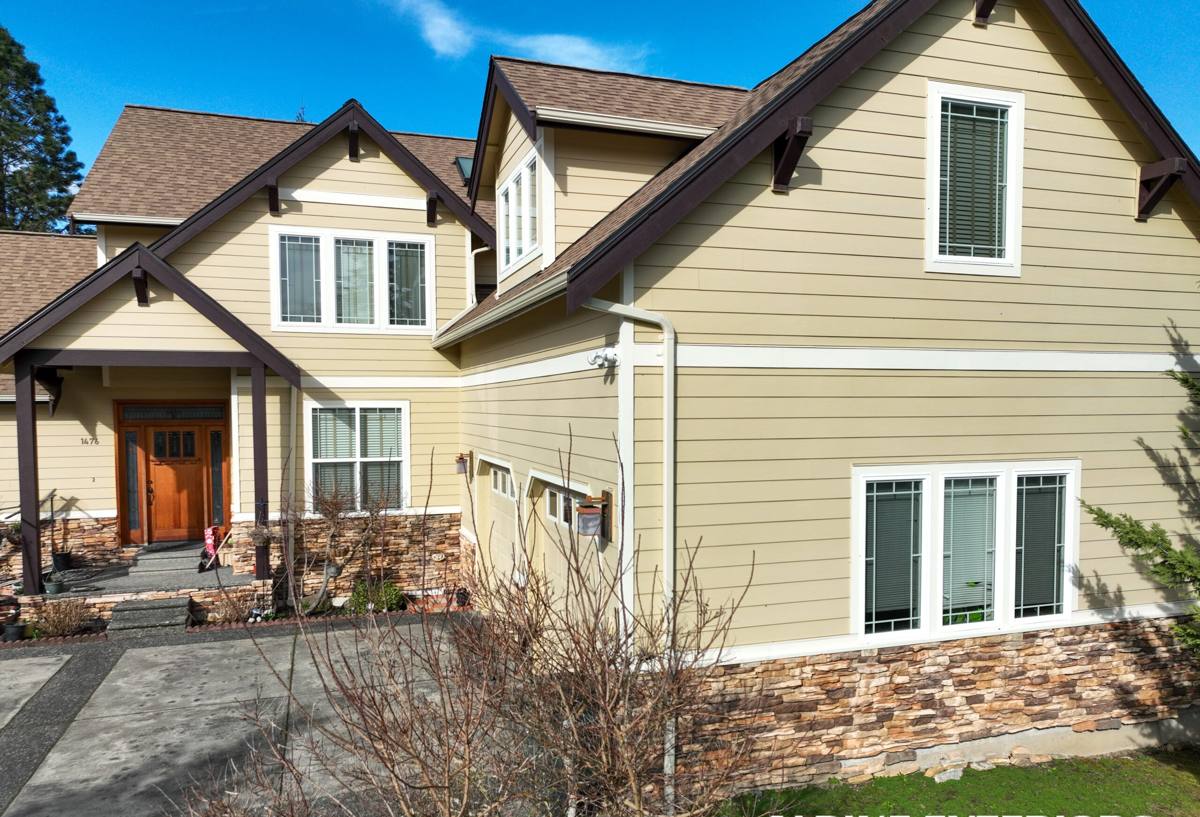
Why Maple Falls Roofs Take a Different Kind of Beating
Salt Air and Corrosion
Even well inland from the coastline, homes in this part of Whatcom County get exposure to salt-laden air carried off the water. Over years, that air accelerates corrosion on exposed metal — flashing, fasteners, vents, and gutter hardware. A roofing job that uses bare or lower-grade fasteners and flashing may look fine for a few seasons before corrosion starts working at the seams, which is exactly where leaks begin.
Driving Rain
This isn't gentle, straight-down rain. Wind-driven storms push water sideways and upward under shingle edges, around chimneys, and into valleys. A roof that would perform adequately in a calmer climate can fail here if the underlayment, valley metal, and flashing laps aren't installed to handle rain that doesn't just fall — it gets pushed.
A Long Moss Season
Shade from surrounding trees, cooler temperatures, and near-constant moisture from fall through spring make Maple Falls prime territory for moss and algae growth on roofing. Moss isn't just cosmetic. As it establishes on shingles, it holds moisture against the roof surface, lifts shingle edges as it grows, and can work its way under tabs and flashing over time. Left unmanaged for a few seasons, moss growth shortens the usable life of an otherwise sound roof.
What a Correctly Installed Asphalt Shingle Roof Includes
A shingle roof is a system, not just a layer of shingles nailed to plywood. Each layer has a job, and skipping or shortcutting any one of them is where most premature failures start.
| Component | Function | Why It Matters Here |
|---|---|---|
| Ice and water shield | Self-adhering waterproof membrane at eaves, valleys, and penetrations | Backs up the shingle layer where wind-driven rain and moss-trapped moisture are most likely to find a way in |
| Synthetic underlayment | Secondary water barrier across the full roof deck | Handles the sustained wet season and any moisture that gets past the shingle surface |
| Drip edge | Metal edging at eaves and rakes | Directs water off the roof edge instead of behind gutters or fascia boards |
| Step and counter-flashing | Metal at walls, chimneys, and roof-to-wall transitions | Corrosion-resistant flashing holds up against long-term salt air exposure |
| Valley metal or woven valleys | Reinforced water channels where roof planes meet | Valleys concentrate the heaviest water flow during driving rain |
| Ventilation (intake and exhaust) | Balanced airflow through the attic | Reduces the moisture buildup that feeds moss and algae growth and shortens shingle life |
Every one of these components is inexpensive relative to the cost of a full re-roof, but each one is also easy to shortcut in a hurried install. When we quote a roof, we're pricing the whole system, not just shingle material and labor.
Choosing the Right Shingle for This Climate
Not every asphalt shingle is built the same, and the differences matter more in a wet, shaded, moss-prone climate than they would somewhere dry. We generally steer homeowners toward algae-resistant shingles, which use copper- or zinc-infused granules to slow algae and moss colonization on the roof surface. It's not a permanent fix, but it meaningfully extends the time between cleanings and reduces the staining that plain granules develop within a few years out here.
| Shingle Type | Typical Lifespan | Best Fit |
|---|---|---|
| 3-tab shingles | 15–20 years | Budget re-roofs, simpler rooflines, homes where cost is the primary driver |
| Architectural (dimensional) shingles | 25–30 years | Most Maple Falls homes; better wind resistance and a thicker profile that holds up to driving rain |
| Premium/designer shingles | 30+ years | Homes prioritizing appearance and maximum durability, often paired with higher-end flashing details |
We don't push a single brand or product line as the answer for every roof. The right choice depends on the home's roof pitch, tree cover, budget, and how long the homeowner plans to stay in the house. What we do insist on, regardless of shingle tier, is algae-resistant granules and manufacturer-rated wind performance appropriate for this area — that combination does more for long-term performance than upgrading shingle brand alone.
Roof Ventilation and Moisture Control
Ventilation gets overlooked more than any other part of a roofing job, and in Maple Falls it's one of the most important. An attic that can't breathe traps warm, moist air against the underside of the roof deck. In winter that contributes to condensation and, on homes with heat loss into the attic, can accelerate ice and moisture issues along the eaves. In summer, poor ventilation bakes shingles from underneath and shortens their service life regardless of how good the shingle is.
We check intake ventilation at the soffits and exhaust ventilation at the ridge or roof vents as part of every estimate, not just on full replacements. On many older homes in this area, soffit vents have been painted over or insulation has been packed against them, cutting off intake airflow entirely. Fixing that is often a small job that meaningfully extends the life of the shingles above it.
Our Process: Estimate Through Cleanup
- On-site inspection. We walk the roof (or inspect from the eaves and attic when steep pitch or conditions don't allow safe roof access) and check attic ventilation, flashing condition, and deck integrity, not just the shingle surface.
- Written estimate. A clear breakdown of shingle type, underlayment, flashing, ventilation work, and any deck repair — no vague allowances.
- Scheduling around weather. Roofing work needs a dry window to install correctly. We plan installation dates with Whatcom County's rain patterns in mind rather than rushing a job into a wet forecast.
- Tear-off and deck inspection. Old roofing comes off down to the deck so we can check for soft spots, rot, or prior water damage that a re-cover would hide.
- System installation. Ice and water shield, underlayment, drip edge, flashing, shingles, and ventilation components go in as a coordinated system, in the sequence that keeps every layer doing its job.
- Site cleanup and magnetic sweep. Old material and debris are hauled off, and the property is swept for stray nails and fasteners.
- Final walkthrough. We review the finished roof with the homeowner before calling the job done.
Maintenance That Actually Extends Roof Life
An asphalt shingle roof in this climate isn't a install-it-and-forget-it product. A little regular attention prevents most of the premature failures we get called out to look at.
- Have moss and debris removed from the roof surface before it builds up thick enough to hold moisture — soft-washing rather than pressure-washing to avoid stripping granules
- Keep gutters clear so water isn't backing up under the eave edge during heavy rain
- Trim back overhanging branches to reduce shade, debris, and moss-friendly conditions on the roof
- Check attic ventilation isn't blocked by insulation or debris at the soffits
- Have flashing around chimneys, vents, and skylights inspected periodically for corrosion or lifted edges
- Address small leaks or lifted shingles promptly rather than waiting for a full failure
Repair or Replace? Weighing the Factors
Not every roof problem means a full replacement, but knowing when a repair is the right call versus when it's a stopgap takes an honest look at the roof's age, condition, and history.
| Factor | Favors Repair | Favors Replacement |
|---|---|---|
| Roof age | Under 15 years, isolated issue | Approaching or past expected shingle lifespan |
| Extent of damage | Localized — one valley, one flashing point, storm damage to a section | Widespread granule loss, curling, or multiple leak points |
| Deck condition | Solid, no rot found during inspection | Soft spots or water staining suggesting deck damage |
| Moss/algae history | First occurrence, manageable with cleaning | Recurring heavy growth despite maintenance |
| Ventilation | Adequate, no attic moisture signs | Inadequate ventilation contributing to premature aging |
We'll tell you honestly which category your roof falls into. A repair that buys a few more years of service on a sound roof is a better outcome for the homeowner than an unnecessary tear-off, and we'd rather build long-term trust with Maple Falls homeowners than push a bigger job than the roof needs.
Why Local Experience in Maple Falls Matters
A crew that regularly works Whatcom County roofs knows the difference between a shingle spec sheet's lab-tested performance and how that same shingle actually behaves under sustained coastal moisture, moss pressure, and driving winter rain. That experience shows up in the small decisions — how much ice and water shield to use in valleys prone to heavy flow, which flashing details hold up against salt air over the long run, and where ventilation tends to fall short on homes built to older code in this area. It also means we're a known, reachable local crew if a question or issue comes up after the job is done, not a company that worked one job in the area and moved on.
If you're dealing with an aging roof, ongoing moss problems, or you're just trying to plan ahead before a leak becomes a bigger repair, we're happy to take a look. Reach out for a free, no-pressure estimate using the form below, and we'll give you a straight assessment of what your roof actually needs.