 Lynden Siding
 Siding Built for the Acme Area's Weather, Not Just Its Curb Appeal
Homes in the Acme area near Lynden sit in one of the wetter, greener corners of Whatcom County. Between the salt-tinged air moving in off the coast, long stretches of driving rain, and a moss season that can run most of the year in shaded spots, exterior siding here works harder than it does almost anywhere else in the state. A siding installation done right in this area isn't just about matching a color swatch or getting a fast quote — it's about choosing a material and installation method that can actually stand up to what this climate throws at it, year after year.
That's the lens we bring to every Acme-area siding project: what does this specific home, on this specific lot, need to hold up for the next thirty years? The answer usually comes down to the same three things — the right product, correct installation detailing, and a crew that understands how Whatcom County weather actually behaves against a wall.
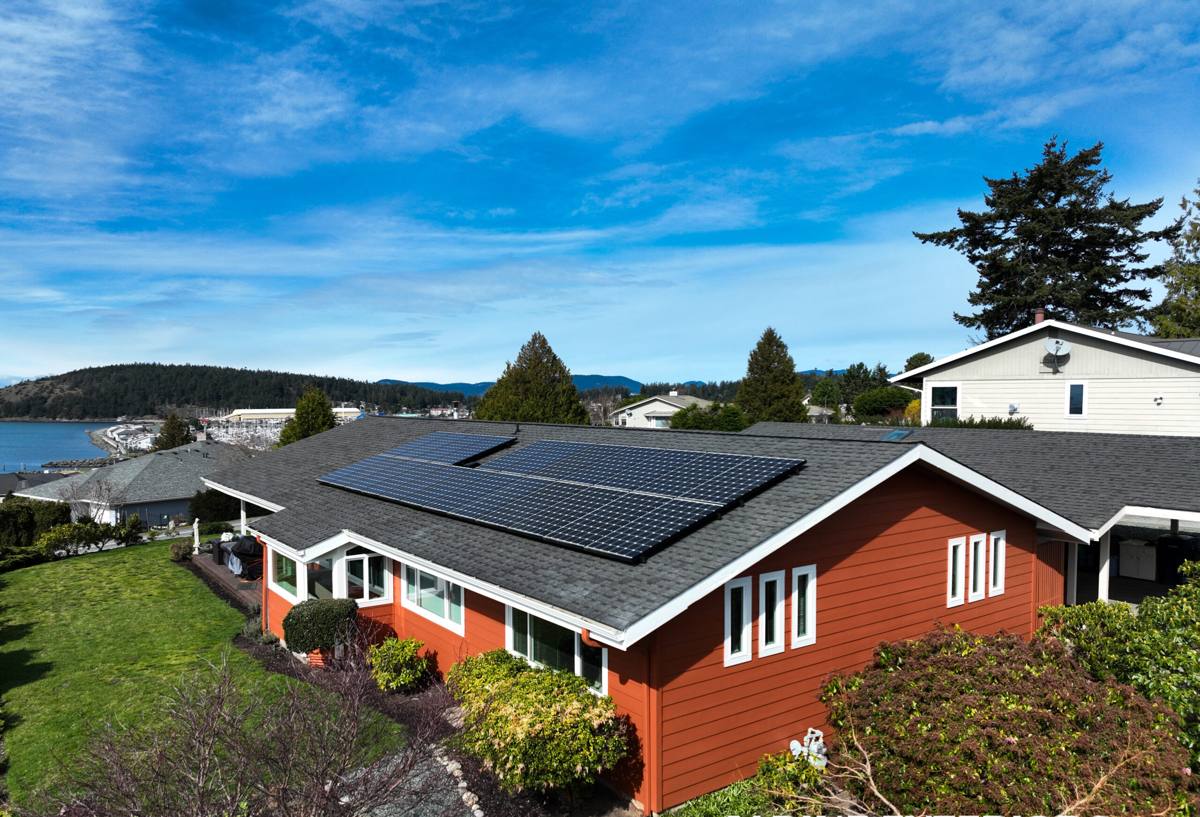
What Local Homes Are Up Against
Salt Air and Slow Corrosion
Even well inland from the water, homes in this part of Whatcom County pick up airborne salt that accelerates corrosion on fasteners, trim, and any siding material that isn't dimensionally stable. Over time, salt exposure can pit metal flashing and fastener heads, and it degrades softer siding materials faster than manufacturers' glossy brochures tend to admit.
Driving Rain, Not Just Rain
Rain that falls straight down is manageable for almost any siding product. Rain that's being pushed sideways by wind — which is common through this stretch of the county — finds every gap, every under-caulked seam, and every place where flashing was skipped to save time. Wind-driven rain is what separates siding installations that last from ones that fail early, and it's almost always a workmanship issue, not a product issue.
Moss, Mildew, and a Long Growing Season
Shaded north walls, tree-lined lots, and the persistent damp common around Acme create ideal conditions for moss and mildew to take hold on siding. Once organic growth gets a foothold, it holds moisture against the wall surface longer, which accelerates any underlying rot or paint failure. Siding that resists moisture absorption at the material level, not just at the paint layer, has a real advantage here.
Why We Only Install James Hardie Fiber Cement
We've made a deliberate decision to install one siding system: James Hardie fiber cement. We don't install vinyl, LP SmartSide, Cemplank, Allura, primed spruce, or cedar. That's not a marketing position — it's a standard we hold because of what we've seen happen to other materials under exactly the conditions Acme-area homes face.
- Non-combustible core — fiber cement doesn't feed a fire the way wood-based products can, which matters for insurance and long-term risk, not just performance.
- Dimensional stability — Hardie board doesn't expand, contract, or cup the way wood-based composites can when they take on repeated moisture cycles, which is exactly what this climate delivers.
- ColorPlus factory finish — a baked-on finish that resists fading and holds up to UV and moisture better than field-applied paint, reducing how often a homeowner needs to repaint.
- HZ5 engineering — Hardie's HZ5 product line is formulated for cold, wet Northern climates like ours, rather than a one-size-fits-all national product.
- Warranty structure — a strong, transferable manufacturer warranty that holds up if the home changes hands, which matters for resale in a market like Lynden's.
We're not going to tell you every other product on the market is worthless — plenty of them have real strengths. Vinyl is inexpensive and low-maintenance in the right setting. Cedar has a natural look some homeowners genuinely prefer. Wood composites can look good going in. But when we weigh moisture behavior, long-term maintenance burden, and how each product actually performs after a decade of Whatcom County weather, fiber cement is what we're willing to put our name behind — and it's the only thing we install.
What a Correct Installation Actually Involves
The siding product is maybe half the equation. The other half is installation detailing that a lot of crews skip because it's slower and less visible once the job is done. In a climate with this much wind-driven rain, these details are the difference between siding that lasts and siding that fails from the inside out.
Weather-Resistive Barrier and Drainage Plane
Every wall gets a proper weather-resistive barrier installed and lapped correctly, shingle-style, so water is directed out and down rather than trapped behind the siding. We use a drainage gap where the wall assembly calls for it, giving any moisture that does get behind the siding a path to escape instead of sitting against the sheathing.
Flashing at Every Penetration
Windows, doors, vents, hose bibs, and light fixtures are all places where water wants to get behind the siding. Each one gets properly integrated flashing — not just a bead of caulk — because caulk is a maintenance item and flashing is a permanent detail.
Correct Fastening and Clearances
James Hardie has specific fastening patterns, nail spacing, and clearance requirements from grade, roof lines, and decks. Skipping these — over-driving nails, fastening too close to panel edges, or leaving siding too close to the ground — voids warranty coverage and invites moisture problems even with the best material in the world.
Caulking and Joint Treatment
Butt joints, corners, and trim intersections get sealed with the right sealant and backer rod where needed, not just a quick pass with a caulk gun. This is one of the fastest steps to rush and one of the most common places we see older siding jobs fail first.
Our Process for Acme-Area Siding Installation
- On-site assessment — we walk the exterior, check the current siding or sheathing condition, and look specifically at moisture exposure, shade patterns, and drainage around the foundation.
- Product and profile selection — we help you choose the right Hardie plank profile, texture, and ColorPlus color for the home's style and the neighborhood's character.
- Written scope and timeline — you get a clear breakdown of what's included: tear-off (if needed), barrier and flashing work, installation, and cleanup.
- Installation to manufacturer spec — fastening, clearances, and flashing detailing are done to James Hardie's published requirements, which keeps the manufacturer warranty intact.
- Final walkthrough — we go over the finished exterior with you before calling the job done.
Cost Factors for a Siding Installation in This Area
| Factor | Why It Affects Cost |
|---|---|
| Tear-off vs. new construction | Removing and disposing of failing existing siding adds labor and dump fees beyond material and install costs. |
| Home size and wall complexity | Dormers, multiple gables, and cut-up wall lines take more time per square foot than a simple rectangular elevation. |
| Sheathing and moisture damage | If moisture has already gotten behind old siding, some sheathing repair is often needed before new siding goes on. |
| Trim and detail package | Corner boards, window trim, and fascia detailing add cost but also add the finished, durable look most homeowners want. |
| Access and site conditions | Steep lots, mature landscaping, or limited equipment access near the home can add labor time. |
Signs Your Acme-Area Home May Need New Siding
- Persistent moss or dark staining that returns shortly after cleaning
- Soft spots, bubbling, or visible warping in wood-based siding
- Paint that's peeling or bubbling rather than just fading
- Gaps opening up at seams, corners, or trim boards
- A musty smell near exterior walls, which can indicate trapped moisture
- Visible rot at the bottom edge of siding near grade
Why a Crew That Already Works This Area Matters
Siding installation isn't a one-size-fits-all trade. A crew that regularly works homes around Acme and greater Lynden already understands how the local weather pattern behaves against a wall — where wind-driven rain tends to hit hardest, which elevations stay shaded and damp longest, and how to detail flashing so it holds up through a real Whatcom County winter, not just a showroom demonstration. That local pattern-recognition shows up in the small decisions made on-site: where to add extra flashing, how tight to run clearances near a deck, which corners need extra attention because of how the property sits relative to prevailing wind and rain.
It also means accountability. A crew based in the area isn't disappearing after the invoice clears — you're a neighbor, and the work has to hold up under the same weather everyone else in the area is dealing with.
Ready to Talk About Your Home?
If your Acme-area home is due for new siding, or you're seeing early signs of moisture or moss trouble, we're happy to take a look and give you a straightforward, no-pressure estimate. Use the form below to get started.