 Lynden Siding
 Asphalt Shingle Roofing for Wiser Lake Homes
Wiser Lake sits just outside downtown Lynden, in the flat, water-heavy stretch of Whatcom County where the landscape shifts quickly between farmland, timber, and low-lying wetland. Homes here deal with a roofing climate that's tougher than it looks on a sunny day: long stretches of steady rain, damp air that never fully dries out, and a moss season that can run most of the year if a roof isn't kept ahead of it. Asphalt shingle roofing remains the most practical choice for the majority of homes in this area — but "asphalt shingles" covers a wide range of products and installation quality, and the difference between a roof that lasts and one that fails early almost always comes down to details most homeowners never see.
This page covers what a Wiser Lake home actually needs from an asphalt shingle roof, what a correct installation looks like, and how we approach the job as a crew that works this specific corner of Whatcom County regularly — not as a one-time stop between bigger jobs elsewhere.
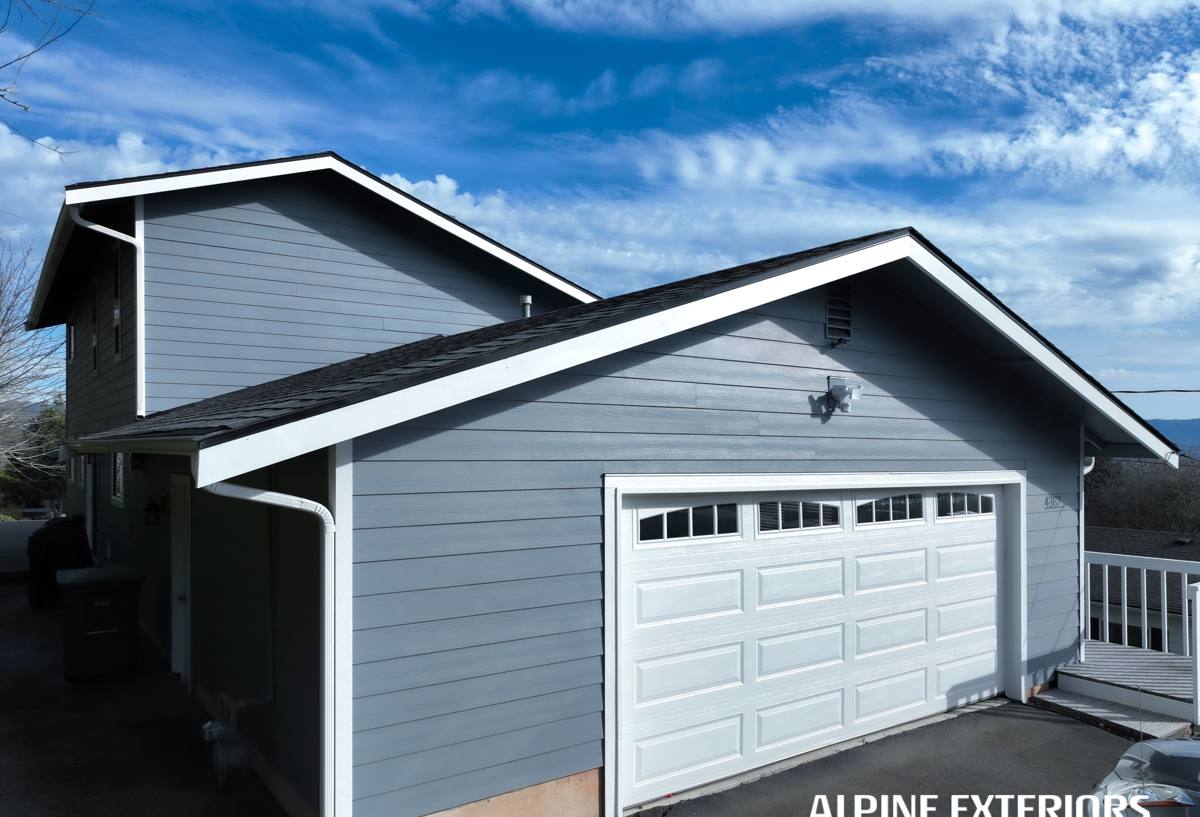
What the Local Climate Does to a Roof
Northwest Washington roofing problems rarely show up as sudden failures. They build slowly, from moisture that has nowhere to go and organic growth that holds it against the shingle surface.
Moss and Organic Growth
The tree cover and consistent moisture around Wiser Lake create ideal conditions for moss, algae, and lichen. Left alone, moss doesn't just sit on top of a shingle — it works into the granule surface, lifts shingle edges, and holds water against the roof deck long after a storm has passed. Over a few seasons that trapped moisture is what actually shortens a roof's life, more than the rain itself.
Driving Rain and Wind
Storms coming off the water push rain sideways as often as straight down. That kind of wind-driven rain finds its way under shingles that are improperly lapped, around flashing that was sealed instead of properly integrated, and through nail patterns that don't match the shingle's exposure requirements. A roof that would hold up fine in a drier climate can leak here within a few years if it wasn't installed with wind-driven rain specifically in mind.
Salt Air and Metal Components
Whatcom County's proximity to Puget Sound and the Strait of Georgia means salt-laden air reaches even inland communities like Wiser Lake on the right weather pattern. Salt air accelerates corrosion on unprotected metal — exposed fasteners, cheap flashing, and uncoated roof vents age faster here than the same materials would inland in a drier state. It's a small factor on its own, but it adds up over the life of a roof, especially at the metal components other roofers tend to treat as an afterthought.
Choosing the Right Shingle for This Area
Not every asphalt shingle product handles sustained moisture and moss pressure the same way. The table below reflects general trade-offs we walk homeowners through — actual product lines and pricing should always be confirmed for your specific roof.
| Shingle Type | Typical Lifespan | Moss/Algae Resistance | Relative Cost |
|---|---|---|---|
| 3-Tab Asphalt | 15-20 years | Standard — benefits from added algae-resistant granules | Budget-friendly |
| Architectural (Laminate) | 25-30 years | Better shadow-line drainage, often available with algae-resistant granules | Mid-range |
| Premium/Designer Architectural | 30+ years, longer warranty options | Best granule adhesion and algae-resistant options | Higher upfront, lower lifetime maintenance |
For most Wiser Lake homes, we recommend architectural shingles with algae-resistant (copper-infused) granules as the baseline, not an upgrade. In a climate where moss pressure is constant, the extra resistance pays for itself in fewer cleanings and a longer effective lifespan. We'll still install a straight 3-tab product on a budget-driven project or a secondary structure — the point is matching the product to what the roof actually has to withstand, not defaulting to whatever is cheapest to buy.
What a Correct Installation Involves
The shingle brand printed on the wrapper matters less than what happens underneath it. Most of the roofs we get called out to repair failed because of shortcuts in the layers homeowners never see, not because the shingle itself wore out.
Ice and Water Shield at Vulnerable Points
Eaves, valleys, and roof-to-wall transitions get a self-adhering waterproof membrane before any shingle goes down. This is the single most important defense against wind-driven rain backing up under the shingle line — it's cheap relative to the total job cost and one of the most commonly skipped steps on lower-bid roofs.
Underlayment Across the Full Deck
A synthetic underlayment across the entire roof deck adds a second water barrier beneath the shingles. In a climate with this much sustained moisture, underlayment isn't a formality — it's what keeps a roof watertight during the years before any small shingle imperfection would otherwise become a leak.
Flashing, Not Just Sealant
Chimneys, skylights, vent pipes, and wall intersections need properly formed and integrated metal flashing — step flashing, counter-flashing, and pipe boots sized correctly for the penetration. Sealant has a place as a finishing detail, but it is not a substitute for flashing that's actually built to shed water. Sealant-only "flashing" is one of the most common causes of the leaks we get called to fix.
Ventilation That Matches the Attic
Balanced intake and exhaust ventilation keeps the attic close to outdoor temperature and controls moisture that would otherwise condense on the underside of the roof deck. In a damp climate, poor ventilation contributes to both premature shingle aging from the inside and the kind of trapped moisture that feeds mold and rot in the attic itself.
Timing Roof Work Around the Weather
Asphalt shingles seal through adhesive strips that need warmth and reasonably dry conditions to bond properly — something to plan around in a climate where extended dry stretches aren't guaranteed. We watch the forecast closely and won't shingle in the middle of a soaking rain, both for safety on a wet roof deck and because a shingle that doesn't get a proper seal is a callback waiting to happen. Most of the year still offers workable windows for a full tear-off and replacement around Wiser Lake; we just don't force the schedule when the weather isn't cooperating, and we'll tell you honestly if a project should wait a few weeks rather than rush it.
Our Process on a Wiser Lake Roof
The steps below are the same order we follow on every asphalt shingle roof in this area, adjusted for the specific pitch, layout, and condition of your home.
- Inspection and Assessment — we look at the existing roof, decking condition, ventilation, and any trouble spots (valleys, chimneys, skylights) before quoting anything.
- Tear-Off and Deck Check — old material comes off down to the deck, and we check the sheathing for soft spots or rot before anything new goes on. Damaged decking gets replaced, not covered over.
- Waterproofing Layers — ice and water shield at eaves and valleys, synthetic underlayment across the full deck.
- Flashing and Penetrations — new flashing at chimneys, walls, and vents; correctly sized boots at every pipe penetration.
- Shingle Installation — installed to the manufacturer's nailing pattern and exposure specs, which is what keeps the warranty valid and the roof wind-rated.
- Ventilation Check — intake and exhaust confirmed balanced for the attic's actual size and layout.
- Cleanup and Walkthrough — magnetic sweep for stray fasteners, full site cleanup, and a walkthrough so you know exactly what was done and what to watch for going forward.
Signs Your Roof Needs Attention
Most roof problems in this area give some warning before they turn into an active leak. Worth checking for, especially after a windy winter storm:
- Visible moss or dark streaking building up on the north-facing or shaded slopes
- Granules collecting in gutters or at downspout outlets
- Shingles that look curled, cupped, or lifted at the edges
- Soft or spongy spots when walking the roof (if it's safe to do so)
- Daylight visible through the attic roof deck
- Water stains or discoloration on interior ceilings, especially near chimneys or valleys
- Rusting or corroded flashing, vents, or exposed fasteners
- Sagging in the roofline when viewed from the street
Maintenance in a Moss-Prone Climate
An asphalt shingle roof in the Wiser Lake area lasts longest with periodic, light maintenance rather than reactive repairs. Soft-washing moss and debris (not high-pressure washing, which strips granules) every couple of years, keeping gutters clear so water isn't backing up under the eave line, and trimming back overhanging branches all reduce the moisture load a roof has to deal with. None of this is expensive or complicated — it just has to actually happen on a schedule, which is easy to let slide until moss has already taken hold.
Why a Local Crew Matters Here
Roofing crews that don't regularly work this part of Whatcom County tend to build to a generic spec — one that may be fine in a drier climate but under-addresses moss, wind-driven rain, and salt air here. A crew that works Wiser Lake and the surrounding Lynden area routinely already knows which details can't be shortcut in this climate, has a track record with local permitting and inspection expectations, and is still around the following year if a warranty question or storm-related issue comes up. That local accountability is worth more than a marginally lower bid from a crew passing through.
If you're weighing a roof replacement or repair on a home near Wiser Lake, we're happy to take a look and give you a straight, no-pressure assessment of what your roof actually needs — no upsell, no scare tactics. Use the form below to request a free estimate.