 Lynden Siding
 Why Bellingham Roofs Wear Out Faster Than Roofs Inland
A roof in Bellingham does more work than a roof fifty miles inland. It sits closer to the Salish Sea, which means salt-laden air moves through on a regular basis and slowly attacks exposed metal — nail heads, flashing, vent stacks, and fastener coatings all take the hit over the years. Add in Whatcom County's long, wet winters, where driving rain comes in sideways off the water for days at a time, and you get a roof that's tested constantly, not just during the occasional storm.
Then there's shade. Bellingham and Lynden both have plenty of mature trees and overcast, damp stretches that can last from October into May. That combination is exactly what moss needs to take hold, and once moss gets established on a roof, it holds moisture against the shingles or shakes far longer than the material was designed to handle. Over years, that shortens the life of almost any roofing material — some more than others.
None of this means a Bellingham roof is doomed to fail early. It means the replacement has to account for these three things — salt air, driving rain, and moss — from the decking up, not just the shingle color at the top.
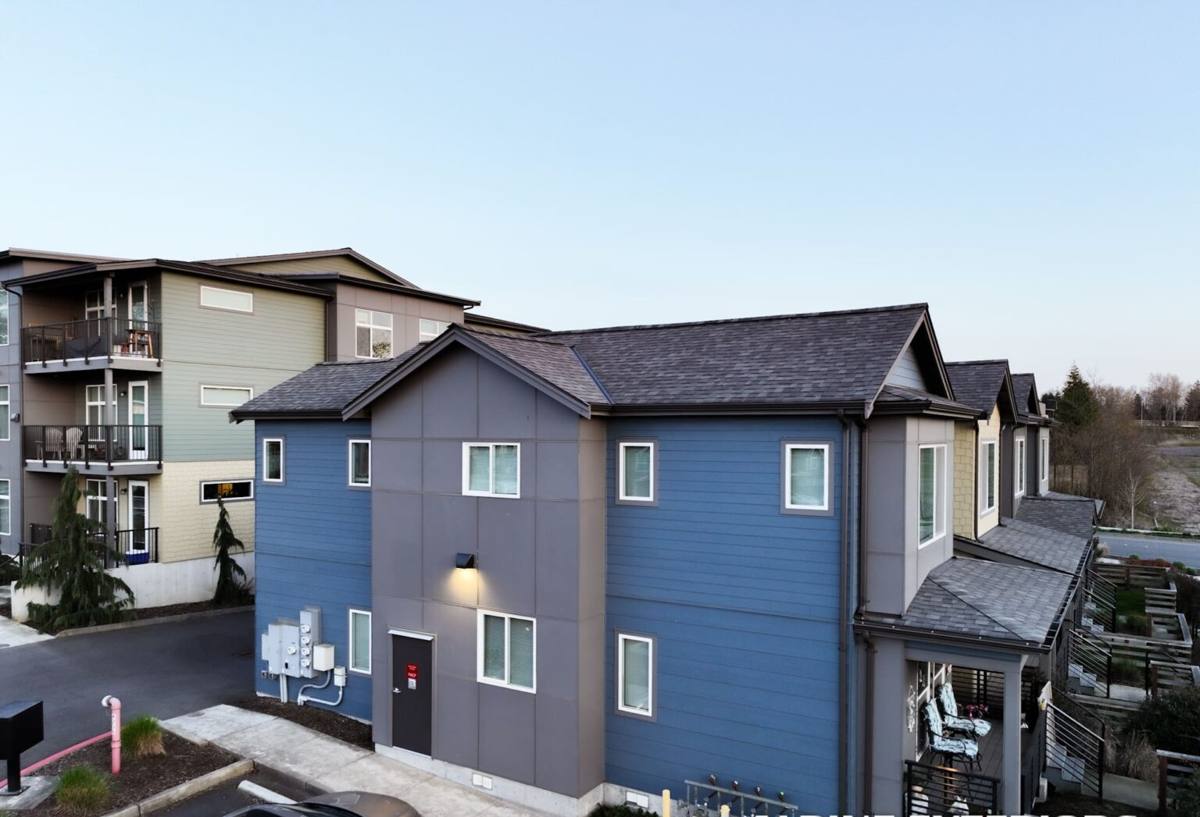
Signs Your Bellingham Roof Needs Replacing, Not Just Patching
Homeowners often ask whether a problem area can be repaired instead of replacing the whole roof. Sometimes it can. But there's a point where patching becomes a losing game — where you're spending money to delay a decision instead of solving the underlying problem. Some signs that point toward full replacement rather than another repair:
- Granule loss heavy enough that you're finding grit in the gutters every season, not just after a new roof's first year
- Moss or algae staining that keeps coming back within a year or two of cleaning, even after treatment
- Soft or spongy decking felt underfoot when walking the roof, which usually means moisture has already gotten past the shingles
- Daylight visible through the roof deck from inside the attic, or water stains on rafters and sheathing
- Multiple layers of old roofing already stacked underneath the current one, which limits repair options and adds weight
- Shingles curling, cracking, or lifting at the edges, especially on slopes that face prevailing wind and rain
If a roof is showing two or more of these at once, a patch usually just buys a season or two before the same money — plus more — has to be spent anyway.
What a Correct Roof Replacement Involves in This Climate
Full tear-off, not a cover-over
Some roofing outfits will offer to lay new shingles over an old layer to save time and cost. In a climate this wet, that's a shortcut we don't take. A full tear-off lets us see the actual condition of the decking underneath — which matters a great deal here, because trapped moisture from years of moss and rain doesn't announce itself until the plywood is already soft.
Decking inspection and repair
Any deck sheathing that's delaminating, soft, or stained gets replaced before a single new shingle goes down. Skipping this step is the single most common reason a "new" roof leaks within a few years — the surface looks fine while the structure underneath is already compromised.
Underlayment built for driving rain
Standard felt underlayment is not enough for a roof that regularly takes rain blown sideways by wind off the water. We use synthetic underlayment across the field of the roof and self-adhering ice-and-water membrane at the vulnerable spots — eaves, valleys, and around any penetration — where wind-driven rain is most likely to work its way under the shingle line.
Flashing that actually sheds water
Chimneys, skylights, sidewalls, and valleys are where most roof leaks start, not the open field of shingles. Correct flashing — properly lapped, sealed, and tied into the underlayment rather than just caulked over old metal — is what keeps water moving off the roof instead of finding a way in.
Ventilation that discourages moss
A roof that breathes properly dries out faster after a storm and holds less standing moisture for moss to take root in. Balanced intake and exhaust ventilation is a small addition during a replacement but makes a real difference in how long the new roof stays clean and how evenly it wears.
Choosing a Roofing Material for Whatcom County Weather
There's no single "best" roofing material — there's a best fit for a given roof, budget, and how much upkeep a homeowner wants to do. Here's how the common options actually perform in a climate with salt air, heavy rain, and shade-driven moss:
| Material | How it handles this climate | Trade-offs to know |
|---|---|---|
| Architectural asphalt shingles | Good rain performance with proper underlayment; algae-resistant granule versions help slow moss and moss staining | Still needs periodic moss removal in shaded areas; shorter lifespan than metal |
| Standing seam metal | Sheds rain and moss very well due to smooth, steep-shedding surface; minimal seams for water to find | Higher upfront cost; needs coated fasteners to resist salt-air corrosion over time |
| Cedar shake | Traditional look that fits many Northwest homes | Highest maintenance burden in a damp, mossy climate — needs regular treatment and inspection or it deteriorates faster than other options |
| Synthetic composite shakes/slate | Mimics traditional looks with better moisture resistance than wood | Mid-to-high cost; quality varies a lot by manufacturer |
For most homes in and around Bellingham, we steer conversations toward algae-resistant architectural asphalt or standing seam metal, simply because both hold up well against the moss-and-rain combination with a manageable amount of upkeep. Cedar shake isn't off the table — some homeowners want that look and are willing to maintain it — but we're honest that it's the higher-maintenance choice here, not a knock on the material itself.
Our Roof Replacement Process
- On-site inspection and honest assessment. We walk the roof and the attic, not just look from the ground, and tell you plainly whether you need a repair or a replacement.
- Written estimate with material options. You get a clear scope of work and pricing before any decision is made — no pressure, no same-day-signature tactics.
- Scheduling around the weather. Roofing in Whatcom County means working around rain windows. We plan tear-off and dry-in to happen the same day whenever the forecast allows.
- Tear-off and decking repair. Old material comes off, decking is inspected, and any damaged sheathing is replaced before moving forward.
- Underlayment, flashing, and ventilation installed. This is the part of the job that doesn't show once the roof is finished, and it's the part that determines whether the roof performs for the next twenty-plus years.
- New roofing installed to manufacturer spec. Correct nailing patterns and exposure matter more than they get credit for — most premature failures trace back to installation shortcuts, not bad material.
- Site cleanup and magnetic sweep for debris. Yards and driveways get cleared of nails and scrap before we consider the job done.
- Final walkthrough. We go over the finished roof with you and answer any questions before wrapping up.
What Affects the Cost of a Bellingham Roof Replacement
Every roof is different, so we don't quote sight-unseen prices — but homeowners deserve to understand what actually drives the number up or down. Broadly, a typical mid-size home in this area can see total replacement costs anywhere from the low five figures to well beyond that, depending on the factors below.
| Cost factor | Why it matters |
|---|---|
| Roof size and pitch | Larger and steeper roofs take more material, more time, and more safety setup |
| Number of existing layers | Removing multiple old layers costs more in labor and disposal than a single-layer tear-off |
| Decking condition | Rot or delamination discovered underneath adds repair cost that isn't known until tear-off |
| Material choice | Asphalt, metal, and shake sit at very different price points, as shown above |
| Roof complexity | Valleys, dormers, chimneys, and skylights all add flashing work and labor time |
| Ventilation upgrades | Adding proper intake/exhaust venting during replacement is far cheaper than retrofitting later |
We break these out in writing so you can see exactly what you're paying for, rather than a single lump number with no explanation behind it.
Living With a Roof in Bellingham: Ongoing Care
A quality replacement is the foundation, but a bit of regular attention stretches its life considerably in this climate. A simple annual routine goes a long way:
- Clear moss growth gently in early spring before it spreads across a full slope — soft washing rather than pressure washing, which can strip granules
- Keep gutters clear so rain has somewhere to go instead of backing up under the shingle edge
- Trim back overhanging branches to cut down on shade and debris buildup, both of which feed moss
- Have flashing points checked every couple of years, since that's where most leaks eventually start
- Watch the attic after heavy rain events for any sign of moisture, especially in the first year after a new roof goes on
None of this requires a professional visit every time, but a quick seasonal check catches small issues before they turn into deck repairs.
Why It Matters to Hire a Crew That Already Works Bellingham
Roofing crews that mostly work drier, inland climates sometimes apply the same specs everywhere — the same underlayment, the same ventilation approach, the same material recommendations, regardless of whether the roof faces salt air off the bay or sits shaded under fir trees most of the year. That approach isn't wrong everywhere, but it isn't tailored to what a Bellingham or Lynden roof actually deals with year-round.
Being based in Lynden means we're already working throughout Whatcom County on a regular basis — we see how roofs in this area age, which details tend to fail first, and which ones hold up. That's not a marketing point; it's the reason our specs lean toward marine-grade fasteners, upgraded underlayment at vulnerable points, and ventilation that accounts for moss, rather than a generic national playbook.
Get a Straightforward Roof Replacement Estimate
If your roof is showing its age or you just want an honest opinion on whether repair or replacement makes more sense, we're glad to take a look. Estimates are free, there's no pressure to sign anything on the spot, and you'll get a plain-English explanation of what we find. Fill out the form below to get started.