 Lynden Siding
 Storm Damage Roof Repair Built for Bellingham's Marine Climate
Homes in and around Bellingham sit close enough to the water that the roof over your head deals with a different mix of problems than a house fifty miles inland. Salt-laden air off the bay accelerates corrosion on fasteners, flashing, and exposed metal. Driving rain — the kind that comes in sideways during a winter blow — finds every weak seam instead of just running off a slope. And the long, wet moss season that stretches from fall through spring keeps organic growth working at your shingles almost year-round. When a storm hits, it rarely creates damage out of nothing; it usually exposes and worsens problems that marine weather has already been building for months.
That's the mindset we bring to storm damage repair calls in Bellingham: we're not just patching the spot that's leaking, we're looking at what the climate did to get the roof to that point.
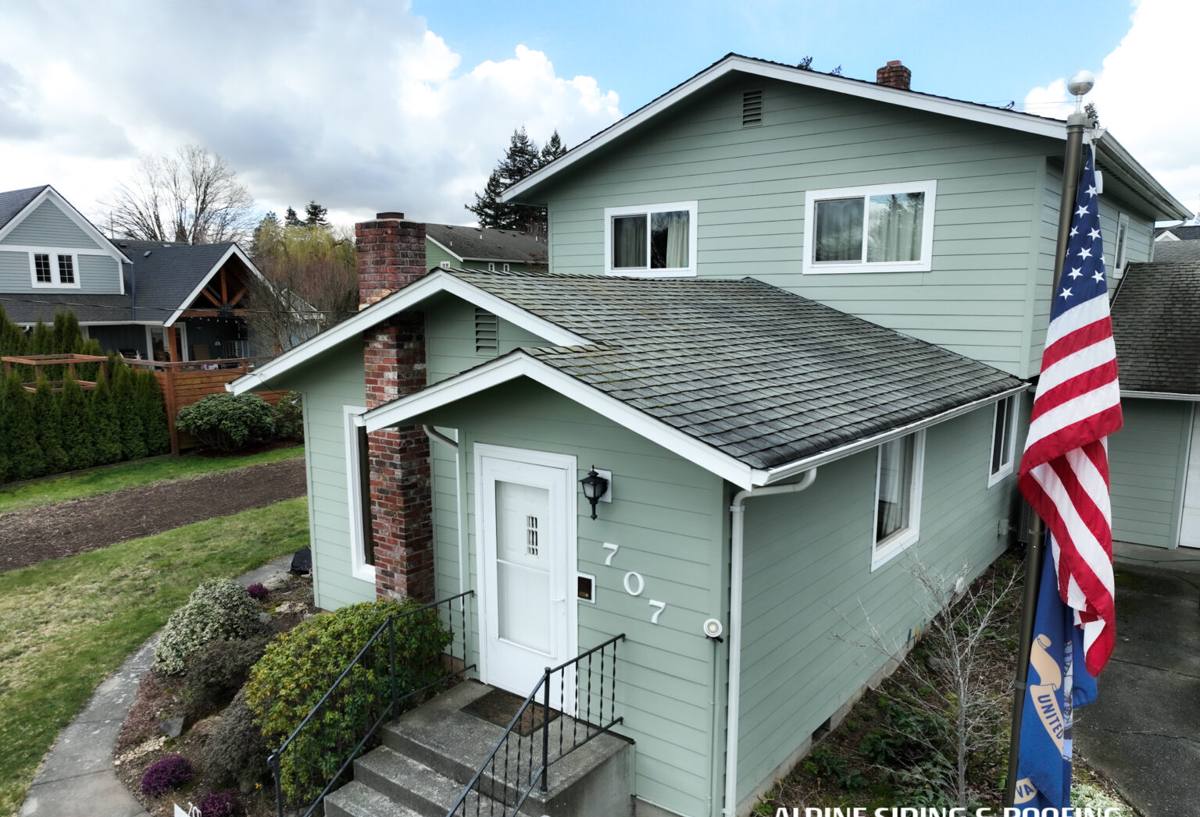
What Actually Counts as Storm Damage Here
Storm damage isn't always a dramatic hole in the roof. In this part of Whatcom County, it more often shows up as a combination of smaller failures that add up:
- Wind-lifted or creased shingles along ridges and edges, where gusts get the most leverage
- Wind-driven rain forced up and under shingle tabs or flashing during sustained storms, rather than simple overhead leaks
- Broken or torn flashing around chimneys, vents, and skylights, where sealant has already been softened by years of damp exposure
- Fallen branches or limb strikes from mature trees, which are common on larger Bellingham-area lots
- Granule loss and accelerated wear on slopes already carrying heavy moss or algae growth, which weakens shingles before wind ever touches them
- Clogged or overwhelmed gutters that back water up under the roof edge during heavy downpours
The tricky part is that several of these can look like "just a leak" from inside the house, when the real cause is wind and moisture working together over time. That's why a proper storm inspection covers more than the spot where water showed up on your ceiling.
What a Correct Storm Repair Actually Involves
A rushed storm repair — a few new shingles and a bead of caulk — can look fine for a season and then fail again in the next heavy rain. A correct repair addresses the whole assembly, not just the visible surface layer.
Matching Materials, Not Just Covering Gaps
Replacement shingles need to match the existing product's profile and weight as closely as possible, and they need to be properly woven into surrounding courses rather than face-nailed on top. Mismatched or poorly integrated repairs are one of the most common causes of repeat leaks we find on older storm-damaged roofs.
Flashing and Underlayment Come First
If flashing around a chimney, vent, or valley has failed, replacing shingles without addressing the flashing underneath just resets the clock on the same leak. In our marine climate, we also check underlayment condition wherever we open up a section — years of dampness can leave it brittle even if the shingles above look serviceable.
Decking Inspection
Any time water has been getting through for a while, the plywood or OSB decking underneath needs to be checked for soft spots, delamination, or rot. Nailing new shingles over compromised decking is a short-term fix that fails again quickly.
Ventilation Isn't Optional
Storm repairs are also a good moment to check attic ventilation. Poor airflow traps moisture, which accelerates the moss and algae growth that's already a problem on shaded, damp roofs throughout this region, and it can void shingle warranties regardless of how well the repair itself was done.
Our Bellingham Storm Repair Process
- Initial contact and triage. We ask about when the damage occurred, whether there's active leaking, and whether emergency tarping is needed before a full inspection.
- On-site inspection. We walk the roof (weather permitting) and check the interior for water paths, since storm-driven leaks often travel along rafters before showing up on a ceiling.
- Documentation. We photograph damage clearly enough to support an insurance claim, including areas that show wind pattern, impact, or water intrusion.
- Written scope and estimate. You get a clear explanation of what's damaged, what needs replacing versus repairing, and a straightforward cost range before any work starts.
- Repair. We match materials, correct flashing and underlayment as needed, and confirm decking is sound before closing the roof back up.
- Cleanup and final check. Debris removal, a magnetic sweep for nails, and a final walk-through so you know exactly what was done.
Insurance Claims — What Bellingham Homeowners Should Know
Most storm-related roof claims come down to proving that damage was sudden and weather-caused, rather than gradual wear. That distinction matters because insurers often draw a hard line between the two, and a roof that's already compromised by years of moss and moisture can make that line blurry.
We're not a public adjuster and we don't handle your claim for you, but we do provide the kind of documentation — photos, a written description of the damage, and an honest assessment of cause — that adjusters need to evaluate a claim fairly. If your policy requires an estimate from a licensed contractor before the insurer will schedule their own inspection, we can provide that as a starting point.
A Few Honest Notes on Claims
- Gradual moss and algae damage is typically treated differently than sudden wind or impact damage — get a roof assessed before storm season if it's already showing wear
- Photographing damage yourself right after a storm, before any cleanup, helps support a claim
- Emergency tarping to stop active leaks is usually reimbursable and worth doing immediately rather than waiting on claim approval
Cost Factors for Storm Damage Roof Repair
Every storm repair is different, but the table below covers the main variables that move the price up or down. We give firm numbers only after an on-site look — anything else would be a guess.
| Factor | Why It Matters |
|---|---|
| Extent of shingle damage | A handful of lifted shingles costs far less than a full slope needing replacement |
| Flashing condition | Failed flashing around chimneys or valleys adds labor and material beyond the shingles themselves |
| Decking condition | Soft or rotted decking found underneath damaged shingles requires replacement before re-roofing that section |
| Roof pitch and access | Steeper roofs and difficult access (tall trees, tight lot lines) take longer and require more safety setup |
| Age and existing moss/algae load | Older roofs with heavy growth often need more surrounding shingles addressed, not just the storm-damaged spot |
| Material matching availability | Discontinued or older shingle lines can be harder to match, sometimes requiring a slightly larger repair area for a consistent look |
After the Storm: What to Check Before You Call Anyone
- Look for water stains, sagging, or new drips on ceilings and in the attic, especially near chimneys and skylights
- Check gutters and downspouts for debris that could be backing water up onto the roof edge
- Note any missing or visibly displaced shingles you can see safely from the ground
- Photograph anything unusual before cleaning up branches or debris, in case you need it for a claim
- Avoid climbing onto the roof yourself after a storm — wet, wind-loosened shingles are not safe footing
Preventing the Next Round of Damage
Because Whatcom County's wet season runs long, roofs here rarely get a real chance to dry out between rain events. That's what makes moss and algae such a persistent problem, and it's also what makes routine maintenance more valuable here than in drier climates.
Moss and Algae Management
Moss holds moisture against the shingle surface and works its way under tabs over time, weakening the seal that keeps wind-driven rain out. Regular removal and treatment, done carefully so it doesn't strip granules, extends the life of a roof that's already dealing with our climate.
Gutter and Drainage Upkeep
Clogged gutters during a heavy storm push water back under the roof edge instead of away from the house. Keeping gutters clear going into fall and winter storm season is one of the simplest ways to prevent water intrusion at the eaves.
Attic Ventilation and Insulation
Proper airflow keeps the underside of the decking drier, which slows both rot and the conditions that feed moss growth from below. It's an easy thing to overlook because it's invisible from the ground, but it affects how well a roof holds up through repeated storms.
Why a Local Lynden-Based Crew Matters for Bellingham Homes
Storm damage repair isn't just a technical job — it benefits from knowing the area. A crew that regularly works Bellingham and the surrounding Whatcom County communities has a feel for which roof styles and ages are common locally, how our storm patterns tend to hit (which slopes take the worst of driving rain, which tree cover creates the most limb-strike risk), and how quickly conditions can change between an initial call and the actual repair day.
Being based in Lynden also means we're not traveling in from out of the region after a regional storm event, when demand for roofers spikes and response times stretch out. Local availability matters most exactly when you need it most — right after the weather that caused the damage in the first place.
If you've got storm damage, a suspicious leak, or just want an honest look at how your roof is holding up after another wet Whatcom County season, we're glad to come take a look. The estimate is free and there's no pressure to move forward — just a straight answer about what's going on and what it would take to fix it right. You can request one using the form below.