 Lynden Siding
 Birch Bay Roofs Take a Different Kind of Beating
Birch Bay sits right on the water, and that changes what a roof has to survive year after year. A roof a few miles inland in Lynden deals with Whatcom County's normal wet-winter routine. A roof in Birch Bay deals with all of that plus salt-laden air coming off the water, wind-driven rain that hits shingles sideways instead of straight down, and shaded, damp microclimates that never fully dry out between storms. None of that is exotic or rare — it's just the trade-off of coastal living — but it means a roof installed with inland assumptions tends to disappoint a Birch Bay homeowner years before it should.
We're based in Lynden and we've done enough roofs out toward the water to know the difference matters. This page covers what a correct new roof installation looks like for a Birch Bay home specifically, not a generic write-up of "how roofing works."
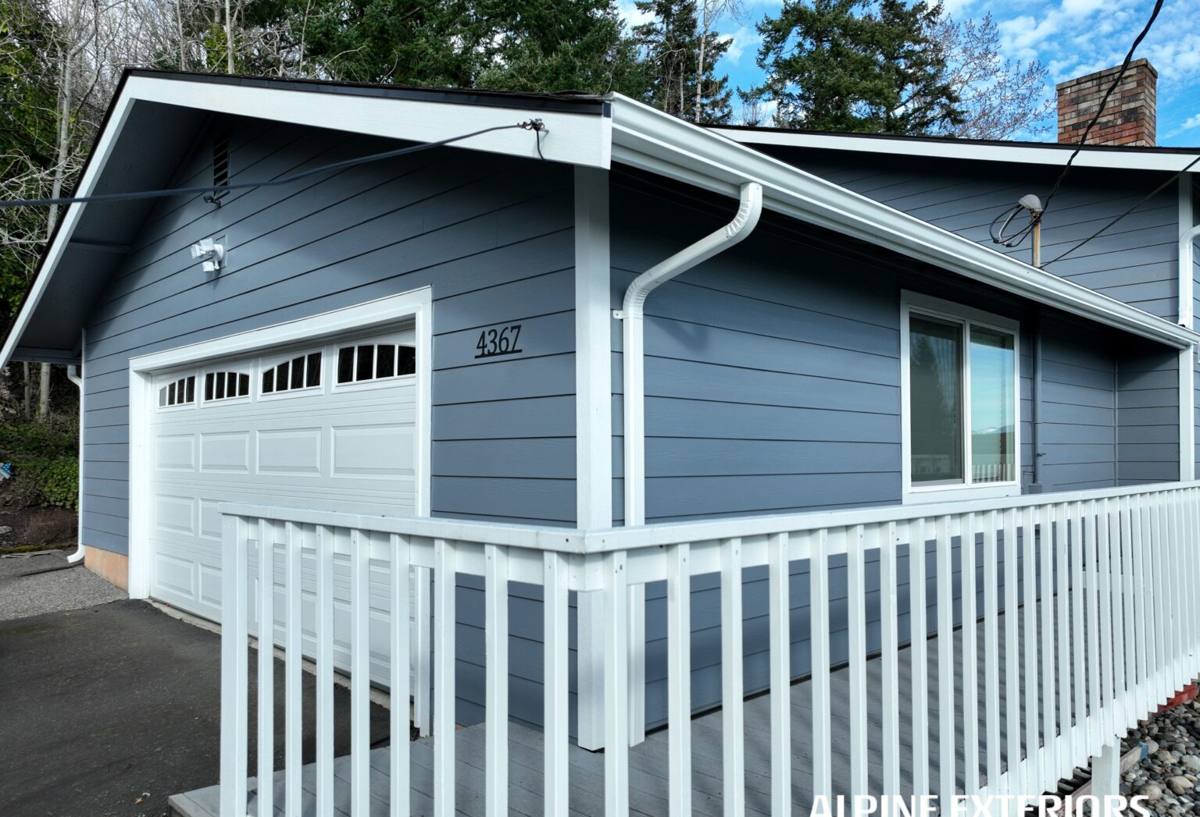
What Salt Air, Driving Rain, and Moss Actually Do to a Roof
Salt Air and Metal Components
Airborne salt is corrosive to exposed metal — flashing, fasteners, vents, gutters, and any exposed edge trim. Standard fasteners and coatings that hold up fine a few miles inland can start showing rust streaks and pitting years earlier this close to the water. This doesn't mean metal roofing or metal flashing is off the table; it means the specific alloys, coatings, and fastener grades matter more here than they do on a typical Lynden job, and cutting that corner is where premature roof failures usually start.
Wind-Driven Rain
Rain that comes in at an angle finds every weak point a straight-down rain would never reach — under-driven nail heads, marginal flashing laps, and shingle edges that aren't sealed down tight. Birch Bay's exposure to wind off the water means water intrusion problems here are more often a sideways-and-upward problem than a straight leak, which is exactly why flashing detail and fastening pattern matter as much as the shingle itself.
The Long Moss Season
Western Whatcom County already runs a long wet season, and shaded, north-facing, or tree-covered sections of a Birch Bay roof can stay damp for weeks at a stretch. That's the environment moss and algae need. Moss isn't just cosmetic — it holds moisture against the roofing material, lifts shingle edges as it grows, and shortens the useful life of a roof that would otherwise perform fine. A new roof installed without accounting for this will start showing growth again within a few seasons, especially on the shaded slopes.
What a Correct New Roof Installation Actually Involves
"New roof" gets used loosely. A correct installation is a system, not a single product, and every layer below the shingle matters as much as the shingle on top.
Tear-Off and Deck Inspection
We remove the old roofing down to the deck rather than installing over it. That's the only way to actually see the condition of the sheathing — soft spots, delaminated plywood, or old water staining that tells us where a past leak was happening. On a coastal property, deck condition around chimneys, vents, and valleys deserves extra attention, since those are the spots wind-driven rain finds first.
Underlayment and Water Barrier
The underlayment is the roof's real waterproofing layer — the shingle mainly sheds water and takes UV exposure. For a Birch Bay home we lean toward synthetic underlayment with added ice-and-water membrane at eaves, valleys, and any low-slope transitions, since those are the areas most exposed to wind-driven rain finding a way underneath the shingle course.
Flashing Details
Flashing around chimneys, skylights, sidewalls, and valleys is where most roof leaks actually start, not in the open field of shingles. We use new flashing rather than reusing old pieces, and we pay particular attention to metal type and coating given the salt exposure this close to the water.
Fasteners and Attachment
Fastener type, length, and placement affect both wind performance and long-term corrosion resistance. Under-driven or over-driven nails are one of the most common causes of early shingle failure, and it's a detail that's invisible once the roof is finished — which is exactly why it's worth asking your contractor about directly.
Choosing a Roofing Material for a Birch Bay Property
There's no single "correct" material for every home — it depends on your roof's slope, shade exposure, budget, and how long you plan to own the property. Here's how the common options compare for a coastal Whatcom County home specifically.
| Material | Typical Lifespan | Coastal/Salt-Air Performance | Moss Resistance | Relative Cost |
|---|---|---|---|---|
| Architectural asphalt shingle | 25–30 years | Good, with corrosion-rated flashing and fasteners | Moderate — benefits from algae-resistant granules | Lower–Moderate |
| 3-tab asphalt shingle | 15–20 years | Fair — lighter material, more exposed edges | Lower | Lowest |
| Standing seam metal | 40–50+ years | Very good, if coating/alloy is spec'd for coastal use | High — moss struggles to hold on a smooth metal surface | Higher |
| Synthetic composite shingle | 30–50 years | Good — resistant to moisture absorption | Moderate–High | Moderate–Higher |
The lifespan ranges above assume correct installation. A premium material installed with weak flashing or the wrong fastener will underperform a mid-range material installed correctly — the installation is usually the bigger variable than the shingle brand.
Ventilation: The Step Homeowners Rarely Think About
A roof needs balanced intake and exhaust ventilation to let moisture escape the attic space. Without it, warm moist air condenses against the underside of the deck, which rots sheathing from below and creates the exact damp conditions that encourage moss and algae to take hold from the inside out. On a Birch Bay home already dealing with a lot of ambient moisture, ventilation isn't optional — it's part of what protects the investment you're making in the new roof itself. We check and correct intake and exhaust balance as part of every installation, not as an upsell.
How Our Installation Process Works
- On-site inspection and measurement — we look at slope, shade exposure, existing ventilation, and any signs of past water intrusion before quoting anything.
- Written estimate — materials, scope, and timeline spelled out, with the reasoning behind any coastal-specific choices explained plainly.
- Material delivery and site protection — landscaping, siding, and gutters protected before tear-off begins.
- Full tear-off and deck inspection — any damaged sheathing identified and addressed before new material goes down.
- Underlayment, flashing, and ventilation installation — the layers that determine how the roof performs in wind-driven rain and long wet stretches.
- Shingle or panel installation — installed to manufacturer specification and to the fastening standards appropriate for a coastal-exposed property.
- Final walkthrough and cleanup — site cleared, magnetic sweep for stray nails, and a walk-through so you know exactly what was done and why.
Moss Season Maintenance Checklist
A correctly installed roof still benefits from basic seasonal upkeep in this climate. This is worth doing yourself or having checked annually, especially on shaded slopes:
- Clear gutters and downspouts before the fall rains start, so water isn't backing up under the shingle edge
- Look for moss or dark streaking on north-facing or tree-shaded slopes each spring
- Trim back branches that keep a section of roof shaded and damp longer than the rest
- Check flashing around chimneys and vents visually from the ground after any major windstorm
- Avoid pressure washing the roof surface — it can strip granules and force water under the shingles
- Have a roof inspected before it's showing obvious problems, not after
Why It Matters That This Crew Already Works Birch Bay
A roofing crew that mostly works inland can still do competent general roofing work, but coastal installations reward specific experience: knowing which flashing metals hold up against salt exposure, where wind-driven rain actually finds its way in on a bay-facing slope, and which shaded sections of a Birch Bay roof will need moss-resistant treatment versus which won't. We're a Lynden-based crew, and we treat a Birch Bay roof as a coastal job from the first estimate — not a standard inland install with the address changed.
Get a Straight Answer on Your Roof
If your roof is showing granule loss, moss buildup, curling edges, or you're just planning ahead before it becomes an emergency, we're glad to take a look. We'll give you an honest read on whether you're looking at a repair or a full replacement, walk through material options that make sense for a Birch Bay property, and put together a written estimate with no pressure attached. Use the form below to request your free estimate.