 Lynden Siding
 Roof Repair Built for Deming's Weather, Not a Generic Checklist
Deming sits inland from the Sound but that doesn't spare its roofs from Whatcom County's marine climate. Storms roll in off the water and dump driving, wind-pushed rain for days at a stretch, salt-laden air works its way into the foothills more than most homeowners expect, and the shade from surrounding timber keeps roof surfaces damp long after a storm has passed. Add a moss season that can run nine or ten months out of the year, and you have a climate that is genuinely hard on shingles, flashing, and fasteners. A roof repair here isn't the same job as a roof repair in a dry inland climate, and treating it that way is how small leaks turn into rot.
This page is about one job, done right, in one area: roof repair for homes in and around Deming, from a crew based in Lynden that already works this part of Whatcom County.
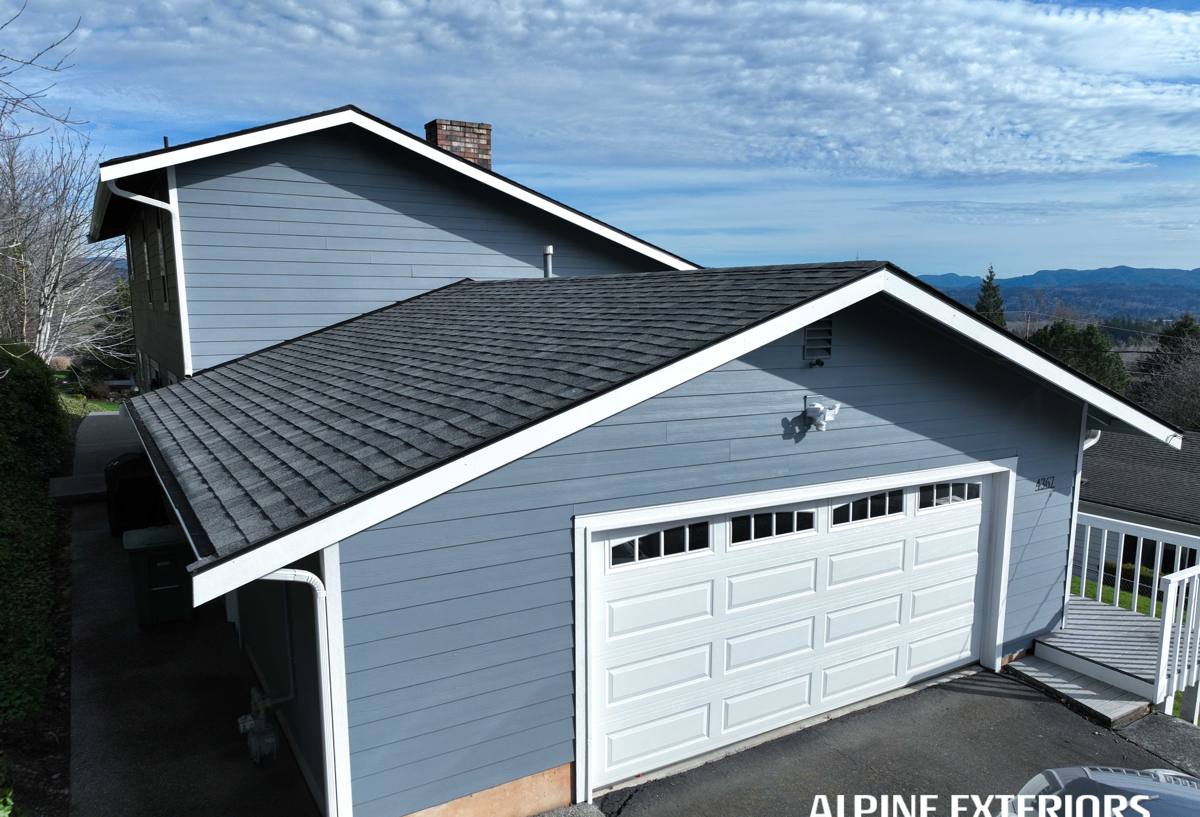
What Deming Roofs Are Actually Up Against
Driving Rain and Wind-Driven Water
Pacific storms coming through this part of Washington rarely fall straight down. Wind pushes rain sideways under shingle tabs, into open flashing seams, and up under ridge caps that were never sealed correctly the first time. A roof that would shed water fine in a calm rain can still leak in a Whatcom County windstorm if the details weren't built for it.
Salt Air and Corrosion
Even away from the immediate shoreline, moisture-laden marine air carries salt content that accelerates corrosion on exposed metal — nail heads, flashing, gutter fasteners, and any exposed metal roofing panels. Galvanized fasteners that would last decades in a dry climate can start rusting and backing out years earlier here, which is one of the most common hidden causes of a slow roof leak.
Shade, Moisture, and a Long Moss Season
Tree cover keeps homes cooler in summer, but it also keeps roof surfaces from drying out between rain events. That constant low-level dampness is exactly what moss, algae, and lichen need to establish. Left alone, moss roots work under shingle edges, lift tabs, and hold water against the roof deck — turning a cosmetic problem into a structural one.
Common Roof Repair Issues We See in This Area
- Wind-lifted or cracked shingle tabs along ridgelines and roof edges, the first place wind-driven rain finds an opening
- Failed or rusted flashing around chimneys, skylights, and roof-to-wall transitions — a top cause of interior water stains
- Moss and algae growth that has lifted shingles or is holding moisture against the roof deck
- Clogged or sagging gutters that back water up under the drip edge instead of carrying it away
- Soft or spongy decking found during a repair, usually the result of a slow leak that went unnoticed for a season or more
- Nail pops and backed-out fasteners from corrosion or seasonal wood movement
- Pipe boot and vent seal failures — rubber boots around plumbing vents are one of the shortest-lived components on any roof
How We Approach a Roof Repair Job
A roof repair is only as good as the diagnosis behind it. Patching the spot where water is dripping inside the house often just moves the problem — water travels along rafters and decking before it shows up on a ceiling, so the visible stain and the actual entry point can be several feet apart.
1. Full Roof Assessment, Not Just the Trouble Spot
We look at the whole roof plane, not just the reported leak: flashing details, valleys, penetrations, gutter condition, and the general state of the shingles or roofing material. Deming's tree cover means we're also checking for moss and organic debris buildup on the way up.
2. Find the Actual Entry Point
Working from the attic side when possible, and from the roof surface itself, we trace water staining and decking condition back to where moisture is actually getting in — not just where it's showing up inside.
3. Explain What We Find, in Plain Terms
Before any repair work starts, you get a straight explanation of what's wrong, what caused it, and what the repair involves. If a section of decking is soft, we tell you that up front rather than covering it and hoping.
4. Repair to Match the Existing Roof
Matching shingle color, profile, and exposure on a repair matters both for appearance and for proper water shedding — a mismatched patch can actually create a new leak point if it's not tied into the surrounding courses correctly.
5. Address the Cause, Not Just the Symptom
If moss or poor attic ventilation contributed to the failure, we'll tell you that too, along with what it would take to keep the same repair from being needed again in a couple of years.
Repair Materials and Methods
Whatcom County homes mix roofing types more than people expect — older asphalt composition roofs, standing-seam metal, and some cedar shake still in service. Each requires a different repair approach.
| Roof Type | Typical Repair Needs | Local Climate Consideration |
|---|---|---|
| Asphalt composition shingle | Tab replacement, flashing resealing, moss removal | Most vulnerable to wind lift and moss root damage |
| Standing-seam metal | Fastener and seam resealing, panel repair, rust treatment at cut edges | Sheds moss well but fasteners and cut edges are corrosion points |
| Cedar shake | Individual shake replacement, moss and moisture management | Needs airflow underneath; shaded, damp settings shorten lifespan |
| Flashing and penetrations (any roof type) | Resealing, replacement of failed boots and step flashing | Usually the first failure point in wind-driven rain |
We use materials rated for this climate and fasteners with corrosion resistance suited to marine-influenced air, not whatever happens to be cheapest at the moment. A repair done with the wrong fastener or an unsealed flashing detail may look fine for a season before it fails again.
Moss, Algae, and Organic Growth: Prevention Along With Repair
Removing moss is only half the job — if the conditions that let it grow aren't addressed, it comes back. As part of a roof repair, we look at tree overhang, gutter drainage, and how much of the roof stays shaded through the day.
Moss Prevention Checklist for Deming Homes
- Keep overhanging branches trimmed back so roof surfaces get more light and airflow
- Clear gutters and valleys of needles and debris at least twice a year, more often under heavy tree cover
- Remove moss growth promptly rather than letting it establish and root under shingle edges
- Check attic ventilation — poor airflow keeps roof decking damp from underneath as well as above
- Have flashing and pipe boots inspected during moss removal, since both jobs often reveal the same underlying moisture issues
We're careful about how moss is removed. Aggressive pressure washing can strip granules off asphalt shingles and shorten their life faster than the moss itself would have — we use methods that clear growth without damaging the roofing material underneath.
Repair or Replace? How We Help You Decide
Not every roof problem calls for a full replacement, and not every leak should be patched indefinitely. The honest answer depends on the roof's age, how much of it is affected, and what a repair would actually be able to fix.
| Factor | Leans Toward Repair | Leans Toward Replacement |
|---|---|---|
| Roof age | Well within expected service life | Near or past the material's typical lifespan |
| Extent of damage | Isolated to one section or detail | Multiple areas failing or widespread granule loss |
| Decking condition | Solid, no soft spots found | Soft or rotted decking discovered during inspection |
| Repair history | First or infrequent repair needed | Same area has needed repeated repairs |
| Cost relative to replacement | Repair cost is a modest fraction of full replacement | Repair cost starts approaching a meaningful share of replacement cost |
We'll always give you our honest read on which side of that line your roof falls on. A repair that buys a homeowner several more good years is money well spent; a repair on a roof that's genuinely at the end of its service life just delays a decision without solving the underlying problem.
Why a Lynden-Based Crew Matters for Deming Homes
Roof repair is detail work, and the details that matter here are specific to this climate. A crew that primarily works drier regions may not think twice about a fastener spec or a flashing detail that's perfectly fine somewhere else but undersized for Whatcom County wind and rain. Working this area regularly means we've seen how local roofs actually fail over time — not just how they're built on paper.
Being based in Lynden also means we're not driving in from out of the area for a follow-up visit, a warranty check, or a question that comes up after the work is done. That matters more with roof repairs than almost any other exterior work, because a roof repair that looks fine on a dry day sometimes doesn't get tested until the next real storm.
What to Expect When You Book a Repair
- We schedule a roof assessment and walk the roof and attic space where accessible
- You get a plain-language explanation of what's causing the issue and what it will take to fix it
- We provide a written estimate before any work begins — no surprise scope changes
- Repair work is scheduled around weather windows, since roofing work needs a dry surface to do properly
- We walk you through what was done and what to watch for afterward
Simple Maintenance That Extends the Life of a Repair
A good repair lasts longer when it's not fighting the same conditions that caused the original problem. A few habits make a real difference on Deming roofs specifically:
- Inspect the roof from the ground after major windstorms for lifted or missing shingles
- Keep gutters and downspouts clear year-round, not just in fall
- Address small moss patches while they're still small
- Have flashing and pipe boots checked every couple of years, since these fail well before the shingles themselves usually do
- Don't ignore a small ceiling stain — trace it early, before it becomes a decking repair
If you're dealing with a leak, moss buildup, or storm damage on a roof in the Deming area, we're glad to take a look and give you a straight assessment — no pressure, no upsell, just an honest read on what your roof actually needs. Use the form below to request a free estimate.