 Lynden Siding
 Windows Built for Deming's Foothill Climate
Deming sits up the Nooksack River valley, tucked under heavy tree cover on the way toward Mt. Baker. That location changes what a window has to deal with compared to a house closer to the water. You get less direct salt air out here than homes near Bellingham Bay, but you make up for it with something just as hard on windows over time: shade, humidity, and rain that doesn't let up. Tree canopy keeps roofs and siding damp longer after a storm, and that same moisture works its way into window trim, sills, and any gap in the seal around the frame.
Add in Whatcom County's long wet season and the moss and algae growth that comes with it, and you've got a climate that's tough on window installations that were done fast or done wrong. A window that's flashed and sealed correctly will shrug this off for decades. One that isn't will show it early — soft trim, foggy glass, drafts, and paint that won't hold.
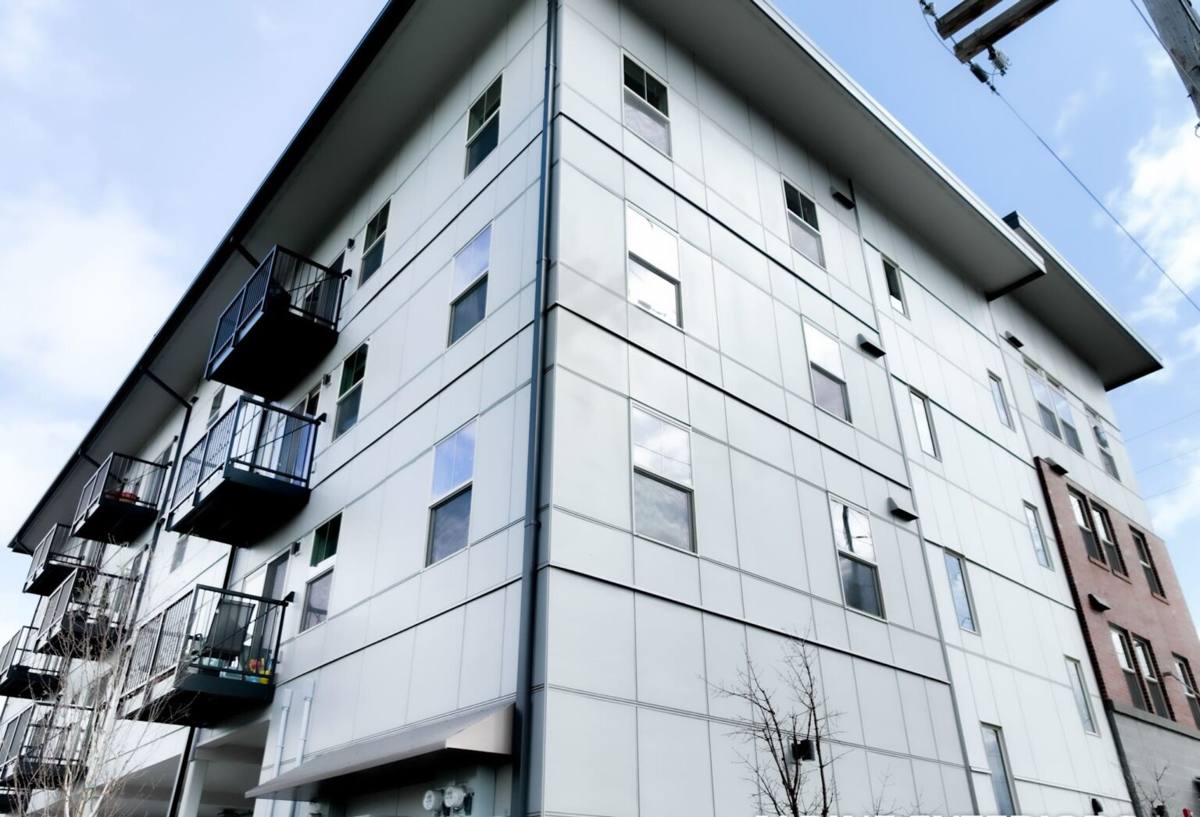
How This Climate Shows Up in Deming Windows
We see the same patterns on Deming homes again and again, and almost all of them trace back to moisture management rather than the window unit itself:
- Wood trim and sills that stay damp under tree shade and start to soften or rot at the corners
- Moss and algae building up on window sills, tracks, and exterior trim where sun rarely reaches
- Condensation between panes — a sign the seal on an older double-pane unit has failed
- Drafts around the frame from caulk or flashing that was never installed correctly to begin with
- Paint or stain failing early on wood-clad windows exposed to constant damp shade
- Swollen or sticking sashes on older wood windows that have absorbed moisture over years
None of these are unusual for a wooded, rural stretch of Whatcom County. They're predictable, and a correct installation plans for them instead of reacting to them ten years later.
What a Correct Window Installation Actually Involves
Window installation gets treated like a simple swap — pull the old one, drop in the new one, caulk the edges. That approach might look fine for a year or two. In a damp, shaded valley climate it fails early, usually from the inside out where you can't see it until the trim is soft or the wall behind it is stained.
Flashing Comes First
The window itself is almost never where a leak starts. It's the flashing — the layered barrier of house wrap, flashing tape, and sill pan that directs water up and out instead of letting it track down into the wall cavity. We install a proper sill pan under every window, lap the house wrap and flashing tape in the correct shingle order, and integrate the window into the existing weather-resistive barrier rather than just caulking around the outside and calling it done.
Sealing and Insulating the Gap
Between the window frame and the rough opening there's a gap that has to be sealed and insulated without restricting the window's ability to expand and contract with temperature swings. Low-expansion foam or backer rod and sealant, applied correctly, closes that gap without bowing the frame — a real risk with careless foam use that causes sashes to bind.
Level, Plumb, and Square
A window that's out of square will bind, won't lock properly, and will wear its weatherstripping unevenly. We shim and check every unit on all sides before it's fastened, not just eyeballed from the interior.
Insert vs. Full-Frame Replacement
One of the first decisions on a Deming replacement project is whether the existing frame is sound enough to build into, or whether it needs to come out entirely. This matters more here than in a dry climate, because a frame that's held moisture for years may look fine on the surface and be compromised underneath.
| Method | Best For | Trade-offs |
|---|---|---|
| Insert (pocket) replacement | Sound existing frame, no rot or water damage, budget-conscious projects | Faster and less disruptive, but any hidden frame damage stays hidden |
| Full-frame replacement | Frames with soft wood, past water intrusion, or where flashing needs to be redone | More labor and cost, but lets us inspect and correct the flashing and sheathing behind it |
On older Deming homes, especially ones with visible trim softness or a history of condensation, we recommend a hands-on inspection before assuming an insert replacement is the right call. Covering up a wet frame with a new window doesn't fix the problem — it just hides it for a while longer.
Choosing the Right Window for a Damp, Shaded Property
Frame material matters more here than in a drier part of the state. Constant shade means slower drying time after every rain, so a material that tolerates sustained moisture without maintenance is worth the upfront thought.
| Frame Material | How It Handles This Climate | Maintenance |
|---|---|---|
| Vinyl | Doesn't absorb moisture, resists rot, holds up well under tree cover | Occasional cleaning; no painting or sealing needed |
| Fiberglass | Very stable through temperature and humidity swings, strong long-term performance | Low; costs more upfront |
| Wood (clad or unclad) | Attractive but vulnerable in constant shade and damp if not maintained | Regular painting/staining and moisture checks required |
| Aluminum | Durable but conducts cold and can condense heavily in a cool, humid valley | Low, but condensation issues are common without thermal breaks |
For a straight-up shaded, damp property like much of Deming, we steer most homeowners toward vinyl or fiberglass unless they specifically want the look of real wood and are prepared to keep up with it. That's not a knock on wood windows — it's an honest read on how much upkeep a tree-shaded exterior demands from any painted surface.
Our Installation Process
- On-site assessment — we look at the existing frames, trim condition, and flashing before quoting anything, so the estimate reflects what's actually there
- Measure and order — exact, custom-sized units rather than a stock size forced into an opening
- Remove and inspect — old units come out carefully, and we check the sheathing and framing behind them for hidden moisture damage
- Repair before install — any soft wood or compromised sheathing is addressed before a new window ever goes in the opening
- Flash, set, and seal — sill pan, house wrap integration, shimming to level and square, low-expansion insulation, and sealant
- Trim and finish — interior and exterior trim reinstalled or replaced to match, with attention to paint or caulk lines that will actually hold up under shade and rain
- Final walkthrough — operation, locks, and seals checked with you before we consider the job done
Why a Crew That Already Works in Deming Matters
Window installation isn't identical everywhere in Whatcom County. A crew used to open, sun-exposed lots doesn't always think about how much longer a shaded, tree-covered property in Deming stays wet after a storm, or how much moss builds up on north-facing sills that rarely see direct sun. Knowing the area means building in the right flashing detail and the right maintenance conversation from the start, instead of learning it the hard way on a callback.
It also means being realistic about access and timing. Rural properties along the valley sometimes have longer driveways, tree cover to work around, or seasonal weather windows that are tighter than they'd be closer to town. A local crew plans around that instead of being surprised by it.
What Affects the Cost of a Window Project
| Factor | Why It Matters |
|---|---|
| Insert vs. full-frame replacement | Full-frame costs more but is often necessary where trim or sheathing has taken on water |
| Frame material | Vinyl is typically the most budget-friendly; fiberglass and wood cost more |
| Number and size of windows | Larger units and picture windows cost more per opening than standard sizes |
| Existing damage | Rotted trim or sheathing found during removal adds repair time before install |
| Access | Second-story or hard-to-reach openings take more time and equipment |
We won't quote a firm number without seeing the openings — anyone who does is guessing. What we can promise is a written estimate that breaks out labor, materials, and any repair work separately, so you know exactly what you're paying for.
Keeping New Windows Performing in This Climate
A correctly installed window is largely maintenance-free, but a few habits go a long way in a shaded, damp valley setting:
- Rinse sills and tracks periodically to keep moss and algae from building up and holding moisture against the frame
- Check exterior caulk lines once a year, especially after a hard winter, and touch up anywhere it's cracked or pulled away
- Trim back branches or vegetation that keep a window in constant shade and slow drying after rain
- Watch for condensation between panes — it means a seal has failed and the insulated glass unit needs replacing, not the whole window
If you're in Deming or elsewhere along the Nooksack valley and your windows are drafty, fogged, or showing soft trim, we're happy to take a look and give you a straight answer about what's actually needed. Reach out for a free, no-pressure estimate using the form below.