 Lynden Siding
 Roofing in Kendall Isn't the Same Job as Roofing Downtown
Kendall sits out toward the county's edge, where the terrain opens up and the weather has more room to move. Homes here take a different kind of beating than a roof tucked into a denser part of Lynden. You get more direct exposure to wind-driven rain off the foothills, longer stretches of shade from surrounding trees that keep roof sections damp, and the same marine-influenced air that pushes moisture across all of Whatcom County. None of that is exotic — it's just Pacific Northwest weather doing what it does, nine months a year. But it means an asphalt shingle roof installed for a drier climate, or installed by a crew that doesn't work this area regularly, tends to show its age here faster than it should.
We install asphalt shingle roofs for homes throughout the Kendall area because it's part of our regular service territory, not a special trip. That matters more than it sounds like it should. A roofer who's up in this area every month knows which slopes hold moss the longest, which attic setups tend to run damp, and which valleys need extra attention because of how rain sheets off a steep pitch after a storm. That local pattern recognition is worth more than any single product spec.
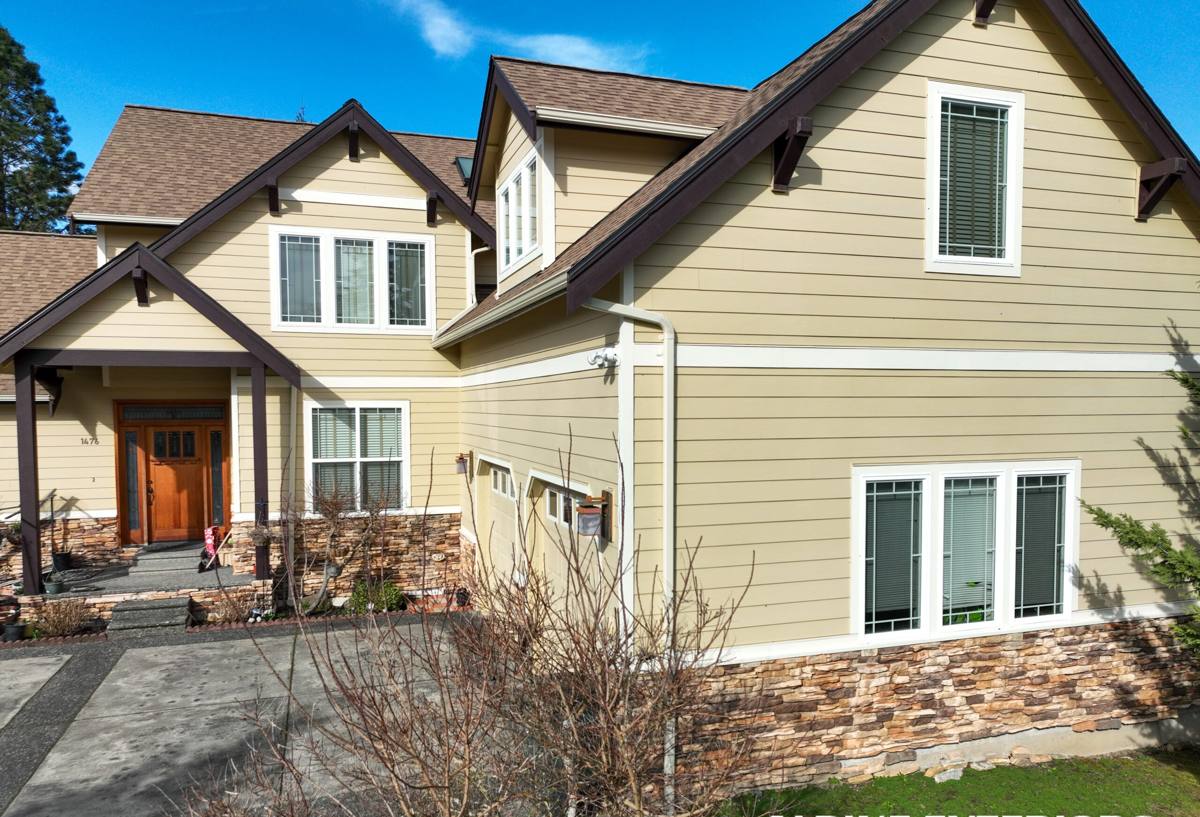
What Kendall's Climate Actually Does to a Shingle Roof
Moisture and a Long Wet Season
Whatcom County doesn't get a short rainy season — it gets a long one, with damp, low-drying conditions stretching from fall through spring. Shingles that stay wet longer between rain events are more prone to granule loss over time and give algae and moss more opportunity to take hold, especially on north-facing slopes and anywhere shaded by trees.
Moss Season
Moss is the single biggest maintenance issue we see on roofs out this way. It doesn't just look bad — it holds moisture against the shingle surface, works into the tab edges, and can lift shingles at the butt line over time, which is exactly where wind-driven rain finds a way in. A roof that isn't detailed correctly at the ridge, valleys, and edges gives moss more places to get a foothold.
Wind-Driven Rain
Storms coming off the water push rain sideways, not just down. That's a fastening and flashing issue as much as a shingle issue — a roof can have great material on it and still leak if the underlayment, valley metal, and nail pattern weren't done with sideways rain in mind.
Salt Air Influence
Whatcom County's proximity to the Salish Sea means a mild but real salt-air component in the weather, particularly on exposed metal — flashing, vents, fasteners, and drip edge. Lower-grade metal components corrode faster in this environment, which is one of the reasons we don't cut corners on flashing material just to save a few dollars on a bid.
What a Correct Asphalt Shingle Roof Install Actually Involves
Asphalt shingle roofing looks straightforward from the ground, which is part of the problem — a lot of what determines whether a roof performs well in this climate happens underneath the shingles, not on top of them.
- Tear-off and deck inspection: Old roofing comes off down to the deck so we can check for soft spots, rot, or delamination before anything new goes down — covering up deck damage is how small problems become big ones.
- Ice and water shield at vulnerable points: Eaves, valleys, and roof-to-wall transitions get self-adhered waterproof membrane, not just felt, since these are the spots wind-driven rain and ice damming stress the most.
- Synthetic underlayment across the field: A quality synthetic underlayment gives a second line of defense under the shingles and holds up better than old-style felt in our wet cycles.
- Proper flashing at every penetration: Chimneys, vents, skylights, and wall intersections all need new, correctly lapped flashing — reusing old flashing is a common shortcut that leads to leaks down the road.
- Balanced attic ventilation: Intake at the eaves and exhaust at the ridge working together keeps moisture from building up in the attic, which protects the deck from below and helps shingles last their full rated life.
- Correct nailing pattern: Manufacturer-specified nail placement and count isn't optional — under-nailed shingles are one of the top causes of wind blow-off in storms with sideways rain.
- Ridge cap and edge detailing: Clean ridge cap installation and drip edge at the eaves and rakes close off the entry points moss and wind-driven rain look for first.
Choosing the Right Shingle for a Kendall Roof
Not every asphalt shingle line is built the same way, and for this climate, the differences matter more than they would somewhere dry. We generally steer homeowners toward algae-resistant shingle lines that use copper or zinc granules blended into the surface — that's a manufacturer feature designed specifically to slow the algae and moss growth that our wet, shaded conditions encourage. We also weigh wind rating carefully, since it directly reflects how well a shingle is engineered to resist the kind of sideways, gusting rain this area gets in fall and winter storms.
| Factor | Why It Matters in Kendall |
|---|---|
| Algae-resistant granules | Slows moss and algae growth on shaded, north-facing, and low-slope sections |
| Wind rating | Higher-rated shingles resist lifting during wind-driven rain events |
| Shingle weight/thickness | Heavier architectural shingles shed water more effectively than basic 3-tab |
| Warranty structure | Manufacturer warranties often require certified installation — proper install protects your coverage |
| Color and granule retention | Darker colors show algae streaking sooner; granule quality affects long-term appearance |
We're upfront about trade-offs rather than just pushing the most expensive option. A basic 3-tab shingle costs less up front but has a shorter service life and lower wind rating than an architectural shingle — for a lot of Kendall roofs, especially anything with tree cover or open wind exposure, the architectural upgrade pays for itself in fewer maintenance calls and moss treatments over the years.
Our Process, Start to Finish
- On-site inspection: We walk the roof and attic, check the deck condition, note tree cover and drainage patterns, and look at existing ventilation before quoting anything.
- Honest scope and estimate: You get a clear written estimate that spells out materials, tear-off, deck repair contingencies, and timeline — no vague allowances.
- Material selection: We walk through shingle options based on your home's exposure, budget, and how much moss and algae resistance makes sense for your specific slopes.
- Tear-off and deck prep: Old material comes off, the deck gets inspected and repaired as needed, and the site is protected throughout.
- Underlayment, flashing, and shingle install: Done in the sequence and detail level described above, with attention to every valley, penetration, and edge.
- Final walkthrough: We review the finished roof with you, including ventilation and any maintenance notes specific to your property's shade and exposure.
Maintenance That Actually Extends Roof Life Here
A well-installed shingle roof in this climate still benefits from a bit of upkeep — it's not a "walk away for 25 years" situation anywhere in Whatcom County, and Kendall's tree cover makes that even more true.
- Keep gutters and valleys clear of needles and debris so water has a clean path off the roof.
- Have moss treated or gently removed before it builds up thick enough to hold moisture against the shingles.
- Trim back overhanging branches to cut down on shade, debris, and physical abrasion on the roof surface.
- Have flashing and penetrations checked periodically, especially around chimneys and skylights, since these are the most common leak points over time.
- Get a roof looked at after any major windstorm, even if nothing looks obviously wrong from the ground.
Why It's Worth Hiring a Crew That Already Works Kendall
A roofing crew that's unfamiliar with this specific area is guessing at things a local crew already knows — how much shade a given slope typically gets, how aggressive moss growth is on similar homes nearby, and what ventilation setups tend to run into trouble in older Whatcom County construction. That local experience shows up in fewer callbacks and a roof that's genuinely built for the conditions it's going to sit in, not just built to a generic spec sheet.
It also means we're not disappearing after the check clears. Being a crew that regularly works Lynden and the surrounding Kendall area means we're reachable if a question comes up two years down the road, and we have a real stake in the roof still looking and performing well the next time we're in the neighborhood.
Get a Straightforward Estimate
If your roof is showing granule loss, moss buildup, or you're just planning ahead for a replacement, we're happy to take a look and give you an honest read on where things stand. Fill out the form below for a free, no-pressure estimate on asphalt shingle roofing for your Kendall home — no obligation, just a clear picture of your options.