 Lynden Siding
 Roofing in Maple Falls Isn't the Same Job as Roofing in Town
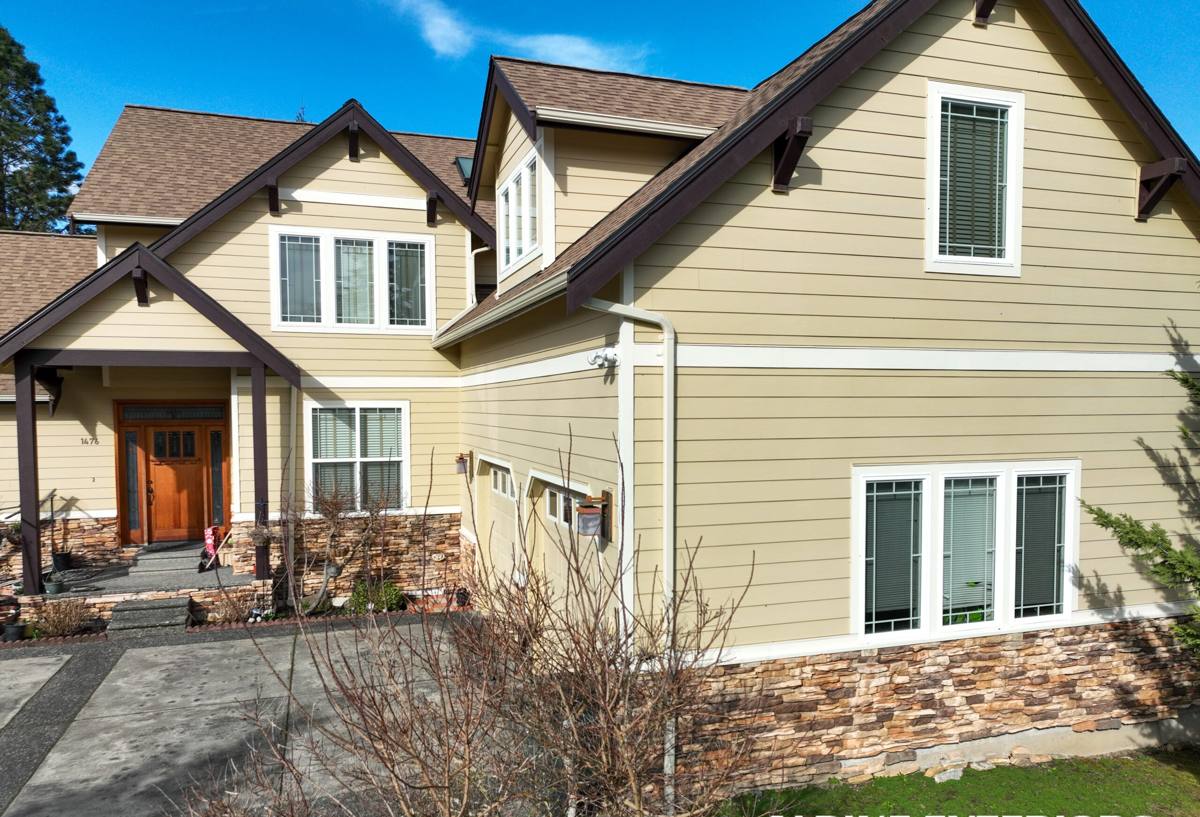
Maple Falls sits up in the wooded, higher-elevation stretch of Whatcom County on the way toward Mt. Baker, and that setting changes what a roof deals with compared to a house in downtown Lynden or out on open farmland. Tree canopy sits closer to the roofline, shade lingers longer into the day, and the same driving rain and damp marine air that move through the rest of Whatcom County get trapped instead of drying off quickly. A repair that works fine on an exposed, sun-baked roof in town can fail fast up here if it doesn't account for how slowly these roofs actually dry out.
We treat Maple Falls roof repair as its own job, not a smaller version of a Lynden repair. The diagnosis, the materials, and the timing all shift once shade and moisture are part of the equation.
What the Local Climate Actually Does to a Roof
Driving Rain and Wind-Driven Water
Whatcom County gets long stretches of steady, wind-driven rain rather than short bursts, and that pattern is hard on anything that depends on gravity alone to shed water — lifted shingle tabs, worn flashing, and low-slope transitions all take on water they wouldn't see in a lighter storm. Over a season, wind-driven rain finds its way into gaps that look minor from the ground.
Moss, Shade, and Slow Drying
With more tree cover overhead, roof sections in Maple Falls stay damp longer after every rain than a comparable roof out in the open. That extra dry time is exactly what moss and algae need to establish. Once moss gets a foothold under shingle edges, it lifts them, holds water against the roof deck, and accelerates wear well beyond what the shingles were rated for.
Debris From the Tree Canopy
Needles, cones, and small branches collect in valleys and behind chimneys and dormers faster on a wooded lot. That debris holds moisture against the roofing material and can dam water during heavy rain, pushing it sideways under shingles instead of letting it run off.
Signs a Maple Falls Roof Needs Repair, Not Just a Look
Because shade delays drying, problems on these roofs often show up more subtly than an obvious missing shingle. Homeowners in this area should watch for:
- Moss growing along shingle edges, ridges, or in shaded valleys
- Dark streaking or green-tinged patches on north-facing or heavily shaded slopes
- Granules collecting in gutters or at downspout outlets
- Shingle tabs that look curled, lifted, or cupped rather than lying flat
- Soft or spongy spots when the roof is walked (a sign of a wet or failing deck)
- Water stains or discoloration on interior ceilings, especially near exterior walls
- Rust streaks or gaps at flashing around chimneys, skylights, and roof-wall transitions
- Standing debris in valleys that doesn't clear on its own after a storm
Any one of these on its own might be minor. Several together, especially in a shaded area of the roof, usually mean water is already getting past the surface layer.
What a Correct Repair Actually Involves
A roof repair done right starts with finding where water is actually entering, not just patching where it showed up inside the house. Water often travels sideways under shingles or along the deck before it drips through the ceiling, so the visible stain and the actual failure point can be several feet apart.
A proper repair on a shaded, moss-prone roof typically includes:
- Removing moss and debris from the repair area and inspecting the deck underneath it, not just the shingle surface
- Checking the underlayment for saturation, since a wet layer under sound-looking shingles is a common source of repeat leaks
- Replacing damaged flashing rather than resealing it, since caulk over failed flashing is a short-term fix
- Matching shingle type, weight, and where possible color, so the repair sheds water the same way the surrounding roof does
- Confirming the water's original path is corrected, not just sealed at the point it became visible
Skipping the deck and underlayment check is the most common way a "fixed" leak comes back within a year or two, especially on shaded roofs where moisture lingers longer to begin with.
Repair or Replace? What We Weigh
Not every roof issue in Maple Falls needs a full replacement, and not every leak should be treated as a quick patch either. The right call depends on a handful of specific factors:
| Factor | Leans Toward Repair | Leans Toward Replacement |
|---|---|---|
| Roof age | Within its expected service life | Near or past manufacturer lifespan |
| Moss/algae extent | Isolated to a shaded section | Widespread across most slopes |
| Deck condition | Dry, solid under the affected area | Soft, delaminated, or rotted decking |
| Number of leak points | One or two, clearly sourced | Multiple, scattered, or hard to pin down |
| Underlayment condition | Intact, still doing its job | Saturated or failing in multiple areas |
| Shingle wear pattern | Localized damage or storm impact | Granule loss and brittleness roof-wide |
We walk homeowners through this in plain terms before recommending either path — a repair should genuinely solve the problem, not delay a replacement that's already overdue.
Materials and Methods We Use for Wet, Shaded Roofs
For repair work on roofs that stay damp longer, a few choices make a real difference in how long the fix holds:
Algae-Resistant Shingles Where It Matters
When shingles need replacing on a shaded slope, we favor algae-resistant products for that section. It's a matter of matching the material to how slowly that part of the roof dries, not a claim that standard shingles are defective — they're simply not built for constant shade.
Ice-and-Water Shield in Vulnerable Areas
Valleys, eaves, and areas prone to debris buildup get a self-adhering waterproof underlayment layer as part of the repair, giving a second line of defense if water gets past the shingle surface before it's cleared.
Corrosion-Resistant Flashing
Given the persistent moisture, we use flashing materials chosen for long-term corrosion resistance at chimneys, skylights, and wall transitions rather than the minimum the shingle warranty requires.
Honest Talk About Moss Control Strips
Zinc or copper strips near the ridge can help slow future moss growth by releasing trace metal ions when it rains. They're not a substitute for removing existing moss or fixing an underlying deck issue, and we'll say so rather than oversell them as a cure-all.
Our Roof Repair Process
- Inspection. We get on the roof, not just the ladder, and check the deck condition, not only the surface.
- Diagnosis. We trace the water path back to its actual entry point before proposing a fix.
- Written estimate. A clear scope of work and price before anything is touched, with repair versus replacement laid out honestly if the roof is borderline.
- The repair. Matched materials, corrected flashing, and underlayment addressed where it's compromised — not just the visible symptom.
- Cleanup and debris removal. Moss, needles, and old material cleared from the work area and gutters near it.
- Follow-up. We tell you what to watch for and when a re-check makes sense, particularly heading into the wetter months.
Why Hire a Crew That Already Works Maple Falls
A roofer who mostly works open, in-town roofs can still do competent work, but they may not think to check how long a shaded valley stays wet or how fast moss reestablishes under a thick canopy. Crews familiar with Maple Falls know which parts of a roof typically fail first in this setting, how tree cover changes access and staging on a wooded lot, and how to time repair work around the wetter stretches of the year so the fix isn't rushed between storms.
That local familiarity shows up in small but real ways — knowing to check a north-facing valley before it's mentioned, or recommending gutter and canopy maintenance alongside a repair because we've seen what happens on similar lots when it's skipped.
Keeping a Repair From Becoming a Recurring Repair
A well-done repair should hold for years, not months. On a shaded, moss-prone property, a bit of upkeep between visits makes a real difference:
- Clear gutters and valleys of needles and debris at least twice a year, more often under heavy conifer cover
- Have moss removed promptly rather than letting it spread across a season
- Trim back overhanging branches where practical to cut down on shade and debris
- Walk the roofline visually after major windstorms for lifted or missing shingles
- Schedule a professional check-up every couple of years, even with no visible issues
None of this requires major expense — it's the routine maintenance that keeps a repair from turning into a bigger job down the road.
If you're dealing with a leak, visible moss, or just want a second opinion on a Maple Falls roof, we're glad to take a look. Reach out for a free, no-pressure estimate using the form below.