 Lynden Siding
 Metal Roofing Built for Acme's Weather, Not Just Its Looks
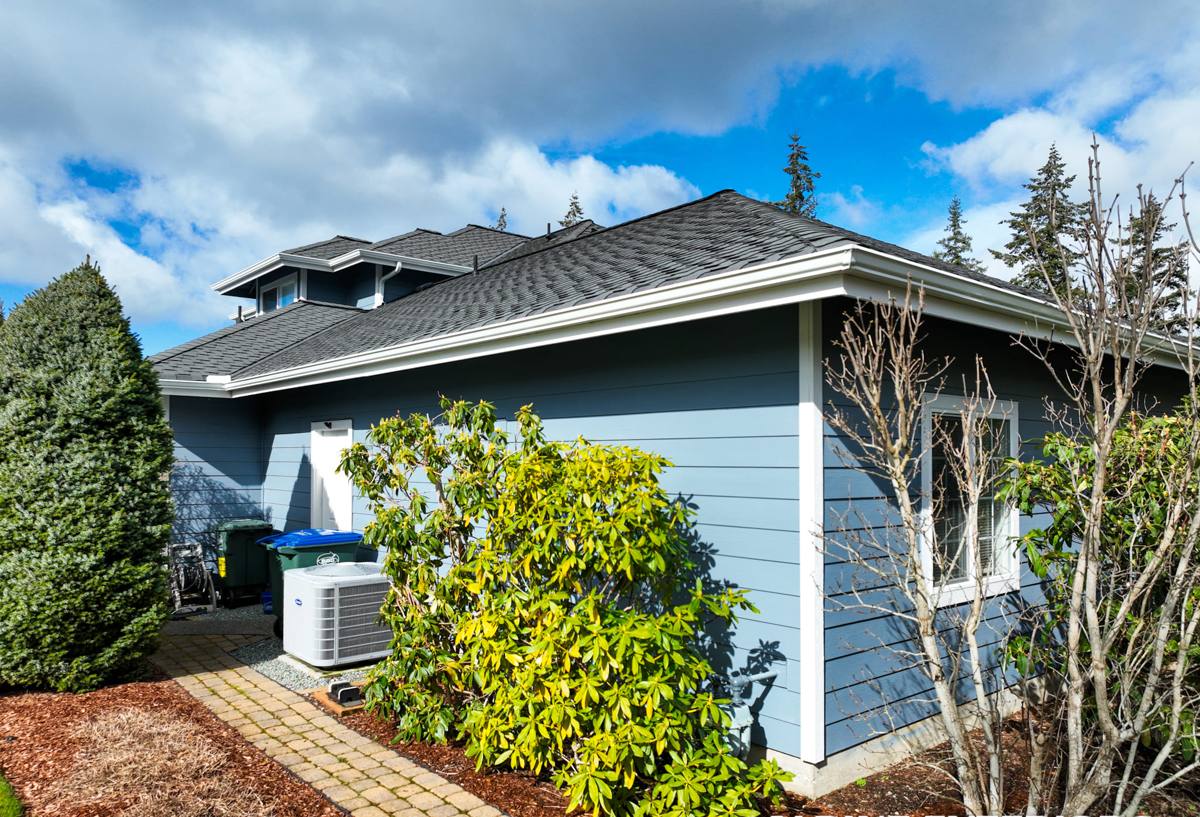
Homes in the Acme area sit inland from Lynden in Whatcom County's foothill country, where heavy tree cover, valley moisture, and long stretches of overcast, wet weather are simply part of living here. That same marine-influenced climate that brings salt air to Whatcom County's coastline also keeps this part of the county damp for months at a time. Add driving rain that comes in sideways during winter storms and a moss season that can run from fall through spring, and you have a roofing environment that is genuinely harder on materials than what homeowners in drier parts of the state deal with.
Metal roofing holds up well against all of it, but only when it is specified and installed correctly for this specific climate. A metal roof panel is not a one-size-fits-all product, and a crew that treats an Acme install the same as a job in a dry, open subdivision is setting a homeowner up for problems down the road. This page covers what local homes actually need from a metal roof, what a correct installation looks like, and how we approach the work.
What Acme's Climate Does to a Roof Over Time
Moss and Organic Growth
Shaded, tree-lined properties around Acme hold moisture longer than open lots, and that moisture feeds moss, algae, and lichen. On asphalt shingles, moss roots into the granule surface and lifts shingle edges, which lets water track underneath. On a properly installed metal roof, there is no granule surface for moss to grab onto, and the smooth, hard panel surface sheds spores and organic debris far more effectively. Moss can still collect in valleys, around penetrations, or wherever debris piles up, so panel layout and detailing around those areas matters.
Driving Rain and Wind-Driven Water
Whatcom County storms don't always drop rain straight down. Wind-driven rain pushes water sideways and upward under laps, flashing, and fastener points that weren't detailed for that kind of pressure. This is where a lot of metal roofing problems actually start — not with the panel itself, but with underlayment, flashing, and seam details that were adequate for calm rain but not for a sideways winter storm coming off the valley.
Freeze-Thaw and Prolonged Dampness
Acme doesn't see the deep, sustained freezes of the mountains, but repeated freeze-thaw cycles combined with weeks of dampness stress fasteners, sealants, and any wood substrate underneath the roofing. Materials and fasteners rated for this kind of cyclical exposure last longer than budget-grade alternatives.
Metal Roofing Options for Acme Homes
Not every metal roofing system fits every home or budget. We install a few different systems and are upfront about the trade-offs of each rather than pushing one product for every job.
| System | Best For | Key Trade-Off |
|---|---|---|
| Standing seam (concealed fastener) | Homes wanting the longest service life and cleanest moisture performance | Higher upfront cost; requires skilled installation |
| Exposed-fastener metal panel | Budget-conscious projects, outbuildings, secondary structures | Fasteners and washers need periodic inspection over time |
| Stone-coated steel | Homeowners who want a shingle or tile look with metal durability | More installation detail work around coating and cut edges |
For primary residences in a wet, moss-prone setting like Acme, we generally steer homeowners toward standing seam or a well-detailed stone-coated system, since concealed or protected fastening reduces the long-term maintenance burden in this climate. Exposed-fastener panels can still be a sound choice for shops, barns, and secondary buildings where budget matters more than a 40-plus year fastener life.
What a Correct Metal Roof Installation Involves
Underlayment and Water Protection
Every metal roof is only as good as what's underneath it. We use synthetic underlayment rated for the exposure, with self-adhered ice-and-water membrane at eaves, valleys, and any low-slope transitions where wind-driven rain and ponding are most likely. Skipping or downgrading this layer is one of the most common shortcuts on cheap metal roof jobs, and it's invisible until a leak shows up years later.
Fastening and Flashing Details
Panel fasteners and clips need to be matched to the panel profile and rated for coastal-influenced, high-moisture climates so they don't become the weak point in an otherwise durable system. Flashing at chimneys, skylights, dormers, and wall intersections has to be layered correctly with the underlayment, not just caulked over the top — sealant is a backup, not the primary defense against water intrusion.
Ventilation
Metal roofs perform best over a properly ventilated attic or roof deck. Trapped moisture underneath a roof causes condensation problems that have nothing to do with the roofing material itself but get blamed on it anyway. We check existing ventilation as part of every metal roofing project and recommend corrections when the current setup won't support the new roof.
Panel Layout and Seam Direction
On homes with multiple roof planes and valleys — common on Acme's larger, tree-shaded lots — panel run direction and seam placement are planned to move water off the roof as directly as possible and to keep valleys clear of debris that would otherwise trap moisture and feed moss growth.
Signs Your Current Roof Is Telling You Something
A lot of roofing decisions get made too late, after a leak has already caused interior damage. These are the signs worth acting on sooner:
- Moss or dark streaking building up across shingles or panels, especially on shaded slopes
- Granules collecting in gutters or downspouts from aging asphalt shingles
- Rust staining, loose fasteners, or lifted panel edges on an existing metal roof
- Daylight visible through the attic decking or soffit vents
- Water stains on interior ceilings, especially after wind-driven storms
- Sagging or soft spots anywhere on the roof plane
- Ice or water buildup in valleys that doesn't drain and clear quickly
Our Process From Estimate to Finished Roof
We walk every roof in person before quoting anything — photos and satellite measurements don't tell us how much moss coverage, shading, or existing deck damage a specific property has. From there:
- On-site inspection of the existing roof, decking, and ventilation
- A written estimate that spells out the system, underlayment, flashing plan, and warranty terms in plain language
- Scheduling that accounts for Whatcom County's wet-season weather windows so materials aren't installed over damp decking
- Removal of the old roofing and inspection of the deck for hidden rot or damage before anything new goes down
- Installation following manufacturer specs and the underlayment, flashing, and fastening standards described above
- A final walkthrough so you understand what was done and what maintenance, if any, to expect
Cost Factors for Metal Roofing in Acme
Every roof is different, but the biggest cost drivers we see on Acme properties are roof complexity (valleys, dormers, multiple planes), the condition of the existing deck once it's exposed, and which metal system fits the home and budget. Standing seam costs more per square foot than exposed-fastener panel, largely because of the labor and equipment involved in forming and installing concealed seams correctly. We provide a firm, itemized estimate before any work begins rather than a vague price range, so there are no surprises once the old roof comes off.
Why a Crew That Already Works Acme Matters
A metal roof installed without accounting for local moisture patterns, tree cover, and storm direction can look fine for a season or two before problems show up. Crews who regularly work this part of Whatcom County know which details actually matter here — where moss tends to collect, how wind-driven rain behaves on a given roof orientation, and which fastener and flashing choices hold up under Acme's specific combination of shade, dampness, and weather exposure. That local pattern recognition is hard to replace with a generic installation checklist.
We also stand behind the work with a clear warranty and are reachable if something needs a look after the job is done — not just during the sales process.
Maintenance Homeowners Can Expect
One of the real advantages of metal roofing in a climate like this is how little ongoing maintenance it needs compared to asphalt shingles. That said, a heavily shaded Acme property still benefits from an occasional check:
- Clear debris and organic buildup from valleys and gutters once or twice a year
- Visually inspect flashing and fastener points after major wind storms
- Keep overhanging branches trimmed back to reduce shade, debris, and moss pressure
- Address any scratches to the finish promptly to prevent isolated rust spots
If you're weighing options for a roof on your Acme property, we're happy to take a look and give you a straightforward, no-pressure estimate. There's no cost or obligation to have us come out and tell you honestly what your roof needs.