 Lynden Siding
 Windows Built for Nooksack's Weather, Not Just the Opening
Nooksack sits close enough to the water and the foothills that homes here take a different kind of beating than houses further inland. Salt-tinged air off the Sound and the Strait works its way into metal components over time, driving rain gets pushed sideways by wind more often than most homeowners expect, and the long stretch of wet, low-light months from fall through spring keeps everything damp long enough for moss and mildew to find a foothold. A window that was fine for a drier climate can start showing problems here within a few years: fogged glass, swollen sashes, soft trim, or a draft that wasn't there when it was installed.
Custom windows aren't about looks alone. In this area, "custom" means matching the frame, glazing, and flashing details to what the house and the weather actually demand — the opening size, the wall assembly behind it, the direction it faces, and how much weather it takes on in a given year. We've worked enough homes in and around Nooksack to know which details matter most here and which ones are just upsells.
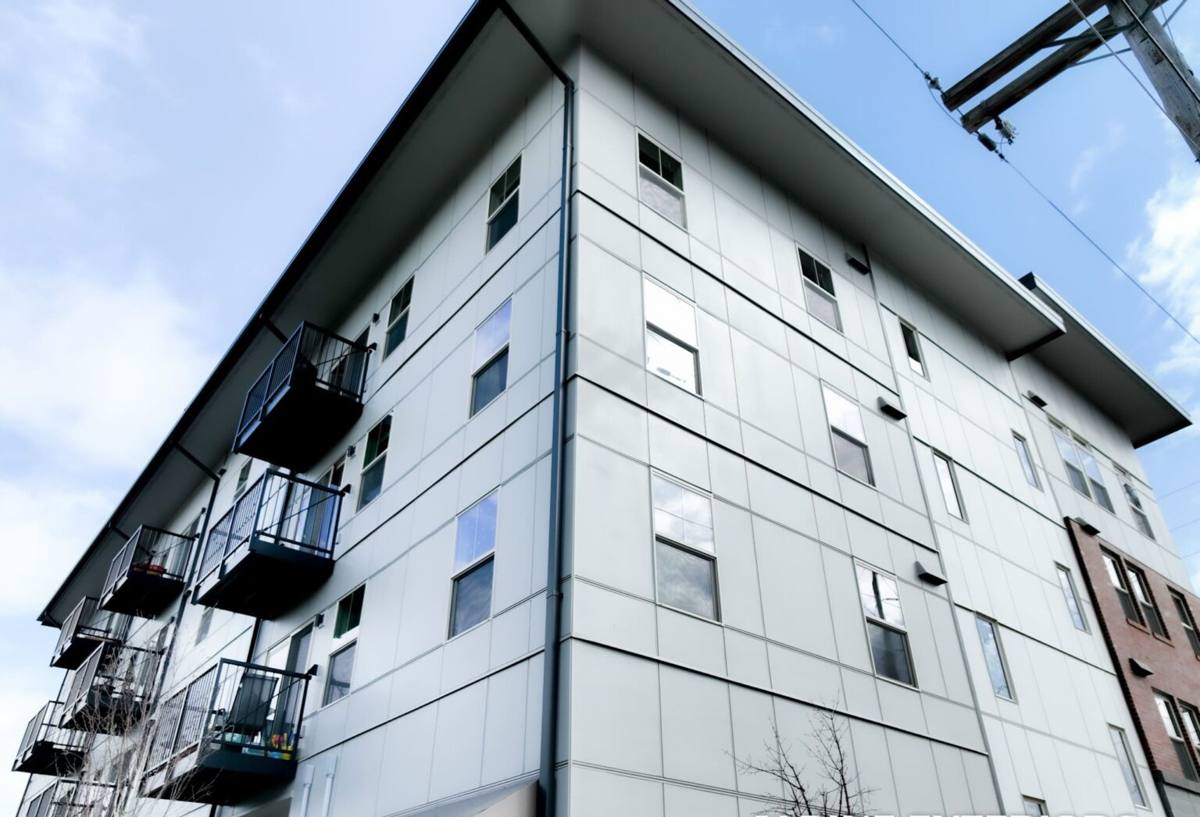
What Makes a Window Job "Custom" Around Here
Stock replacement windows work fine when an opening is a standard size and the wall behind it is in good shape. A lot of homes near Nooksack don't fit that description — older farmhouses with settled framing, additions built to slightly different dimensions than the original structure, or openings that were never quite square to begin with. Custom windows are built to the actual measured opening rather than forcing the opening to fit a stock size, which matters for both appearance and how well the window seals.
Situations Where Custom Sizing Is the Right Call
- Older or farmhouse-style homes with non-standard rough openings
- Additions or remodels where wall framing doesn't match the original house
- Bay, bow, or picture window replacements where symmetry matters
- Openings that have shifted slightly from settling and are no longer square
- Homeowners wanting a specific grille pattern, glass tint, or hardware finish to match the rest of the house
If a standard size will genuinely work and save money without compromising the seal or the look, we'll tell you that too. Custom isn't the answer for every window on a house — just the ones where it actually solves a problem.
What Local Homes Are Dealing With
Whatcom County's weather pattern — steady rain, wind off the water, and long stretches without direct sun — shows up in windows in a handful of predictable ways. Knowing what to look for helps you catch a problem before it turns into a bigger repair.
- Condensation between the panes — a sign the seal on a double- or triple-pane unit has failed and the gas fill has escaped, common on older insulated glass units that have been through many wet seasons
- Soft or discolored trim and sills — usually water intrusion at the flashing or caulk line, not the glass itself
- Moss or dark streaking on sills and lower frames — a sign moisture is sitting where it should be draining away
- Sashes that stick or won't latch fully — often wood swelling from repeated wet-dry cycles, or a frame that's racked slightly out of square
- Noticeable draft near the frame in windy weather — failed weatherstripping or a gap in the original installation that was never properly sealed
- Peeling paint or finish on the interior sash — a sign moisture is getting through the glazing seal, not just a cosmetic issue
Material and Glass Choices for This Climate
There's no single "best" window material — the right choice depends on the house, the budget, and how much upkeep you want to take on. Here's how the common options hold up specifically against Whatcom County's wet, salt-tinged air:
| Material | How It Handles This Climate | Maintenance |
|---|---|---|
| Vinyl | Won't rot or corrode from salt air; good seal life when installed correctly | Low — occasional cleaning, no repainting |
| Fiberglass | Very stable in temperature and moisture swings; strong long-term performance near the water | Low — durable finish, rarely needs attention |
| Wood (clad exterior) | Good insulation and classic look, but the interior wood needs protection from condensation | Moderate — exterior clad is low-maintenance, interior needs periodic finish checks |
| Aluminum | Prone to corrosion and condensation in salt-influenced, wet climates unless thermally broken | Higher — needs a quality finish and regular inspection near the coast |
Glass matters as much as frame material. In this area we generally recommend double- or triple-pane units with a warm-edge spacer, since the spacer is often where seal failure starts in a climate with this much sustained moisture. Low-E coatings help with both winter heat retention and glare control during the brighter summer months.
Getting the Glazing Right
A window can have excellent glass and still perform poorly if the glazing — the seal between the glass unit and the frame — isn't done correctly. This is one of the more common corners cut on rushed jobs, and it's usually invisible until a seal fails a few years down the road. We check glazing details as part of every install, not just on the units we manufacture custom.
Our Process for a Nooksack Window Job
- On-site assessment. We measure the actual opening, check the framing and sill condition, and look at how the wall assembly behind the window is built before recommending anything.
- Material and glass recommendation. Based on the wall's exposure — how much direct rain and wind it takes — we recommend a frame material and glass package that fits both the budget and the performance need.
- Custom order or on-site build. Openings that are out of square, oddly sized, or part of a remodel get windows built to the actual measurements rather than forcing a stock size.
- Removal and inspection of the old opening. Once the old window is out, we check the sill, header, and sheathing for hidden water damage before anything new goes in. This step catches problems that don't show from the outside.
- Flashing and sealing. Proper flashing — installed so water sheds down and out, not into the wall — matters more here than in drier climates. This is the step that determines whether a window stays dry for the next twenty years or starts failing in five.
- Final fit, seal check, and cleanup. We confirm the sash operates smoothly, the seal is complete around the frame, and the site is left clean.
Why the Flashing Step Gets Extra Attention Here
Wind-driven rain doesn't just hit a window straight on — around Nooksack it comes at an angle often enough that flashing details which would be fine in a calmer climate aren't sufficient here. We install flashing so water is directed down and away from the sheathing at every layer, with attention to the sill pan and the head flashing above the window, not just a bead of caulk around the trim.
Sizing, Trim, and Matching What's Already There
On older Nooksack-area homes, a big part of getting a custom window right is matching it to the house — trim profile, sill depth, and grille pattern that fit the existing architecture instead of looking like an obvious retrofit. We measure the surrounding trim and casing before ordering so the finished window sits the way the original opening intended, whether that's a simple farmhouse sash or a wider bay configuration.
Keeping Windows Performing Through Moss Season
Even a well-installed window needs a little seasonal attention in this climate. A few habits go a long way toward avoiding premature seal failure or frame damage:
- Clear debris and moss buildup from sills and tracks before the wet season sets in
- Check caulking around the exterior frame annually — small cracks let water behind the trim
- Keep gutters and downspouts clear so runoff isn't pooling against upper-story windows
- Operate sashes periodically through the winter to keep weatherstripping from taking a compression set
- Watch for condensation between panes as an early sign a seal needs attention, not just replacement of the whole unit
Why It Matters That We Already Work in Nooksack
A window contractor who mostly works drier or more sheltered areas will sometimes spec a window or a flashing detail that's technically fine on paper but doesn't hold up against what Whatcom County actually throws at a house over a wet winter. Working this specific area regularly means we've seen which details fail here and which ones don't, on homes with the same wind exposure, the same rain patterns, and the same moss problem yours has. That's not something you can substitute with a product catalog — it comes from doing the work here, on houses like this one, season after season.
If you're dealing with a drafty window, a failed seal, or you're planning a remodel that needs openings built to match your home rather than a stock size, we're happy to take a look. Reach out for a free, no-pressure estimate using the form below — we'll walk the house, tell you honestly what needs attention now versus what can wait, and give you a straight answer on cost.