 Lynden Siding
 Roof Replacement in Maple Falls: Built for This Climate, Not a Generic One
Maple Falls sits in the forested foothills east of Lynden, in the shadow of Mt. Baker, and that setting shapes what a roof has to survive here. Whatcom County as a whole sees moisture-laden marine air moving in off the Puget Sound and Strait of Georgia most of the year, and that damp, salt-tinged air corrodes exposed metal, softens organic roofing materials over time, and keeps everything just wet enough, just long enough, for moss and algae to take hold. In Maple Falls specifically, add heavy tree canopy, higher elevation, and more shade than you'd find on open Lynden farmland, and you get a roof environment that works harder than most.
A roof replacement out here isn't just "same as Lynden, but with more trees." The combination of driving rain, prolonged shade, and a moss season that can run eight or nine months out of the year changes what materials, ventilation, and installation details actually hold up. This page covers what that means for a straight-up tear-off-and-replace job on a Maple Falls home — not general roofing advice, but what applies to this specific area.
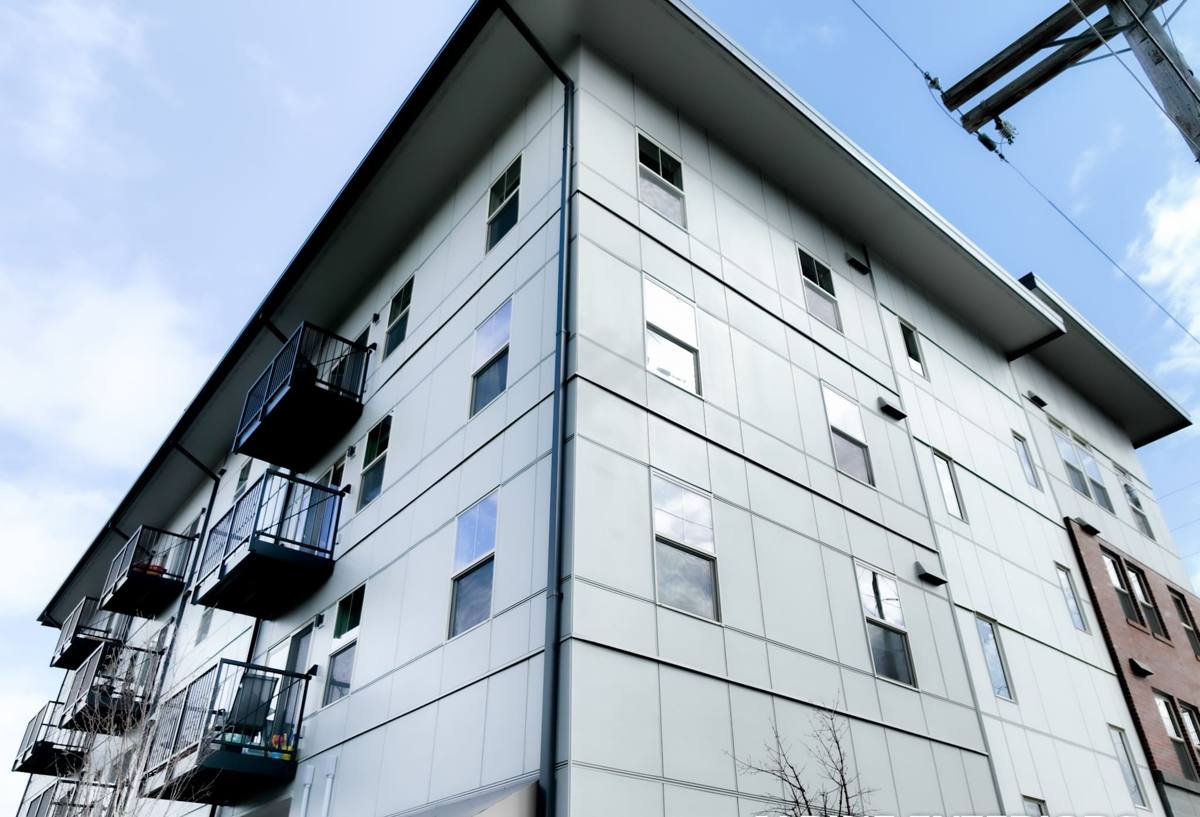
What the Maple Falls Climate Does to a Roof
Driving Rain and Wind-Driven Water
Whatcom County storms rarely come straight down. Wind pushes rain sideways, which means water finds its way under shingle edges, around chimney flashing, and into any gap that a calmer climate would never expose. A roof detailed for a dry inland climate — light on flashing, minimal underlayment — will leak here within a few seasons even if it looks fine from the ground.
The Long Moss Season
Moss doesn't need direct rain to thrive — it needs shade and residual moisture, and Maple Falls' tree cover provides both for most of the year. Once moss establishes on a roof, it holds water against the shingle surface, lifts tabs as it grows, and works its root structure into the granule layer. On an aging roof, moss accelerates the decline; on a new roof, the wrong material choice or poor ventilation sets the stage for moss to come back faster than it should.
Salt Air and Metal Corrosion
The marine influence that reaches inland across Whatcom County carries trace salt that speeds up corrosion on exposed fasteners, flashing, and any unprotected metal roofing components. It's a slower effect than what a coastal home deals with directly, but over a 20-30 year roof life it matters, which is why fastener and flashing quality isn't a place to cut corners on a Maple Falls job.
Signs a Maple Falls Roof Actually Needs Replacing
Not every roof problem calls for full replacement — some are legitimate repairs. But certain signs, especially in this climate, point to a roof that's past the point of patching:
- Heavy moss growth that returns within a year or two of cleaning, even after treatment
- Shingles that are cupping, curling, or losing granules in patches, not just at the edges
- Soft spots in the decking you can feel when walking the roof
- Daylight visible through the roof deck from inside the attic
- Recurring leaks around the same penetration despite repeated repairs
- Roof is 20+ years old (asphalt) and has never had underlayment or ventilation upgrades
- Visible sagging along the ridge line or between rafters
- Granules collecting in gutters in large quantities after every storm
If you're only seeing one or two of these and the roof is under 15 years old, a repair or moss treatment may be the more honest answer. We'll tell you that directly rather than push a replacement you don't need yet.
What a Correct Roof Replacement Actually Involves
A roof replacement done right in this climate isn't just stripping old shingles and nailing down new ones. Given the moisture load Maple Falls sees, several steps matter more here than they would in a drier region.
Full Tear-Off, Not Overlay
Overlaying new shingles on top of old ones is faster and cheaper, but it traps moisture that's already worked its way into the old layer and hides deck damage underneath. In a climate this wet, that's a bad trade. A full tear-off lets us inspect the actual deck condition and start clean.
Deck Inspection and Repair
Once the old roofing is off, we check the sheathing for soft spots, delamination, or rot — common in shaded, damp areas where moisture sits longer. Any compromised decking gets replaced before anything new goes down. Skipping this step is the single most common shortcut that leads to early failure.
Ice-and-Water Shield and Underlayment
Given the driving rain this area sees, we pay particular attention to underlayment coverage at eaves, valleys, and around penetrations — the areas most likely to take on wind-driven water. A synthetic underlayment with reinforced coverage at vulnerable points holds up better here than older felt-based systems.
Flashing Detail Work
Chimneys, skylights, and wall-to-roof transitions are where most leaks actually start, not in the open field of shingles. Correctly stepped and counter-flashed details, with corrosion-resistant metal given the salt-air factor, are worth the extra time they take.
Ventilation That Matches the Shade
Balanced intake and exhaust ventilation keeps the attic dry and temperature-stable, which matters more under heavy tree cover where the roof surface doesn't get the sun exposure that helps dry it out elsewhere. Poor ventilation in a shaded setting is a direct contributor to premature moss return and deck rot.
Material Choices for Maple Falls Homes
There's no single "best" roofing material — the right choice depends on your home's exposure, budget, and how much shade your roof sits under. Here's how the common options stack up for this specific setting:
| Material | Moss Resistance | Typical Lifespan Here | Best Fit For |
|---|---|---|---|
| Standard asphalt composition | Moderate — benefits from algae-resistant granules | 18-25 years | Budget-conscious homes, sunnier lots |
| Algae-resistant (AR) architectural shingle | Good | 25-30 years | Most Maple Falls homes under partial shade |
| Metal (standing seam) | Very good — moss struggles to grip smooth metal | 40-50+ years | Heavily shaded lots, steep-pitch roofs, long-term owners |
| Cedar shake | Poor without diligent maintenance | Varies widely | Homeowners committed to regular upkeep and treatment |
We don't install cedar shake as a standard recommendation for heavily shaded Maple Falls lots. It's not that the material is bad — it's that in constant shade and moisture, it demands a maintenance schedule most homeowners underestimate, and the moisture-retention behavior that makes it attractive aesthetically is the same behavior that shortens its life here. If you specifically want it, we'll talk through what upkeep it actually requires before you commit.
Our Roof Replacement Process
- On-site assessment — we walk the roof (weather permitting) and inspect the attic from inside, checking deck condition, ventilation, and moisture signs
- Honest scope and estimate — a written quote that spells out material, underlayment, flashing, and ventilation work, not just a shingle price
- Scheduling around weather — we plan tear-off days around forecast windows so your home isn't exposed during a storm
- Full tear-off and deck inspection — old material removed, deck checked and repaired as needed
- Underlayment, flashing, and ventilation installation — the details that determine how the roof performs in this climate, not just how it looks
- New roofing installed to manufacturer spec — proper nailing pattern, exposure, and fastening for wind and rain resistance
- Cleanup and final walkthrough — magnetic sweep for stray fasteners, debris removal, and a walkthrough so you know what was done and why
Cost Factors for a Maple Falls Roof Replacement
Every roof is different, but the variables that move the price on a Maple Falls job tend to be consistent:
| Factor | Why It Matters Here |
|---|---|
| Roof pitch and access | Steeper roofs and limited driveway/staging access common on wooded lots increase labor time |
| Deck condition | Shaded, damp roofs more often need sheathing replacement discovered during tear-off |
| Material choice | AR shingles and metal cost more upfront but reduce moss-related maintenance and re-treatment cycles |
| Ventilation upgrades | Older homes often need added intake/exhaust vents to perform correctly under tree cover |
| Tree trimming/clearance | Overhanging limbs sometimes need trimming before work starts, which we'll flag but don't perform ourselves |
| Number of penetrations | Chimneys, skylights, and vents each add flashing labor |
We give a firm written estimate after the on-site assessment, not a phone-quote guess. If the deck inspection during tear-off turns up something we couldn't see beforehand, we stop and talk to you before proceeding — no surprise change orders after the fact.
Why a Crew That Already Works Maple Falls Matters
Roofing crews that mostly work open, sunny subdivisions can underestimate what shaded, wooded lots require — lighter ventilation, standard underlayment, and material picks that make sense on a treeless roof but underperform under Maple Falls' canopy. A crew that's already replaced roofs in this specific area knows which details actually matter here: where moss tends to establish first, how local wind patterns drive rain into valleys and flashing, and which material choices hold up under sustained shade rather than just looking good on a spec sheet.
That local experience also means fewer surprises during the job itself — familiarity with the access challenges on wooded foothill lots, realistic scheduling around this area's weather windows, and a track record you can actually check with neighbors rather than a portfolio from three counties away.
Keeping a New Roof Healthy Through Moss Season
A correctly installed roof with the right material and ventilation resists moss far better than an older one, but no roof in this climate is maintenance-free. A few habits go a long way:
- Keep gutters clear so water isn't backing up under the roof edge
- Trim overhanging branches where practical to reduce shade and debris buildup
- Have moss growth addressed early — light growth is easy to remove; established growth has already lifted shingle tabs
- Schedule a roof check after major windstorms to catch lifted flashing or displaced shingles early
- Avoid pressure washing, which strips granules and shortens shingle life — soft washing or manual removal is safer
If you'd like a straightforward look at whether your Maple Falls roof needs replacement, repair, or just a maintenance visit, we're happy to come take a look. Use the form below to request a free, no-pressure estimate — we'll give you an honest read on where your roof actually stands.