 Lynden Siding
 Roofing in Sumas: What the Climate Actually Demands
Sumas sits up against the Whatcom County foothills, close enough to the water and the Fraser Valley weather patterns that homes here take a different kind of beating than roofs further inland. Damp marine air, driving horizontal rain that gets pushed sideways under poorly flashed edges, and a moss season that can run eight or nine months out of the year all put real, cumulative stress on a roof system. None of that is dramatic on its own — it's not hurricane weather — but it is relentless, and relentless is what wears out a roof that wasn't built for it.
An asphalt shingle roof installed the same way you'd install one in a dry inland climate will underperform here. The difference isn't the shingle itself so much as everything underneath and around it: the underlayment, the flashing, the ventilation, and the attention paid to the spots where water actually gets in. That's the part of the job that doesn't show up in a photo but shows up in your ceiling five years later if it's skipped.
Why Asphalt Shingles Still Make Sense for Sumas Homes
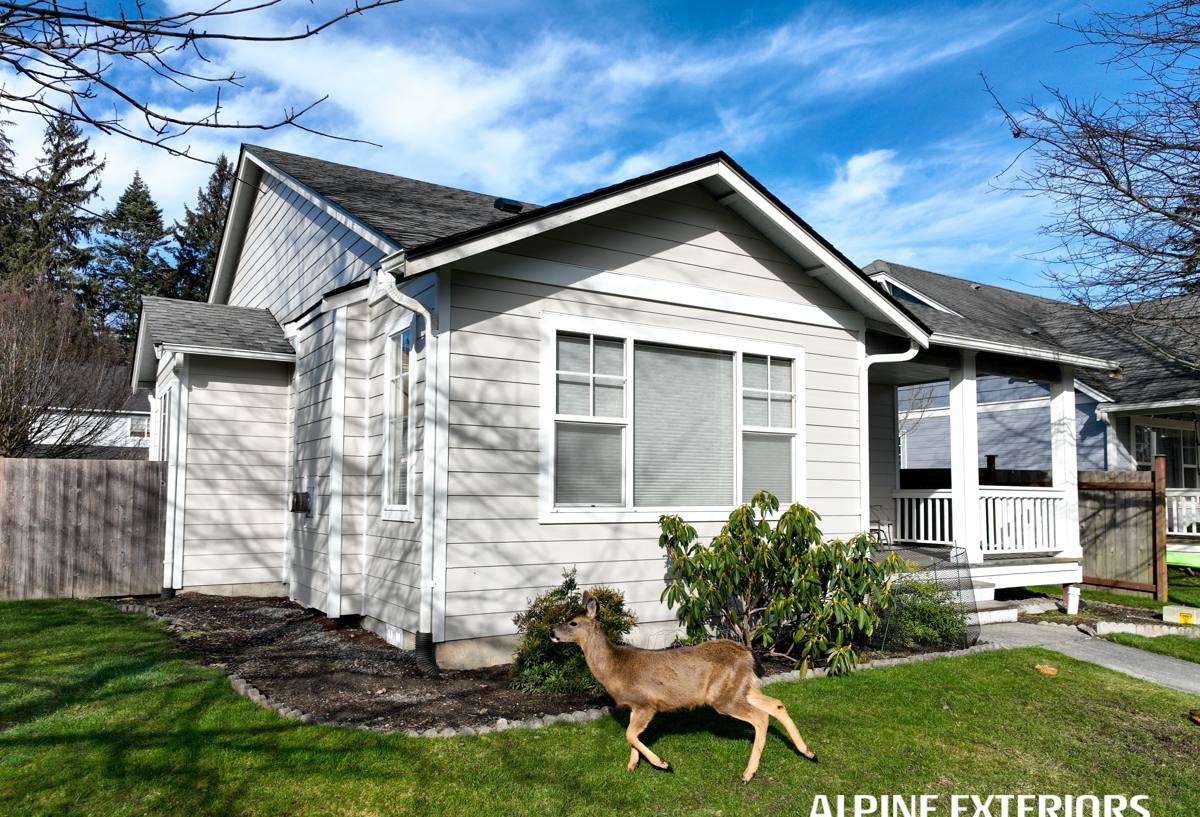
Asphalt shingles remain the most common roofing material in Whatcom County for good reason. They're a proven, well-understood system with a wide range of price points, they perform well against wind and rain when installed correctly, and repairs are straightforward if a section ever gets damaged. For most single-family homes in and around Sumas, a properly installed asphalt shingle roof is the most sensible balance of upfront cost, longevity, and maintainability.
Cost and Performance Balance
Compared to metal or cedar, asphalt shingles typically cost less to install and are cheaper and faster to repair if a limb comes down or a section takes wind damage. They also don't require the specialized crews that metal standing-seam work or cedar shake demand, which keeps both installation and future repair costs more predictable for homeowners.
Warranty Structures Worth Understanding
Shingle manufacturers offer tiered warranties — a base material warranty, and often an extended workmanship warranty available only when the roof is installed by a certified installer using the full manufacturer system (matching underlayment, starter strip, hip and ridge products, and ventilation components). We install to those system requirements as a matter of standard practice, not as an upsell, because a mismatched system is one of the most common ways homeowners unknowingly void their coverage.
What a Correct Asphalt Shingle Roof Actually Involves
A shingle roof is a system, not a single product. Skipping or shortcutting any one layer is where roofs in this climate fail early, usually quietly, behind the shingles where nobody's looking until there's a stain on the ceiling.
Tear-Off and Deck Inspection
We remove the existing roofing down to the deck rather than layering over old shingles. That lets us actually see the sheathing — soft spots, delaminated plywood, or old water staining get caught and repaired before anything new goes down. Roofing over a compromised deck just hides the problem under a new warranty period.
Underlayment and Ice-and-Water Protection
Given how much rain this area sees, underlayment choice matters more here than in drier climates. We use synthetic underlayment across the field of the roof and self-adhering ice-and-water membrane at the eaves, valleys, and around every penetration — the places where wind-driven rain is most likely to work its way backward under the shingle course.
Flashing Details
Most roof leaks aren't shingle failures — they're flashing failures. Step flashing at wall intersections, counter-flashing at chimneys, and properly lapped valley metal are what actually keep water out over the long run. This is the part of the job that separates a roof that lasts from one that leaks in year three.
Ventilation
A shingle roof needs balanced intake and exhaust ventilation to manage heat and moisture in the attic. Get this wrong and you can shorten shingle life from the underside, even if the surface installation is perfect. In a climate this damp, poor ventilation also raises the risk of trapped moisture and attic condensation.
Moss, Algae, and Long-Term Roof Health
Moss is the single biggest maintenance issue for shingle roofs in this part of Whatcom County. It's not just cosmetic — moss holds moisture against the shingle surface, lifts shingle edges as it grows, and over time can work its way under the granule layer and shorten the roof's usable life. North-facing slopes and shaded sections under trees are almost always the first places it shows up.
Algae staining (the dark streaking you see on older roofs) is a separate but related issue caused by airborne algae that thrives in consistently damp climates. It's cosmetic rather than structural, but it's a fair signal of how much moisture a roof surface is holding onto over time.
| Issue | What Causes It | Why It Matters |
|---|---|---|
| Moss growth | Shade, debris buildup, prolonged dampness | Lifts shingle edges, traps moisture, shortens shingle life |
| Algae streaking | Airborne algae spores in humid climates | Cosmetic, but signals a consistently damp roof surface |
| Granule loss | Age, foot traffic, moss removal done incorrectly | Reduces UV and weather protection over the shingle mat |
| Clogged valleys | Needle and leaf debris from nearby trees | Backs up water flow, increases risk of leaks at valleys |
Algae-resistant shingle options exist and can help slow staining, but no shingle is moss-proof. Regular gutter and valley clearing, keeping overhanging branches trimmed back, and catching moss early with gentle removal methods do more for roof longevity here than any single product choice.
Our Process, From Estimate to Cleanup
- On-site inspection of the current roof, deck condition (where visible), and any problem areas you've noticed
- A written estimate that spells out materials, scope, and timeline in plain language — no vague allowances
- Scheduling that accounts for Whatcom County's weather windows, since shingle installation needs dry conditions to go down correctly
- Tear-off, deck inspection and repair as needed, then underlayment, flashing, and shingle installation in that order
- Ventilation check and correction if the existing attic ventilation is inadequate for the new roof system
- Full site cleanup, including a magnetic sweep for stray nails and debris removal
- A final walk-through so you can see the finished work before we consider the job done
Asphalt Shingles Compared to Other Common Roofing Options
Homeowners in the Sumas and Lynden area sometimes ask how asphalt compares to metal or cedar before deciding. Here's the honest, practical comparison we give in person:
| Roofing Type | Typical Lifespan | Upfront Cost | Maintenance in This Climate |
|---|---|---|---|
| Asphalt shingles (architectural) | 25-30 years | Lowest to moderate | Moderate — periodic moss and debris removal |
| Standing-seam metal | 40-50+ years | Higher | Low, but repairs require specialized crews |
| Cedar shake | 25-30 years with upkeep | High | High — regular treatment needed to resist moss and rot in wet climates |
We install and stand behind asphalt shingle systems because, for the majority of homes we see, they deliver the best balance of cost, performance, and long-term repairability for this specific climate. If your home or budget points toward metal instead, we'll say so plainly rather than push a product that isn't the right fit.
Cost Factors for a Sumas-Area Shingle Roof
Every roof is priced individually, but the same handful of factors drive most of the variation we see on estimates in this area:
| Factor | How It Affects Cost |
|---|---|
| Roof pitch and complexity | Steeper roofs and multiple valleys/dormers take longer and require more safety setup |
| Number of layers to remove | Tear-off of multiple old layers adds labor and disposal cost |
| Deck condition | Rotted or soft sheathing found during tear-off needs replacement before shingles go down |
| Shingle tier chosen | Three-tab, standard architectural, and premium architectural shingles vary in material cost and wind rating |
| Ventilation upgrades | Adding or correcting intake/exhaust venting is sometimes needed on older homes |
Signs Your Sumas-Area Roof Needs a Closer Look
- Granules collecting in gutters or at the base of downspouts
- Shingles that look curled, cupped, or cracked, especially on south- and west-facing slopes
- Visible moss growth, particularly on shaded or north-facing sections
- Dark streaking or staining across large sections of the roof
- Soft spots or sagging noticeable when walking the roof or viewed from a ladder
- Daylight visible through the attic decking, or damp insulation after a heavy rain
- A roof that's 20+ years old and has never had a full inspection
Any one of these on its own isn't necessarily an emergency, but they're worth a professional look before the next wet season rather than after.
Why Hiring a Crew That Already Works Sumas Matters
Roofing crews who work regularly in and around Lynden and Sumas know this microclimate — how the moss cycle runs longer here than in drier parts of the state, which slopes and roof orientations tend to hold moisture, and how local drainage patterns affect where valleys and gutters actually need to be sized up. That's knowledge you build by working the same weather and the same housing stock year after year, not something you get from a general contractor passing through once.
It also matters for accountability. A local crew is easy to reach for a warranty question or a follow-up inspection years down the road, and has a reputation in the community worth protecting — not just a job number in a system.
If you're weighing a repair against a full replacement, or just want an honest read on how much life is left in your current roof, we're happy to take a look. Fill out the form below for a free, no-pressure estimate — we'll tell you what we actually see, not just what sells the biggest job.