 Lynden Siding
 Storm Damage Roofing Around Wiser Lake
Wiser Lake sits in a pocket of Whatcom County that gets its own weather personality. The lake itself pulls in extra moisture, the surrounding tree cover holds onto shade and damp longer than open ground, and winter storms coming off the water tend to hit these roofs with more sustained wind than homes a few miles inland. If you own a home near Wiser Lake, you've probably noticed your roof ages differently than a roof in downtown Lynden — more moss, more debris buildup in valleys, and more of that slow, quiet water intrusion that doesn't show up until it's already done damage inside the attic.
This page is about one thing: getting a storm-damaged roof repaired correctly for homes in this specific area, not a generic rundown of roofing services. If a windstorm lifted shingles, a branch came down on a slope, or you've got a slow leak that started after the last heavy rain event, this is what you need to know before you call anyone.
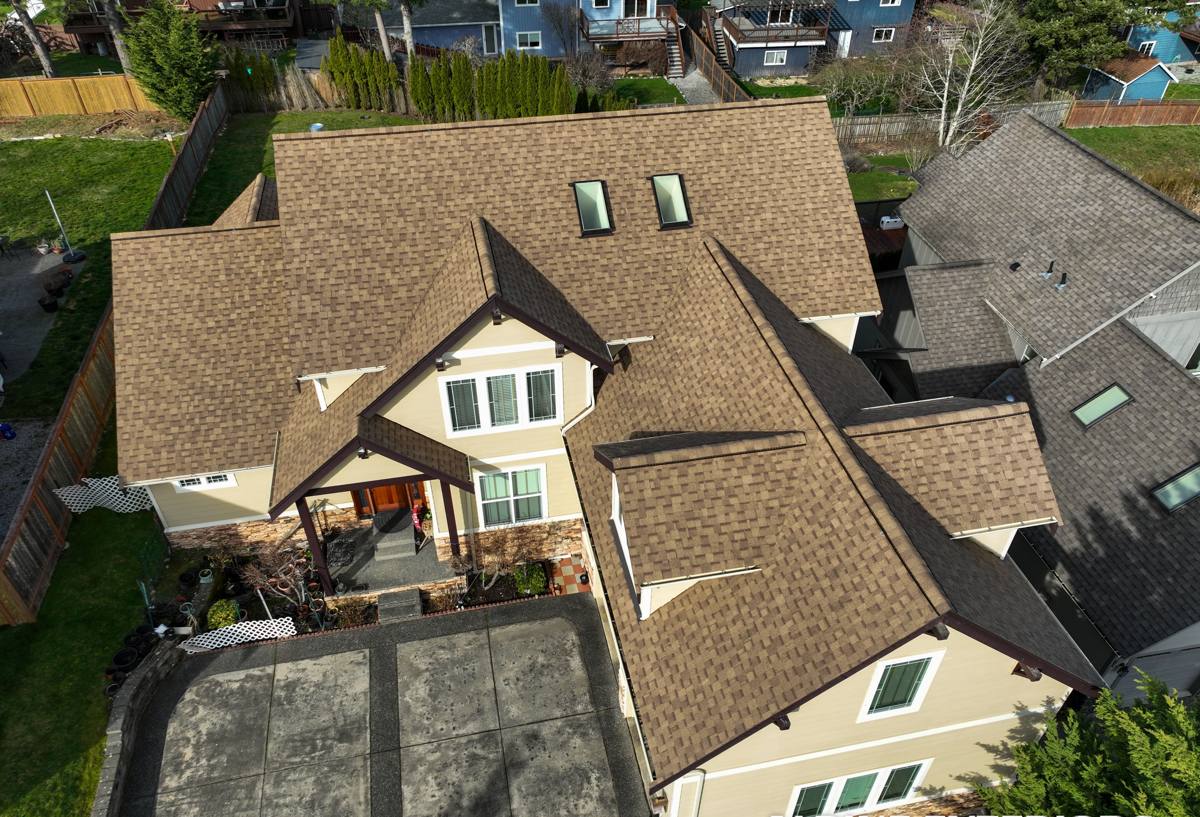
What Whatcom County Storms Actually Do to a Roof
Roof damage from storms rarely looks like the movie version — a single dramatic hole. Around here it's usually more subtle, and that's what makes it dangerous. Understanding the actual failure pattern helps you know what to look for and what a repair crew should be checking.
Wind-Driven Rain
Straight-down rain is easy for a properly installed roof to shed. Wind-driven rain is different — it gets pushed sideways and upward under shingle edges, around flashing, and into any gap that a calm-weather roof would never expose. Lake-adjacent properties see more of this because there's less windbreak than in a tighter neighborhood, and gusts coming across open water tend to hit a roofline harder and more directly.
Moss and Trapped Moisture
Whatcom County's long wet season means moss isn't a cosmetic issue here — it's a moisture-retention problem. Moss holds water against the roofing material long after a storm has passed, which softens shingles, breaks down granule adhesion, and quietly rots wood decking underneath. Homes with heavier tree cover, which describes a lot of the Wiser Lake area, deal with this more than homes on open, sun-exposed lots.
Debris Impact
Branches and limbs coming down during a windstorm are one of the more common causes of point damage we see — a cracked shingle, a dented vent boot, a puncture through underlayment. The damage is often small and localized, but it's also easy to miss from the ground.
Flashing and Seal Failure
Repeated freeze-thaw cycles and constant damp-dry swings stress the sealants and flashing around chimneys, skylights, and roof-to-wall transitions faster than they stress the field of the roof itself. This is where most storm-related leaks actually originate, even when the homeowner assumes the problem is "the roof" in general.
Signs Your Roof Took Storm Damage
Some damage is obvious right after a storm. A lot of it isn't, and shows up weeks later as a stain on a ceiling or a musty smell in the attic. Here's what to check after any significant wind or rain event:
- Shingles that look lifted, curled, or are missing outright, especially on the side of the roof that faces prevailing wind
- Granules collecting in gutters or at the base of downspouts — a sign of storm-accelerated wear
- Dented or cracked vent boots, pipe collars, or exhaust caps
- New or worsening moss growth in shaded valleys and north-facing slopes
- Soft spots or discoloration on ceilings, especially near chimneys, skylights, or where two rooflines meet
- Debris — branches, needles, leaf mats — sitting in valleys or against flashing instead of draining off
- Daylight visible through the attic decking, checked from inside on a bright day
- Gutters pulling away from the fascia or sagging under trapped debris and water weight
If you see two or more of these after a storm, it's worth a professional look before the next round of weather makes it worse.
What a Correct Storm Repair Actually Involves
A rushed storm repair and a correct one can look identical from the driveway. The difference is underneath. A repair that only replaces the visibly damaged shingles without checking the decking, underlayment, and flashing around the damage is a repair that fails again in the next storm.
A correct process includes:
- Full-slope inspection, not just a spot check of the obviously damaged area — wind damage often extends beyond what's visible
- Checking the decking underneath for soft spots or rot before any new shingles go down
- Matching shingle type, weight, and where possible color to the existing roof so the repair doesn't stand out or create a mismatched wear pattern later
- Re-sealing or replacing flashing at any point disturbed during the repair, not just patching over it
- Clearing moss and debris from the surrounding area so the repaired section isn't sitting under the same conditions that caused the original damage
- Checking attic ventilation near the repair — trapped moisture from poor airflow accelerates the exact kind of decay that storm damage exposes
Repair Approach: Cost Factors to Understand
Every storm repair is different, but the factors that drive scope and cost are consistent. This isn't a price list — it's what actually determines whether a repair is simple or involved.
| Factor | Why It Matters |
|---|---|
| Extent of decking damage | Surface shingle damage is a quick fix; rotted decking underneath means removing more material and rebuilding a solid base before re-roofing that section |
| Roof pitch and access | Steeper slopes and roofs with limited ladder access near landscaping or the lake side of the home take longer and require more careful staging |
| Age of surrounding roofing | An older roof near the end of its life may make patch repair impractical — sometimes a partial re-roof of the affected slope is the more honest long-term answer |
| Flashing complexity | Damage near chimneys, skylights, or roof valleys involves more detail work than an open field repair |
| Moss and debris load | Heavier moss cover means more prep work (cleaning, treating) before the actual repair can be evaluated accurately |
| Insurance documentation needs | Claims work requires thorough photo documentation and a written scope, which adds time but protects you if the claim is questioned |
Our Process for Wiser Lake Homeowners
Storm response works best when it's methodical, not rushed. Here's how we approach it:
- Emergency stabilization if needed. If a storm left an active leak or an exposed section of decking, the first priority is a tarp or temporary seal to stop further water intrusion — before any permanent repair scheduling.
- Full inspection. We walk the roof, not just the damaged section, and check the attic from inside where access allows. Storm damage often has a secondary problem sitting next to the obvious one.
- Written scope and honest recommendation. You get a clear explanation of what's damaged, what's simply aged, and what actually needs to happen — patch repair, section replacement, or in rarer cases a recommendation that a fuller roof assessment makes more sense.
- Insurance documentation, if you're filing a claim. We provide photos and a scope written the way adjusters expect to see it, so your claim isn't slowed down by missing information.
- The repair itself. Matched materials, proper flashing work, and decking replaced wherever it's compromised — not just covered over.
- Final walkthrough. We show you what was done and what to watch for going forward, particularly around moss control given how much shade and moisture this area holds onto.
Insurance Claims: What to Expect
Wind and storm damage is often covered under standard homeowner's policies, but coverage details vary and adjusters look for specific documentation — clear photos of the damage, a dated inspection, and a repair scope that matches what's actually needed rather than a padded estimate. We're not your insurance company and won't promise a claim outcome, but we document damage the way adjusters expect and give you a straightforward scope you can submit with confidence. If a section of your roof is being repaired rather than replaced, that should be reflected honestly in the paperwork — not inflated and not underestimated.
Why Local Experience With This Area Matters
A roof near Wiser Lake isn't dealing with the same conditions as a roof in a newer, open subdivision closer to town. Tree cover, lake humidity, and the wind pattern coming across the water all change how a roof ages and how it fails during a storm. A crew that's worked on homes in this specific area already knows to check the shaded, moss-prone slopes first, understands how driveway and property access tends to work around the lake, and isn't guessing at how Whatcom County's wet season affects timeline and drying conditions for a repair.
That familiarity also matters for something less obvious: knowing the difference between damage that's purely storm-related and damage that was accelerated by years of moss and moisture sitting on a shaded roof before the storm ever hit. Treating both the same way either overcharges you for a simple fix or under-fixes a bigger problem — neither is the right outcome.
Get an Honest Look at Your Roof
If your Wiser Lake home took storm damage — or you're just not sure whether that lifted shingle or new moss patch is something to worry about — we'll come take a real look and give you a straight answer. No pressure, no inflated scope. Reach out below for a free estimate.