 Lynden Siding
 Getting New-Construction Windows Right From the Start in Acme
When a home in Acme is framed and ready for windows, there's a narrow window of time — no pun intended — to get the water management right before siding, trim, and interior finishes cover everything up. Unlike a replacement job where you're working inside an existing wall system, new construction means building the water-managed opening from scratch: the sill pan, the flashing sequence, the house wrap integration, and the window unit itself all have to work together as one system. Get it right here and the wall stays dry for decades. Get it wrong and you won't know until there's a stain on the drywall or rot in the sheathing five or ten years down the road.
We treat new-construction window work in Acme as its own trade, not a smaller version of replacement work. The techniques, the sequencing with other trades, and the materials all differ.
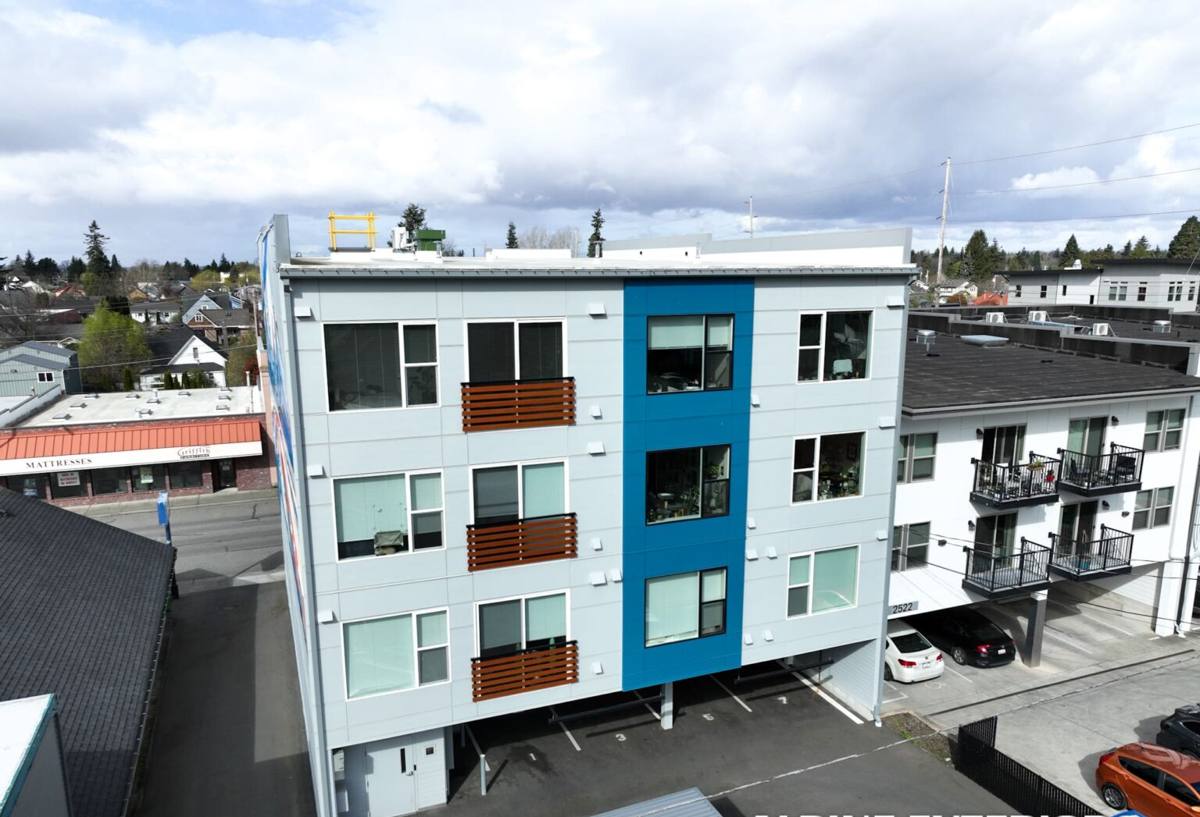
Why Whatcom County's Climate Raises the Stakes
Acme sits within Whatcom County, and homes here deal with the same weather patterns that shape construction practices across the region: long stretches of driving, wind-blown rain, a moss season that can run from fall through spring, and marine-influenced air that carries salt and moisture further inland than people expect. None of that is dramatic on its own, but it's persistent — and persistent moisture exposure is exactly what exposes a poorly flashed window opening.
Wind-driven rain doesn't fall straight down; it gets pushed sideways into wall assemblies, which means a window opening has to shed water outward and downward no matter what direction it's coming from. A long moss season means anything that traps standing moisture — a poorly sloped sill, a gap in the flashing tape, a caulk joint asked to do a flashing's job — becomes a growth site, not just a leak point. And salt-tinged air accelerates corrosion on fasteners, hardware, and unprotected metal flashing over time. A window package that would hold up fine in a drier inland climate can fail early here if it's installed with shortcuts.
What a Correct New-Construction Window Install Actually Involves
Flashing and the Water-Managed Opening
Before a window ever goes into the rough opening, the opening itself has to be prepared: a sloped sill pan so any water that gets past the window drains back outside instead of sitting on the sill, self-adhered flashing tape at the sill and jambs, and a head flashing detail that laps correctly with the house wrap above the window. Every layer has to shingle over the one below it — that's what makes gravity do the work instead of relying on caulk alone.
Nail Fin vs. Block Frame Installation
Most new-construction vinyl and fiberglass windows use a nailing fin that gets integrated directly into the flashing sequence and fastened to the sheathing before siding goes on. Some wood-clad or higher-end units use a block frame approach instead, which changes how the flashing and trim details are built around the unit. Neither is inherently "better" — the install method has to match the window type and the wall assembly, and mixing techniques is one of the more common sources of failure we see corrected on new builds.
Integrating With House Wrap and Siding
The window opening doesn't exist in isolation — it has to tie into the house wrap as a continuous drainage plane and leave the right reveal for whatever siding is going over it. On a new build, this is the point where the window crew, the framer, and the siding crew all need to be working off the same sequence. A window installed out of step with the house wrap installation is a callback waiting to happen.
Choosing Frame Materials for Acme's Climate
New construction gives you a real choice of frame material, since you're not constrained by an existing opening. The right call depends on budget, maintenance appetite, and how much moisture and salt exposure the specific elevation of the home will see.
| Frame Material | Moisture Behavior | Maintenance | Typical Lifespan |
|---|---|---|---|
| Vinyl | Won't rot; seams and welds matter more than the material itself | Low — occasional cleaning | 20–30+ years |
| Fiberglass | Dimensionally stable in wet-dry cycling, resists warping | Low | 30–40+ years |
| Wood-clad | Good if cladding and flashing details are correct; failure point is usually the interior wood if moisture gets behind the clad | Higher — finish and joint inspection | Varies widely with maintenance |
| Aluminum | Conducts cold and can condense in our wet winters unless thermally broken | Low | 20–30 years |
For most Acme-area new builds, vinyl and fiberglass cover the majority of the budget-to-performance range well. We steer clients away from unclad or minimally protected wood frames on exposed elevations — not because wood is a bad material, but because our combination of driving rain and long wet seasons punishes any gap in the finish, and repainting or refinishing exterior wood trim on a two-story window isn't a small task.
Our New-Construction Window Process in Acme
- Plan review and takeoff — we work from the builder's window schedule to confirm sizes, egress requirements, and glass packages before ordering.
- Rough opening check — verify openings are square, level, and sized correctly before flashing begins.
- Sill pan and flashing install — sloped sill pan, jamb flashing, and head flashing sequenced to shed water outward.
- Window set and fastening — unit shimmed plumb and square, fastened per manufacturer spec, and checked for smooth operation before it's sealed in.
- House wrap integration — flashing tied into the surrounding wrap so the drainage plane stays continuous.
- Interior and exterior sealing — appropriate sealants at the interior air seal and exterior trim, not used as a substitute for proper flashing.
- Final walkthrough — operation, hardware, and weatherstripping checked on every unit before we sign off.
Mistakes We Commonly Correct on New Builds
A lot of the window-related repair calls we get in Whatcom County trace back to a handful of recurring shortcuts:
- Flat or reverse-sloped sill pans that let water pool against the frame instead of draining out
- Flashing tape applied out of shingle-lap order, so water runs behind it instead of over it
- Caulk used to bridge a gap that should have been flashed, which fails long before the siding does
- Fasteners that aren't rated for coastal/marine air, leading to early rust streaking and staining
- House wrap cut and taped around the window without tying into the flashing system as one continuous plane
- Sills and trim details that don't shed water away from the wall, creating a standing spot for moss and algae to take hold during the wet months
None of these show up on move-in day. They show up two, five, or ten years later — which is exactly why the install sequence matters more than the window brand.
What New-Construction Windows Cost in Acme
Pricing depends on more than the window unit itself. On a new build, several factors move the total more than people expect:
| Factor | Why It Matters |
|---|---|
| Number and size of openings | More and larger units mean more material and labor per elevation |
| Frame material | Vinyl typically costs less than fiberglass or wood-clad |
| Glass package | Low-E coatings, argon fill, and impact or sound-rated glass all add cost |
| Story height and access | Second-story and stair-well openings require more setup and time |
| Trim and casing scope | Custom exterior trim adds labor beyond the window install itself |
| Coordination timing | Working cleanly with the framing and siding schedule affects overall efficiency |
Most new-construction window packages for a typical home land in a wide range once you account for all of the above — we'd rather walk your specific plans and give you real numbers than quote a figure that doesn't reflect your build.
Checklist: What to Ask Before You Hire for New-Construction Windows
- Do you install a sloped sill pan on every opening, or rely on caulk and the window's own drainage?
- How do you sequence flashing with the house wrap and siding crews?
- Are your fasteners rated for coastal/marine exposure?
- Can you walk me through your process for a specific window type — nail fin vs. block frame?
- Do you provide a written scope covering flashing, sealing, and trim, not just the window units?
- Have you worked on new builds in Acme or elsewhere in Whatcom County before?
Why a Crew That Already Works in Acme Matters
New-construction window work isn't a solo trade — it depends on good coordination with framers, house wrap installers, and the siding crew, plus familiarity with the permitting and inspection expectations local jurisdictions apply to new builds. A crew that already works Acme and the surrounding Lynden area knows how the local weather patterns actually behave through a build cycle, not just in theory, and has already worked out the sequencing details with other trades that keep a project moving instead of stalling out waiting on the wrong step to finish first.
That local familiarity is also what keeps a new build on schedule. Window openings that sit exposed to Whatcom County rain for longer than necessary invite problems before the home is even closed in — getting the right crew in at the right point in the framing schedule matters as much as the install quality itself.
If you're framing a new home or addition in Acme and want the window package planned and installed correctly the first time, we're happy to walk your plans with you. Reach out for a free, no-pressure estimate — the form below gets you started.