 Lynden Siding
 Aldergrove Decks Face a Different Kind of Wear
Homes in Aldergrove, BC sit just across the line from Whatcom County, and the weather doesn't stop to check passports. Decks here deal with the same driving rain, damp marine air, and long moss season we see on the Lynden side of the border — often eight or nine months a year where surfaces rarely get a real chance to dry out. A deck built or repaired without that in mind won't last as long as it should, no matter how good the lumber looks on installation day.
After years of repairing decks in this region, the pattern is consistent: the decking boards themselves are rarely the first thing to fail. It's the framing underneath, the fasteners holding it together, and the spots where water collects and nobody's checking that cause the real damage.
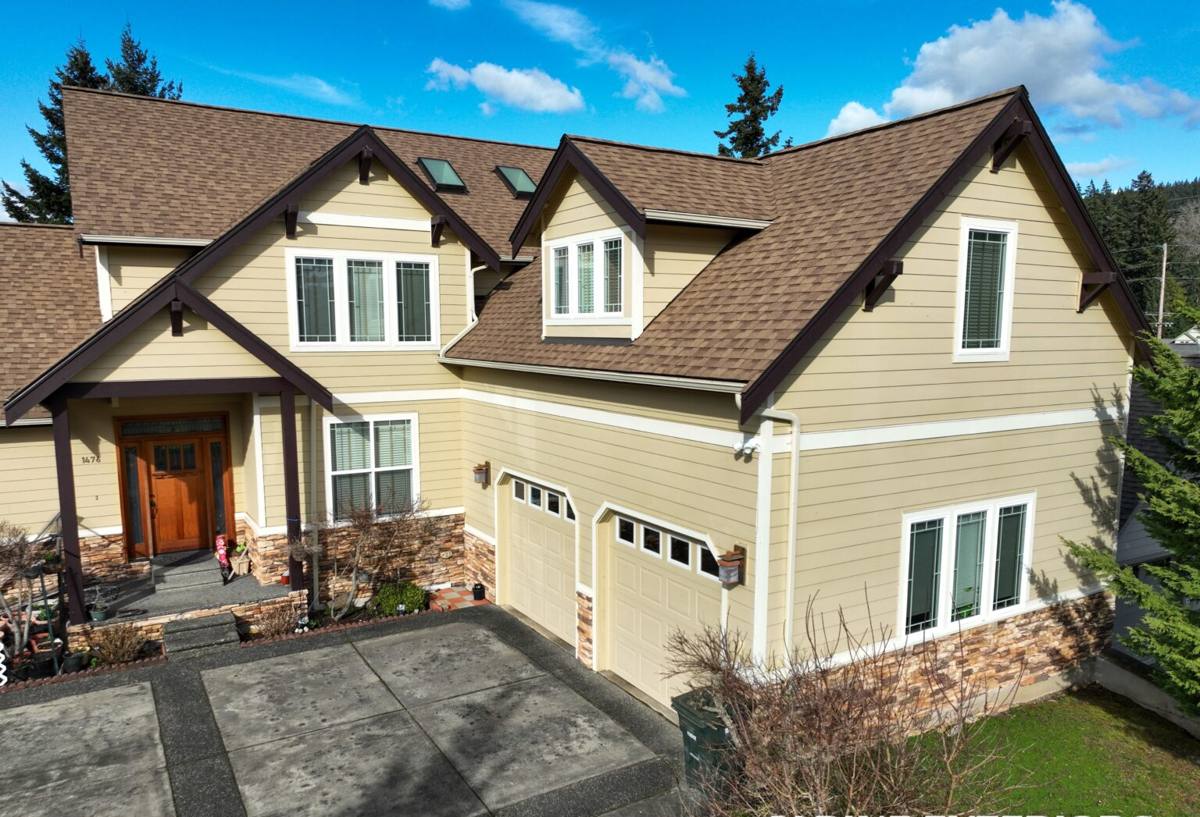
Repair or Rebuild? How to Tell the Difference
Not every deck problem means starting over, and not every deck can be patched and called good. The difference usually comes down to what's happening below the surface, not just how the boards look.
Usually a Repair Job
- Isolated soft or splintering boards, with the framing underneath still solid
- Surface graying, mildew staining, or moss buildup with no rot underneath
- A few loose or corroded fasteners, wobbly railing posts, or squeaky stair treads
- Minor movement at one or two connection points rather than the whole structure
Usually Points to a Rebuild
- Rot at the ledger board where the deck attaches to the house
- Multiple joists that are soft, splitting, or visibly sagging
- Footings that have shifted, heaved, or lost contact with the posts they support
- A deck that flexes or bounces noticeably when walked on
We'll tell you honestly which category your deck falls into. There's no benefit to us patching something that needs to come apart — that just means a bigger bill for you later and a callback for us.
What a Correct Deck Repair Actually Involves
A repair that's done right starts underneath, not on the surface. Before any board gets replaced, we check the structure it's sitting on: the ledger connection, the joists, the beam, and the posts and footings supporting all of it. In this climate, moisture damage almost always shows up first at connection points — where the ledger meets the house, where joists meet the beam, where posts meet the ground — because those are the places water lingers longest after a storm.
Once we know what's actually sound and what isn't, the repair addresses the cause, not just the symptom. Replacing a rotted board without fixing the flashing or drainage issue that caused the rot just buys a year or two before the same spot fails again.
Problems We See Most Often on Decks in This Area
Moss and Algae Buildup
Shaded decks, north-facing decks, and anything under overhanging trees hold onto moisture longest, and that's exactly where moss and algae take hold. Beyond looking bad, a mossy deck surface stays wet longer than bare wood, which accelerates rot and makes the surface genuinely slippery and dangerous in wet weather.
Ledger Board Rot
The ledger board — where the deck bolts to the house — is the single most common failure point we find. If flashing was skipped or installed poorly when the deck was built, water works its way behind the board year after year until the wood softens from the inside out, often with no visible warning from the top.
Corroded Fasteners and Hardware
Nails, screws, and joist hangers that aren't rated for constant damp exposure corrode over time. Corroded fasteners lose their grip strength long before they look obviously rusted, which is why a deck can feel "off" or slightly loose well before anything looks broken.
Railing and Stair Movement
Railing posts anchored into rim joists or framing that has softened will loosen even if the railing itself is in good shape. This is a safety issue as much as a durability one, since a loose railing is often the first thing someone leans on.
Repair vs. Full Replacement: Weighing the Cost Factors
Homeowners often want a straight answer on repair versus replacement before we've even looked at the deck. The honest answer depends on a handful of factors that matter more than the deck's age alone.
| Factor | Favors Repair | Favors Full Replacement |
|---|---|---|
| Framing condition | Solid, dry joists and beams | Widespread soft or rotted framing |
| Ledger board | Intact, properly flashed | Rotted or never flashed correctly |
| Footings/posts | Stable, level, no shifting | Heaved, cracked, or undersized |
| Age of structure | Under 15-20 years, built to code | Older, unknown or outdated construction |
| Extent of damage | Isolated to a few areas | Spread across multiple sections |
A deck that scores mostly in the middle column is a good repair candidate. Once damage is showing up in more than one of the structural rows, replacement usually ends up cheaper over a five-to-ten-year horizon than repeated repairs.
Our Deck Repair Process
- On-site inspection — we check the surface, but more importantly we get underneath the deck to inspect framing, ledger connection, and footings
- Honest assessment — you get a clear picture of what's failing, why, and what your realistic options are, in plain language
- Written estimate — scope and cost laid out before any work starts, with repair and replacement priced separately if both are on the table
- Structural repair first — framing, ledger flashing, and fasteners get addressed before any cosmetic work, since surface repairs on bad framing don't hold
- Surface and railing repair — board replacement, railing tightening, and stair repair once the structure underneath is confirmed sound
- Final walkthrough — we check the deck with you before calling the job done
Materials and Fasteners We Use, and Why
For structural repairs, we use pressure-treated lumber rated for ground contact where it's touching soil or masonry, and we match fastener hardware to the coating spec on that lumber — mismatched metals accelerate corrosion in damp climates, which defeats the purpose of using treated lumber in the first place. Hot-dip galvanized or stainless fasteners and joist hangers are standard on repair work here, not an upgrade option, because standard-coated hardware simply doesn't hold up long-term in a climate this wet.
For surface boards, we'll talk through wood versus composite honestly. Wood is cheaper up front and repairs easily in sections, but it needs regular cleaning and refinishing to fight moss and graying. Composite costs more initially and resists moss and rot better on the surface, but it can't be sanded or patched the way wood can — a damaged composite board gets replaced whole, and matching older composite colors gets harder as products age out of production. Neither is the "wrong" choice; it's a maintenance-versus-upfront-cost tradeoff we'll walk through based on your deck and your plans for it.
Keeping Your Deck Healthy After the Repair
A good repair lasts a lot longer with a little seasonal attention. This is the same maintenance checklist we give our own repair clients:
- Sweep leaves and debris off the deck surface regularly, especially in fall
- Clean moss and algae off boards at least once a year before it gets a foothold
- Check that gaps between boards stay clear so water can drain instead of pooling
- Look underneath once a year for new soft spots, rust streaks, or loose hardware
- Reseal or re-stain wood decking on the schedule the product calls for, not just when it looks faded
- Confirm gutters and downspouts near the deck aren't dumping extra water onto it
Why It Matters to Hire a Crew That Already Works in Aldergrove, BC
Aldergrove sits close enough to Lynden that we treat it as part of our regular service area, not a special trip. That matters for a few practical reasons: we already know how this climate behaves on decks, we're not learning your area's moisture patterns on your dime, and we can schedule repair work here the same as we would in Whatcom County. Building requirements and permitting can differ between Washington and British Columbia, so we're upfront about what falls under our scope and encourage homeowners to confirm any local permit requirements with their municipality before major structural work begins.
A deck repair company that only occasionally crosses into this area may not have a real read on how fast moss builds, how long lumber stays damp, or which fastener choices actually hold up here. That knowledge shows up in the durability of the repair, not just the price on the estimate.
If your deck is showing soft spots, moss buildup, loose railings, or you're just not sure whether it needs a repair or something bigger, we're happy to take a look. Fill out the form below for a free, no-pressure estimate — we'll tell you honestly what your deck needs and what it doesn't.