 Lynden Siding
 Siding That's Built for Acme's Weather, Not Just Installed In It
Homes around Acme sit in one of the tougher microclimates in Whatcom County for exterior materials. You're dealing with the same driving rain that soaks the whole Lynden area, but with the added pressure of salt-tinged marine air working its way inland and a tree canopy that keeps plenty of walls shaded and damp for most of the year. That combination is exactly why generic siding advice doesn't hold up out here. What performs fine on a sunny, open lot ten miles away can fail years early on a shaded, moisture-heavy property in Acme.
This page is about one job done right: James Hardie fiber cement siding, installed by a crew that already knows what this specific area does to a house. Not a general overview of siding options — a real look at what your home needs and how we deliver it.
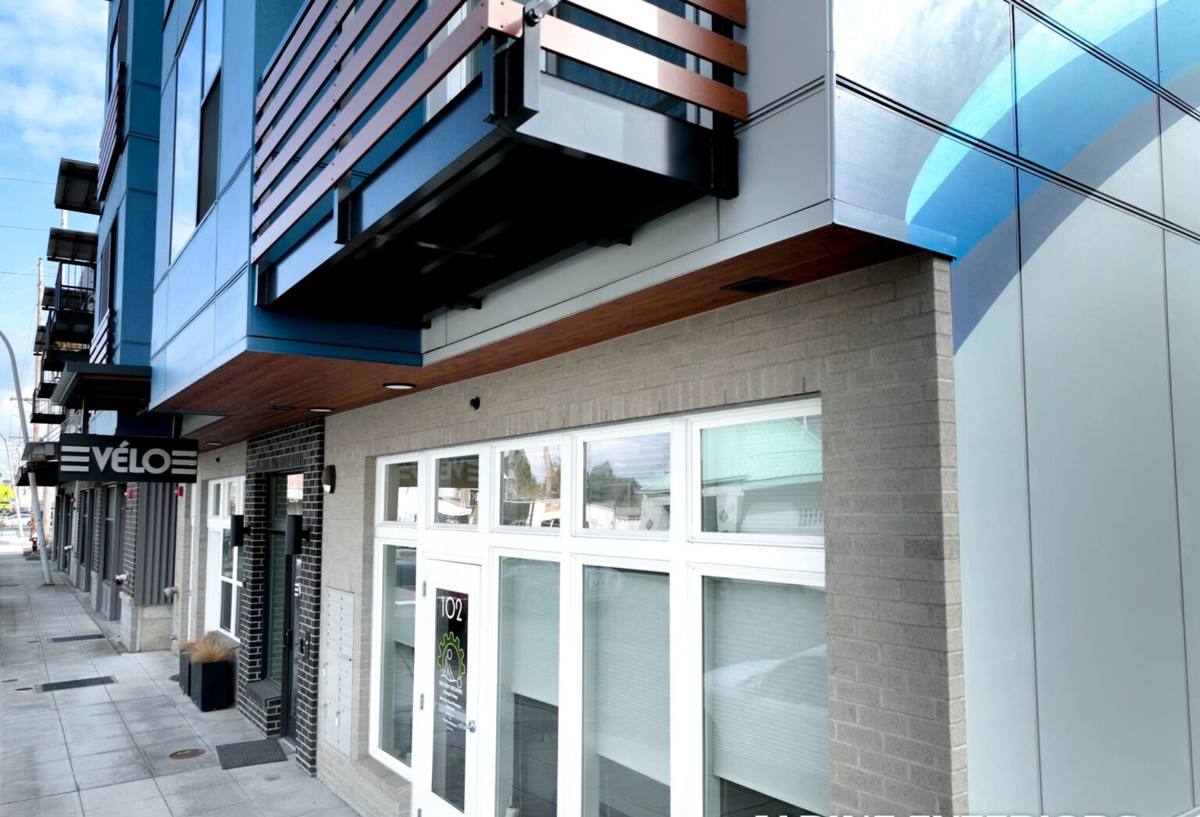
What Whatcom County Weather Actually Does to Siding
Moisture That Doesn't Quit
Rain here isn't just frequent, it's often wind-driven, which means it doesn't fall straight down — it gets pushed sideways into wall assemblies, especially on west- and south-facing exposures. Siding that relies on paint film or a thin factory coating to keep water out starts absorbing moisture at the seams and fastener points long before most homeowners notice anything on the surface.
Moss, Algae, and Constant Shade
Acme's tree cover is a blessing for privacy and a problem for siding. Shaded, low-airflow wall sections stay damp for days after a storm, and that's exactly the environment moss and algae need to take hold. Once organic growth establishes itself on a wall, it holds moisture against the surface even longer, which accelerates whatever damage the material was already prone to.
Salt Air and Coastal Drift
Whatcom County isn't right on the open ocean, but marine air moves inland regularly, and that salt-laden moisture is corrosive to fasteners, staples, and unprotected trim over time. It also speeds up the breakdown of lower-grade paint finishes, which is part of why re-painting cycles on this coast tend to run shorter than manufacturers' national averages suggest.
Why We Only Install James Hardie Here
We don't install vinyl, LP SmartSide, Cemplank, Allura, primed spruce, or cedar. That's a deliberate standard, not a lack of options. Each of those products has real strengths, but each also has a trade-off that shows up faster in a climate like this one — vinyl can warp and doesn't stop moisture at the seams, engineered wood products depend heavily on perfect field caulking and painting to stay sealed, and natural wood needs a maintenance commitment most homeowners don't want to sign up for indefinitely.
James Hardie's fiber cement is engineered specifically for climates with heavy moisture cycling. The HZ5 product line used in this region is formulated to resist moisture absorption, and the ColorPlus factory finish is baked on under controlled conditions rather than applied on-site — which matters enormously in a place where field-painted trim never gets a full, uninterrupted dry cure before the next rain rolls through. Hardie board is also non-combustible, which matters given the wildfire smoke and ember exposure that reaches Western Washington in dry summer stretches, and it carries a strong transferable warranty when installation follows spec.
What a Correct James Hardie Installation Involves
Hardie siding is only as good as the installation behind it. A rushed or spec-ignoring crew can install the same boards we do and still end up with a wall that traps moisture in five years. The details that separate a correct install from a problem waiting to happen include:
- Proper weather-resistant barrier (WRB): continuous, correctly lapped house wrap or building paper behind the siding, with all penetrations flashed before a single board goes up.
- Starter strip and clearances: siding held off decks, patios, and grade per Hardie's minimum clearances so water can't wick up into the bottom edge of the boards.
- Flashing at every horizontal surface: window heads, door heads, and any trim-to-wall transition where water naturally collects.
- Correct fastening pattern: nails placed per Hardie's fastener spec, not overdriven, so the board isn't cracked or left able to move and work the caulk joints loose.
- Caulking only where Hardie calls for it: butt joints and trim transitions sealed with a high-quality, paintable sealant — not over-caulked in a way that traps moisture behind the board.
- Weep path at the foundation line: a weep screed or equivalent detail so incidental moisture can drain out instead of pooling at the bottom course.
None of this is unusual or exotic — it's simply what the manufacturer's installation manual requires. The problem is that skipping steps is invisible on installation day and only shows up as a callback two or three winters later, which is long after a corner-cutting crew has moved on.
Comparing the Realistic Options
| Material | Moisture Behavior in Wet, Shaded Areas | Moss/Algae Resistance | Fire Rating | Typical Maintenance |
|---|---|---|---|---|
| James Hardie fiber cement | Engineered to resist moisture absorption; factory-sealed edges | Good with normal cleaning; ColorPlus finish resists staining better than field paint | Non-combustible | Occasional rinse; repaint only if field-painted trim ages out |
| Vinyl siding | Doesn't absorb, but seams and panels can allow water behind the wall if not detailed carefully | Moderate; growth sits on the surface and needs regular washing | Combustible, can deform in heat | Low, but panels can warp or crack over decades |
| LP SmartSide / engineered wood | Performs well when sealed edges stay intact; vulnerable at cut ends and gaps | Moderate; dependent on paint film staying intact | Combustible | Regular inspection of caulk and paint lines |
| Cedar / primed spruce | Absorbs moisture readily; performance depends heavily on upkeep | Prone to moss and mildew in shaded, damp spots | Combustible | Recurring painting/staining and moisture inspection |
Our Process for Acme Homeowners
- Walk-around assessment: we look at your home's actual exposure — which walls take the worst wind-driven rain, which sections stay shaded and damp, where moss has already established itself.
- Tear-off and sheathing check: once the old siding is off, we inspect the sheathing and framing underneath for any moisture damage that needs to be addressed before new siding goes on. Covering up a hidden problem is how small issues turn into expensive ones.
- Weather barrier repair or replacement: we don't reuse a compromised WRB just to save a step. If it's damaged or improperly lapped, it gets corrected.
- Installation to Hardie's spec: flashing, clearances, fastening, and caulking done the way the manufacturer's manual requires — not the fastest way to get boards on the wall.
- Final walkthrough: we go over the finished job with you, including care recommendations specific to your home's exposure.
Why a Crew That Already Works This Area Matters
A contractor who mostly works drier, more open parts of the state can still install Hardie board competently and still hand you a wall that struggles here, simply because they're not thinking about Acme's shade patterns, the direction the wind-driven rain hits your particular lot, or how much longer wet-dry cycles run in a wooded, moisture-heavy setting compared to more exposed sites nearby. A crew that regularly works the Lynden area brings that judgment to the job without you having to explain it — where extra flashing attention pays off, which wall orientations need the most careful sealing, and what kind of moss and algae exposure to expect once the job is done.
That local familiarity also shows up in smaller ways: knowing typical construction details found in homes of this area's era, understanding permitting expectations in Whatcom County, and having a realistic sense of how the job needs to be sequenced around this region's weather windows rather than fighting the rain schedule.
Maintenance: What to Actually Expect
Correctly installed James Hardie siding is low-maintenance, not no-maintenance. In an area like Acme, that means:
- An occasional gentle rinse to clear off pollen, dust, and early moss growth before it establishes, especially on shaded walls.
- Keeping gutters and downspouts clear so overflow doesn't run down the face of the siding and keep a section perpetually wet.
- Keeping vegetation and tree limbs trimmed back from the walls to improve airflow and sun exposure where possible.
- A visual check of caulk lines every year or two, since caulk — not the board itself — is usually the first thing to need attention.
Signs Your Current Siding Is Already Losing the Fight
- Persistent moss or dark staining that comes back within weeks of cleaning
- Soft or spongy spots when you press on the siding, especially near the bottom courses
- Paint that's bubbling, peeling, or chalking heavily on one side of the house more than others
- Visible gaps opening up at seams, corners, or trim boards
- A musty smell near exterior walls inside the home, which can indicate moisture getting past the siding
If any of that sounds familiar, it's worth having someone look before the next wet season adds to the damage.
Let's Take a Look at Your Home
Every property in Acme carries its own mix of sun, shade, and wind exposure, and that's exactly what shapes the right approach to your siding. If you'd like an honest, no-pressure assessment of what your home needs, use the form below to request a free estimate.