 Lynden Siding
 Blaine's Coastal Climate Puts Real Demands on Siding
Blaine sits right on the water at the northwest corner of Whatcom County, which means homes here deal with a combination that inland neighborhoods don't see nearly as much: salt-laden marine air, wind-driven rain coming straight off the coast, and a wet season that runs long enough for moss and algae to get a real foothold on north- and west-facing walls. Any one of those on its own is manageable. Together, over years, they expose weak points in siding fast — especially at seams, corners, and anywhere water can find a way behind the surface.
This page is specifically about fiber cement siding for Blaine homes, not siding in general. The material, the detailing, and the install sequence all need to answer to this specific climate, and that's what we'll walk through here.
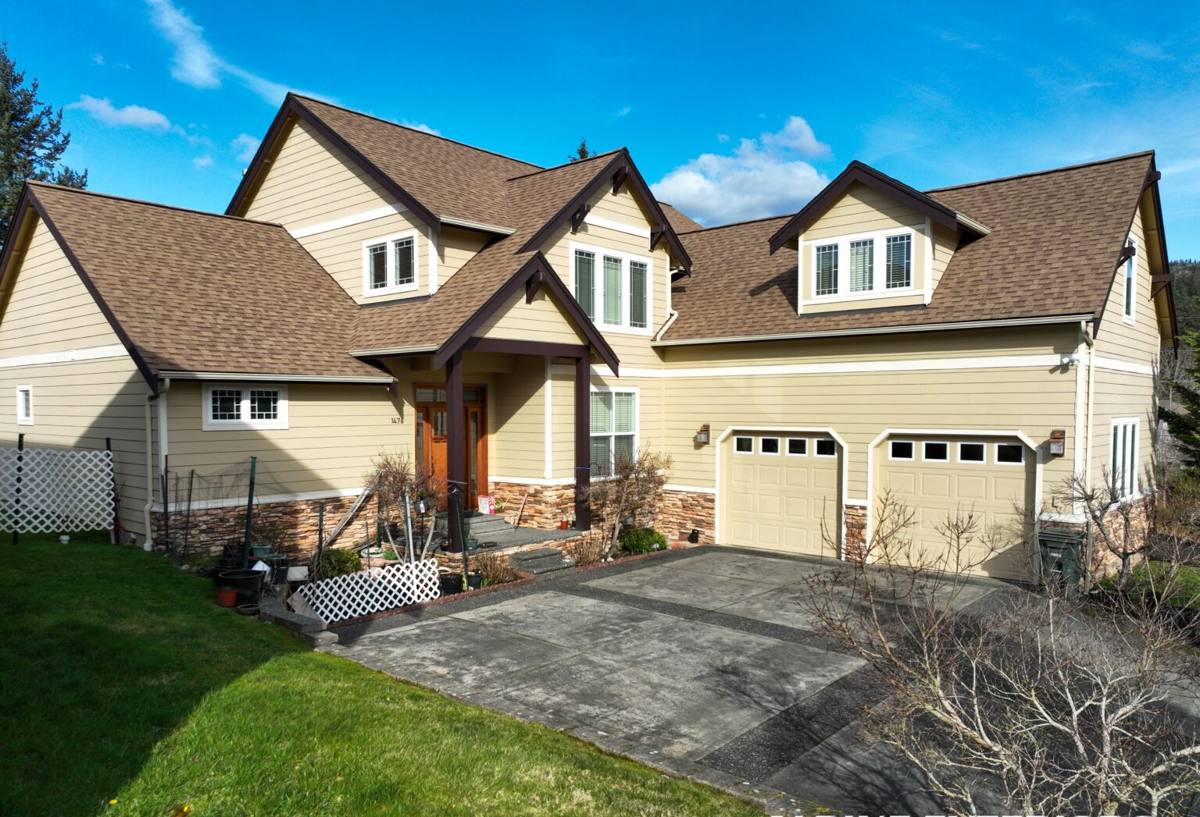
What Siding Actually Needs to Do in This Environment
A lot of siding failures we get called out to inspect in coastal Whatcom County aren't really about the siding material failing outright — they're about water getting past it and doing damage from behind, or moisture sitting on the surface long enough for organic growth to take hold. In Blaine specifically, that means siding needs to handle:
- Wind-driven rain that gets pushed sideways and upward into laps, corners, and trim joints instead of just running straight down
- Salt-bearing air that accelerates corrosion of exposed fasteners and lower-quality trim hardware over time
- Extended damp periods that keep painted or absorbent surfaces wet longer, which is exactly what moss and algae need to establish
- Temperature swings between damp mornings and drier afternoons that stress caulked joints and any material prone to swelling
Siding that isn't engineered or installed with this in mind doesn't fail overnight. It fails slowly, at the seams first, then spreads.
Why We Install James Hardie Fiber Cement — and Only That
Lynden Siding Contractors installs James Hardie fiber cement siding exclusively. We don't install vinyl, LP SmartSide, Cemplank, Allura, or bare cedar or primed spruce siding, and we're upfront with Blaine homeowners about why: fiber cement is non-combustible, it doesn't rot the way untreated wood products can, and it holds a factory-applied ColorPlus finish that's designed to resist fading and moisture intrusion far better than field-applied paint on wood or engineered wood substrates.
Hardie also builds its siding in climate-specific formulations under its HZ5 and HZ10 engineering system, meaning the product itself is manufactured with regional moisture and temperature exposure in mind rather than being a one-size-fits-all board. For a marine climate like Blaine's, that engineering isn't a marketing detail — it's the difference between siding that shrugs off decades of salt air and rain, and siding that needs constant upkeep to survive the same conditions.
How Fiber Cement Compares in a Marine Climate
| Material | Moisture/Rot Resistance | Salt Air Durability | Moss/Algae Resistance | Ongoing Maintenance |
|---|---|---|---|---|
| James Hardie Fiber Cement | High — cement-based, doesn't absorb and swell like wood | High when properly flashed and fastened | High — factory finish resists organic growth better than bare or painted wood | Low — occasional rinse, no repainting cycle |
| Vinyl Siding | Moderate — doesn't rot, but seams and J-channels can trap moisture | Moderate — can become brittle and discolored faster in salt air | Moderate — smooth surface but algae can still cling in shaded, damp areas | Low, but prone to warping/cracking that can't be spot-repaired invisibly |
| Cedar / Untreated Wood | Low to moderate — needs consistent sealing to resist rot | Low — salt air accelerates weathering and finish breakdown | Low — organic material is the most moss/algae-prone option | High — regular refinishing and inspection required |
| Engineered Wood (e.g. LP SmartSide) | Moderate — treated to resist moisture but still wood-based | Moderate — dependent on maintaining the factory coating intact | Moderate — better than raw wood, still organic substrate | Moderate — edge sealing and touch-up matter more in wet climates |
What a Correct Fiber Cement Installation Involves
Fiber cement siding is only as good as the installation behind it. In a climate like Blaine's, the details that get skipped on a rushed job are exactly the ones that cause problems in year three or four, not year one — so they're easy to miss on a quick inspection but expensive to ignore.
Moisture Management Behind the Siding
Correct installation starts with a weather-resistive barrier and properly integrated flashing at every window, door, and penetration, plus a drainage plane that lets any moisture that does get behind the siding escape rather than sit against the sheathing. This matters more in Blaine than it would inland, simply because there's more moisture in the air for more of the year to find its way in.
Fastening and Clearances
Fasteners need to be corrosion-resistant and set to Hardie's specifications — not just for holding power, but because the wrong fastener in a salt air environment corrodes faster and can streak or stain the finish. Siding also needs proper clearance from grade, roof lines, and decks so water isn't wicking up into the bottom edge of the boards.
Caulking, Trim, and Joints
Every horizontal joint and trim intersection is a place water can try to get in. We follow Hardie's joint treatment and caulking guidance closely, because in a climate with this much wind-driven rain, a joint that's "close enough" inland is a real vulnerability on the coast.
Our Process for Blaine Homeowners
Assessment
We start by walking the exterior with you, looking at how the home is currently handling moisture — where paint or old siding is failing, where moss has taken hold, and where flashing or trim may already be letting water in. This tells us what we're working with before any siding comes off.
Installation
We remove old siding down to the sheathing rather than installing over it, so we can inspect for hidden moisture damage and install the weather barrier and flashing correctly from scratch. Hardie boards, panels, or trim go on to manufacturer spec, with attention to the joint and fastening details above.
Final Walkthrough
Before we consider the job done, we walk the exterior again with you, checking caulking lines, trim work, and clearances, and answering any questions about how the new siding should be cared for going forward.
Why a Crew That Already Works in Blaine Matters
Coastal Whatcom County jobs are not the same as jobs ten or fifteen miles inland. A crew that mostly works drier, more sheltered sites can still do competent work, but they're not necessarily thinking about wind-driven rain angles, salt-air fastener corrosion, or where moss tends to establish first on a home this close to the water. A crew that already does this work in Blaine has seen where those problems actually show up on real homes in this exact setting, and builds the job around avoiding them from the start — not just meeting a generic installation standard.
Cost Factors for Fiber Cement Siding in Blaine
Every home is different, so we don't quote sight unseen — but these are the main factors that move the price of a fiber cement project up or down, and it's worth understanding them before you get quotes:
| Factor | Why It Matters | General Cost Impact |
|---|---|---|
| Tear-off vs. install over existing siding | Full tear-off lets us inspect sheathing and correct hidden moisture damage — important in a wet climate | Moderate to high |
| Siding profile (lap plank, panel, or shingle style) | Different Hardie product lines have different material and labor requirements | Low to moderate |
| Trim and detail work | More corners, windows, and architectural trim mean more flashing and joint work | Moderate |
| Home size and stories | Taller homes need more staging/access and more linear footage of material | Moderate to high |
| Underlying repairs found at tear-off | Rot or moisture damage discovered behind old siding needs to be addressed before new siding goes on | Varies by home |
Signs Your Current Siding Is Losing the Battle
If you're not sure whether your siding is holding up to Blaine's climate or quietly losing ground, look for these signs:
- Persistent moss or dark green/black staining on north- or west-facing walls that comes back soon after cleaning
- Paint that's peeling, bubbling, or chalking, especially near the bottom edges of siding or around trim
- Soft or spongy spots when you press on wood-based siding, particularly near grade or under downspouts
- Visible rust streaking below fasteners or trim fixtures
- Gaps opening up at corner boards, window trim, or siding joints
- Siding that's warped, buckled, or pulling away from the wall in sections
Any of these on their own might be minor. Several together usually mean water has already been getting behind the siding for a while.
Living With Fiber Cement Siding on the Coast
One of the practical advantages of properly installed Hardie siding in a place like Blaine is how little upkeep it asks for compared to painted wood or engineered wood products. An occasional rinse to knock down salt residue and any early moss growth, a periodic look at caulked joints, and keeping gutters and downspouts clear so water isn't dumping directly onto siding are really the main tasks. There's no repainting cycle to plan around, and the factory finish is doing most of the work of resisting the moisture and salt exposure that would otherwise wear on the surface year after year.
If you're weighing your options for a siding project in Blaine, we're happy to take a look at your home, walk you through what we're seeing, and put together a straightforward estimate — no pressure, no obligation, just a clear picture of what the job involves.