 Lynden Siding
 Siding Built for Custer's Coastal Exposure
Custer sits close enough to the water that homes here take a different kind of weathering than siding just a few miles inland in Lynden. Salt-laden air off the coast, wind-driven rain that gets pushed sideways into wall assemblies, and a moss season that can run eight or nine months out of the year all work on exterior siding at the same time. Any one of these on its own is manageable. Together, they shorten the life of the wrong siding material fast — and they're exactly why we install James Hardie fiber cement exclusively, with nothing else on our truck.
This page focuses on one thing: what a correct James Hardie installation looks like on a Custer home, and why the details matter more here than they would in a drier, more sheltered part of Whatcom County.
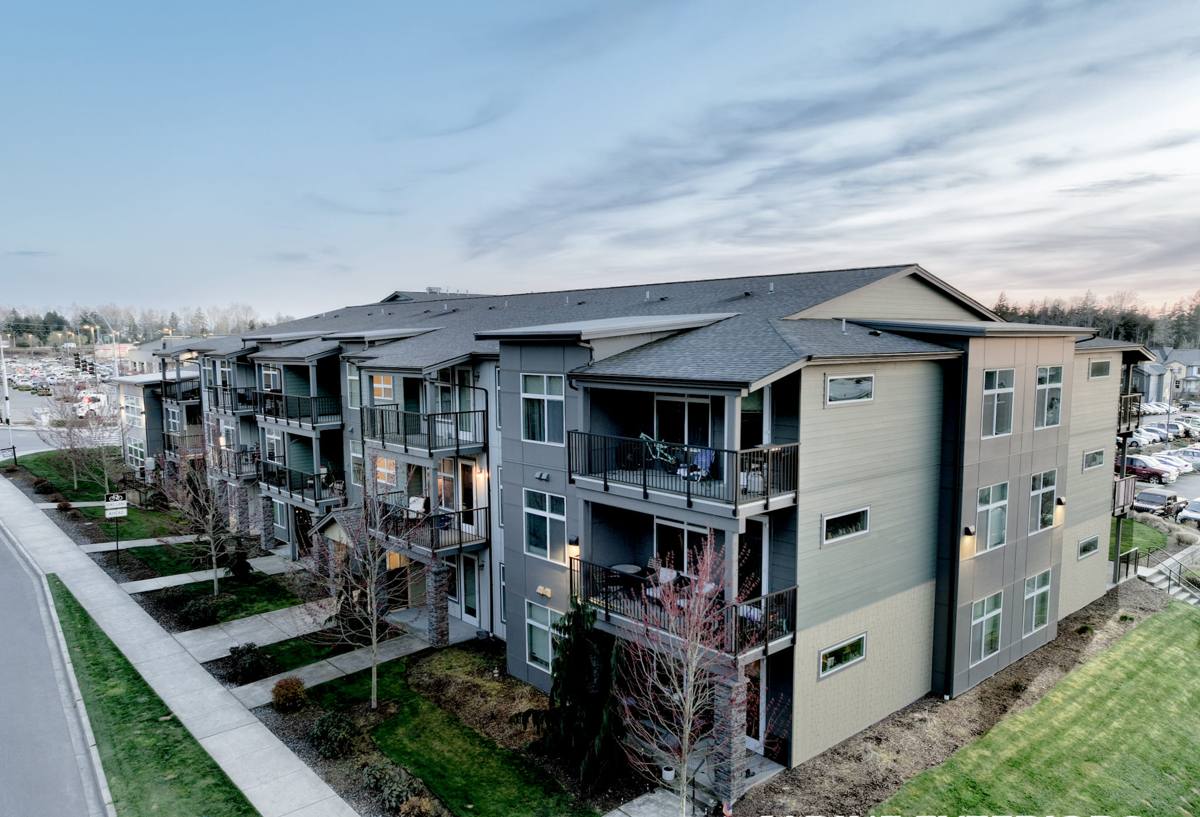
What Salt Air, Rain, and Moss Actually Do to Siding
Salt Air
Airborne salt is corrosive to metal and can accelerate the breakdown of coatings and adhesives on some siding materials, especially at fastener heads, trim joints, and any exposed edge. It doesn't take a beachfront lot to be affected — salt travels on wind currents well inland from the shoreline, so Custer properties get a steady, low-level dose of it even a mile or two off the water.
Driving Rain
Whatcom County's weather pattern pushes a lot of rain in horizontally rather than straight down, especially during fall and winter storms. That means siding here has to shed water sideways, not just downward — which puts real pressure on lap overlaps, butt joints, window and door flashing, and anywhere two pieces of siding meet. A product or installation that only handles vertical rain well will struggle in this exposure.
Moss and Sustained Moisture
Long stretches of overcast, damp weather mean siding surfaces stay wet longer than they would in a sunnier climate. That extended moisture window is what lets moss, algae, and mildew establish themselves on siding, trim, and especially north-facing or shaded wall sections. Materials that absorb moisture rather than shed it are far more vulnerable to this kind of growth, and once organic growth takes hold, it holds moisture against the surface even longer — a cycle that compounds over the years.
Why We Install Only James Hardie in This Area
We don't carry vinyl, LP SmartSide, primed wood, cedar, or other fiber cement brands, and Custer's climate is a big part of why. James Hardie's fiber cement formulation is non-combustible and dimensionally stable in a way that holds up to repeated wet-dry cycling without the warping, swelling, or delamination that wood-based and some engineered wood products can experience over time in a marine climate. Its factory-applied ColorPlus finish is baked on under controlled conditions, which gives it more consistent, long-term color and moisture resistance than field-applied paint on other materials — an advantage that matters more here, where surfaces stay damp longer and coatings get tested harder.
We're not saying every alternative product fails in every installation. We're saying that after years of doing exterior work in this specific climate, James Hardie is the one system we're comfortable standing behind on every job, and we'd rather specialize in doing one thing right than spread ourselves across products we have reservations about recommending here.
Choosing the Right Hardie Line for Custer
James Hardie makes climate-specific product engineering, and homes in this part of Washington fall into Hardie's HZ5 zone, formulated for wetter, harsher climates. Beyond that baseline, homeowners in Custer typically choose between a few product styles based on the look they want and how their home is exposed to the weather:
| Product Line | Best Suited For | Key Consideration |
|---|---|---|
| HardiePlank Lap Siding | Most home styles; the most common choice | Overlap detailing must be tight for driving rain resistance |
| HardiePanel Vertical Siding | Modern styles, accent walls, gable ends | Needs correct joint treatment (battens or sealed joints) to shed water |
| HardieShingle Siding | Craftsman and cottage-style homes | More surface area and detail work; benefits from careful flashing at transitions |
| HardieTrim Boards | Corners, window and door trim, fascia | Critical water-management point — poor trim detailing is a common failure source |
We walk through these options with every Custer homeowner during the estimate, factoring in the home's exposure to prevailing wind and rain, existing trim conditions, and the look they're going for.
What a Correct Installation Involves
James Hardie siding is only as good as the installation behind it. In a climate like Custer's, a handful of details separate a siding job that lasts decades from one that develops problems within a few years:
- Weather-resistive barrier and flashing integration — the house wrap and flashing at windows, doors, and penetrations need to work together so water is directed out, not trapped behind the siding.
- Proper clearance and gaps — Hardie specifies minimum clearances from grade, roofing, decks, and other surfaces, plus expansion gaps at joints. Skipping these is one of the most common causes of moisture intrusion.
- Correct fastening — nail placement, spacing, and depth all affect how well the siding resists wind-driven rain and how it performs over time as the material and structure move slightly with temperature and moisture changes.
- Caulking and sealant at the right joints only — Hardie's design relies on some joints shedding water by design rather than being fully sealed; over-caulking can trap moisture instead of releasing it.
- Trim and corner detailing — outside corners, inside corners, and butt joints are where driving rain finds its way in if they're rushed.
None of this is unique to Hardie products, but it matters more in a coastal-influenced climate where installation mistakes get tested by weather far more often than they would somewhere drier.
Our Process, Start to Finish
For a Custer siding project, our process generally follows the same sequence every time:
- On-site assessment — we look at the existing siding, trim, flashing, and any moisture or moss issues already present, and check how the home is exposed to prevailing wind and rain.
- Product and color selection — we go over Hardie's product lines and ColorPlus color options based on the home's style and exposure.
- Written estimate — a clear scope of work and cost breakdown before anything is scheduled.
- Removal and prep — old siding comes off, and we inspect the sheathing underneath for any hidden moisture damage before it gets covered up again.
- Weather barrier and flashing installation — this step gets done right the first time, since it's invisible once the siding goes on.
- Hardie siding installation — following manufacturer specifications for clearances, fastening, and joint treatment.
- Final trim, caulking, and cleanup — finishing details and a final walkthrough with the homeowner.
Maintenance Custer Homeowners Should Expect
James Hardie siding is low-maintenance compared to wood or other fiber cement products, but "low-maintenance" isn't "no-maintenance," especially in this climate. A reasonable annual routine includes:
- Rinsing siding gently to remove salt residue, pollen, and surface grime — a garden hose is usually enough; avoid high-pressure washing directed at joints and seams.
- Checking north-facing and shaded sections for early moss or algae growth and treating it before it spreads.
- Inspecting caulking at trim and window joints yearly, since sealant is one of the few components that does wear out over time.
- Keeping gutters clear so overflow doesn't run down the siding face or pool at the base of walls.
- Trimming back landscaping and tree cover that keeps siding shaded and damp for extended periods.
What Affects the Cost of a Siding Project
Every Custer home is different, but the same handful of factors drive most of the cost variation we see:
| Factor | Why It Matters |
|---|---|
| Home size and wall complexity | More corners, gables, and cutouts mean more labor and trim work |
| Condition of existing sheathing | Hidden moisture damage found during removal can add repair work |
| Product line selected | Lap, panel, and shingle styles have different material and labor requirements |
| Trim and accent detail | Extensive trim work adds both material cost and installation time |
| Access and site conditions | Steep lots, tight setbacks, or limited equipment access can affect labor time |
We give a specific number only after seeing the home in person — anything else would just be a guess.
Why Local Experience in Custer Matters
A crew that already works this stretch of Whatcom County knows what to expect before they show up: how exposed a given lot is likely to be, how long moss season really runs here, and where driving rain tends to find weak spots in older siding and trim. That familiarity shows up in small decisions throughout a project — how much clearance to leave, where to pay extra attention to flashing, which sections of a home are most likely to need moss treatment down the road. It's the difference between a generic installation and one that's actually built for the conditions the home will face year after year.
If you're considering new siding for a Custer home, we're happy to take a look and walk you through your options. Reach out for a free, no-pressure estimate — there's no obligation, and it's the best way to get a real answer specific to your home.