 Lynden Siding
 Why Blaine Siding Takes a Different Approach
Blaine sits right on the water at the northwest corner of Whatcom County, and that location changes what a siding job needs to survive. Homes here deal with salt-laden air coming off Semiahmoo Bay and Drayton Harbor, wind-driven rain that doesn't just fall straight down but gets pushed sideways into wall assemblies, and a long, damp moss season that runs from fall through spring. None of that is unique to any one house on any one street — it's the baseline condition for siding anywhere close to this coastline, and it's the reason a siding installation that would hold up fine forty miles inland can fail early out here.
Salt air is corrosive to exposed metal fasteners and trim, and it accelerates the breakdown of coatings and caulking that aren't rated for it. Combine that with near-constant moisture and short windows of direct sun, and you get siding surfaces that stay damp longer, grow moss and algae faster, and put more stress on every seam, joint, and fastener than the same product would see in a drier climate. A correct installation in Blaine has to account for all of that from the first course to the last piece of trim — it's not something you can compensate for after the fact with extra caulk or a pressure wash.
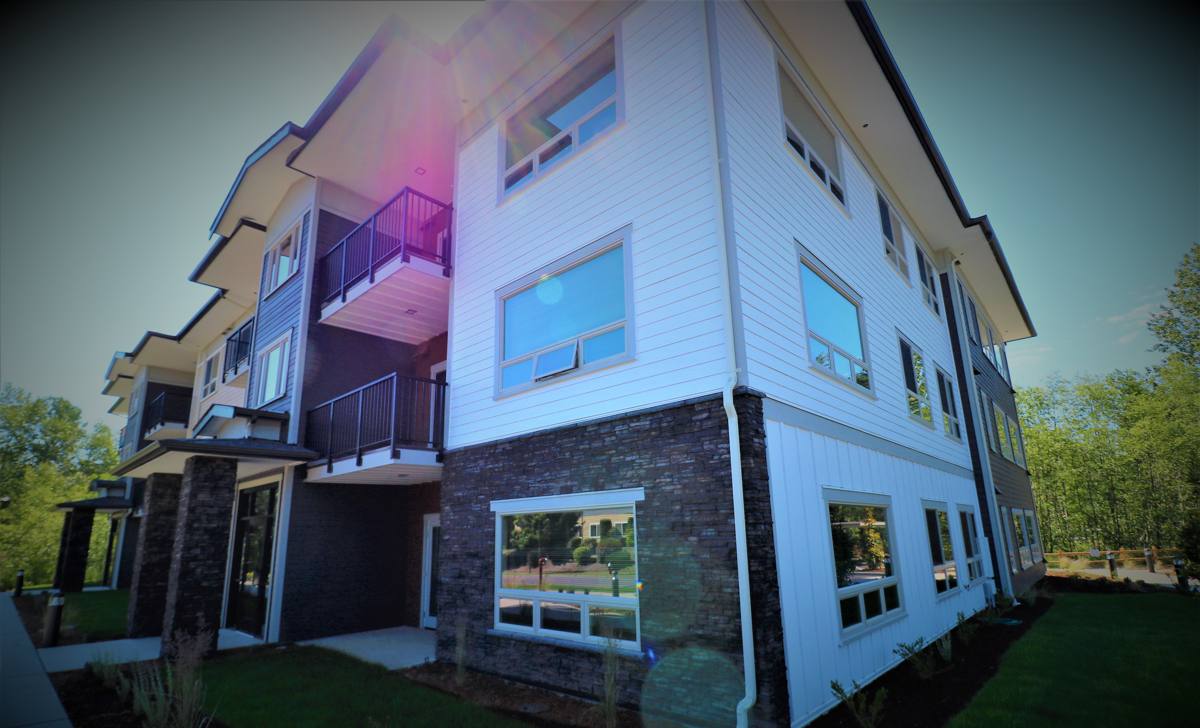
What Blaine's Climate Actually Does to Siding
Salt Air and Corrosion
Airborne salt settles on exterior surfaces and works into any gap, fastener head, or unsealed edge. Over years, it corrodes ordinary fasteners, degrades cheap trim coatings, and speeds up the failure of caulk joints that were never rated for marine-adjacent exposure. Materials and hardware need to be chosen with that in mind, not just for their looks.
Driving Rain and Wind Load
Storms coming off the Strait of Georgia and the Salish Sea don't arrive as gentle vertical rainfall — they push moisture sideways under laps, around window and door openings, and into any seam that isn't properly lapped or flashed. A siding system that relies on face-sealing (caulk alone, with no drainage path behind it) is a bad match for this kind of weather. Water needs somewhere to go once it gets past the outer surface, which is why the water-resistive barrier and flashing details behind the siding matter as much as the siding itself.
Moss, Algae, and Prolonged Dampness
Blaine's long stretch of overcast, damp weather means north-facing and shaded wall sections can stay wet for days at a time. That's ideal growing conditions for moss and algae, which hold moisture against the siding surface and, on the wrong material, can contribute to slow deterioration if left unaddressed. Products that absorb water or swell when saturated are especially vulnerable in these conditions.
Why We Install Only James Hardie Fiber Cement
We standardized on James Hardie fiber cement siding for every home we work on, including here in Blaine, and the coastal climate is a big part of why. Fiber cement doesn't absorb water the way wood-based or wood-fiber products can, it's non-combustible, and James Hardie's factory-applied ColorPlus finish is baked on and warrantied to resist fading and chipping in ways field-applied paint typically can't match. Hardie also engineers specific product lines (HZ5, for example) for wetter, more variable climates like ours in the Pacific Northwest — the formulation and installation specs are built around performance in exactly this kind of weather, not a generic national average.
We get asked why we don't install vinyl, LP SmartSide, primed spruce, cedar, or other fiber cement brands. The honest answer is trade-offs. Vinyl can warp and doesn't hold up as well against salt-air degradation of its fasteners and trim over decades. Wood-based products, even engineered ones, are more sensitive to sustained moisture exposure than fiber cement. Cedar and primed spruce need more frequent maintenance to keep coatings intact, which is a harder ask in a climate where things stay damp for long stretches. None of those products are bad on their own terms — they just aren't what we'd choose to put on a home a few hundred yards from saltwater, and we'd rather turn down a job than install something we don't think will hold up here.
| Material | Moisture Behavior in Coastal Climate | Maintenance Burden | Typical Longevity Here |
|---|---|---|---|
| James Hardie fiber cement | Does not absorb water; resists swelling and rot | Low — factory finish, occasional wash | Decades, per manufacturer warranty terms |
| Vinyl siding | Doesn't absorb water but can warp/crack; fasteners and trim vulnerable to salt corrosion | Low, but limited repair options once damaged | Variable, shorter in high-wind/salt exposure |
| Cedar / primed wood | Absorbs moisture; prone to swelling, checking, rot if coating fails | High — repainting/resealing on a recurring cycle | Shorter without diligent upkeep |
| LP SmartSide (engineered wood) | More moisture-resistant than raw wood but still wood-based; edge sealing is critical | Moderate — coating and seam maintenance matters | Depends heavily on installation quality |
What a Correct Siding Installation Involves
The siding itself is only part of the system. In a climate like Blaine's, the details behind and around the boards are what determine whether the job holds up.
- A continuous water-resistive barrier installed and lapped correctly, with no gaps for wind-driven rain to exploit
- Properly flashed windows, doors, and any wall penetrations, so water is directed out and away rather than trapped behind the siding
- Correct fastener type, spacing, and penetration depth per James Hardie's published installation specs — not generic guesses
- Proper clearance between the bottom edge of the siding and grade, decks, roofs, and other surfaces to avoid trapping moisture
- Factory-cut and factory-primed edges used wherever possible, since field-cut edges need to be sealed per manufacturer spec to maintain the warranty
- Correct caulking at butt joints and trim — enough to seal, not so much that it blocks the assembly's ability to drain and dry
Skipping any one of these doesn't usually cause an obvious problem in year one. It shows up two, five, or ten years later as a soft spot, a stained wall, or premature paint failure — by which point it's a repair job instead of a five-minute fix during installation.
Our Process for a Blaine Siding Installation
1. On-Site Assessment
We walk the exterior with you, look at what's currently on the walls, check for signs of existing moisture damage, and talk through what the house is dealing with — sun exposure, shade patterns, wind direction, proximity to the water. That assessment shapes the installation plan, not just the material choice.
2. Prep and Tear-Off
Old siding comes off, and we inspect the sheathing underneath for rot or damage before anything new goes up. Any water-resistive barrier that's compromised gets replaced — installing new siding over a bad barrier just locks the problem in.
3. Installation to James Hardie Spec
Fastening, flashing, clearances, and joint sealing are done to James Hardie's published requirements, which is also what keeps the manufacturer's warranty valid. This is the stage where climate-specific details — fastener spacing, drainage gaps, sealed cut edges — actually get executed.
4. Final Walkthrough
Before we call the job done, we walk it with you, point out anything you should know for maintenance, and make sure the finished work matches what was discussed at the start.
Why a Crew That Already Works Blaine Matters
We're based out of Lynden and work throughout Whatcom County, including Blaine on a regular basis, and that local familiarity isn't just a convenience — it affects the quality of the job. Knowing how a particular stretch of coastline handles wind-driven rain, how local permitting works, and what typically goes wrong on homes exposed to salt air means fewer surprises during the project and a plan that's built around real conditions instead of generic assumptions. It also means that if something needs a warranty look years down the road, you're calling a crew that's five minutes up the road, not a company that has to schedule a special trip.
Signs Your Blaine Home May Need New Siding
- Persistent moss or algae growth that comes back quickly after cleaning
- Soft spots, bubbling, or visible warping, especially on north-facing or shaded walls
- Paint or finish that's failing faster than it should, or peeling in patches
- Visible gaps, cracked caulk, or separation at seams and trim
- Rising energy bills that suggest the wall assembly isn't performing the way it used to
Any one of these on its own might just need a repair. Several at once, especially on a home that's had the same siding for a couple of decades, usually means it's worth a full assessment before small problems become structural ones.
Maintenance After Installation
James Hardie siding is low-maintenance, but "low" isn't "none" — especially in a climate that grows moss well. A yearly rinse-down (garden hose pressure, not a pressure washer aimed directly at seams), keeping gutters clear so water isn't overflowing onto wall sections, and trimming back vegetation that keeps a wall shaded and damp will go a long way toward keeping the ColorPlus finish looking the way it did on installation day.
If you're weighing siding options for a home in Blaine, we're happy to walk the exterior with you, talk through what your walls are actually dealing with, and give you a straightforward, no-pressure estimate — no obligation, just a real look at what the job would involve. Use the form below to get started.