 Lynden Siding
 Metal Roofing Built for Custer's Weather, Not Just Any Weather
Custer sits close enough to the water that salt-laden air is a fact of life, and far enough into Whatcom County's rain belt that roofs here spend most of the year wet, shaded, or both. That combination is hard on a roof. It's also exactly the kind of environment where metal roofing earns its keep, provided it's specified and installed correctly for this climate rather than treated like a generic upgrade. A metal roof that's right for a dry inland town isn't automatically right for a home a few miles from Birch Bay.
This page is about metal roofing for Custer homes specifically: what the local climate actually does to a roof over time, what a correctly built metal roof needs to hold up against it, and how our process works when we're on your property. We're not going to talk you into metal roofing if it's not the right fit for your house — but if you're considering it, here's what matters.
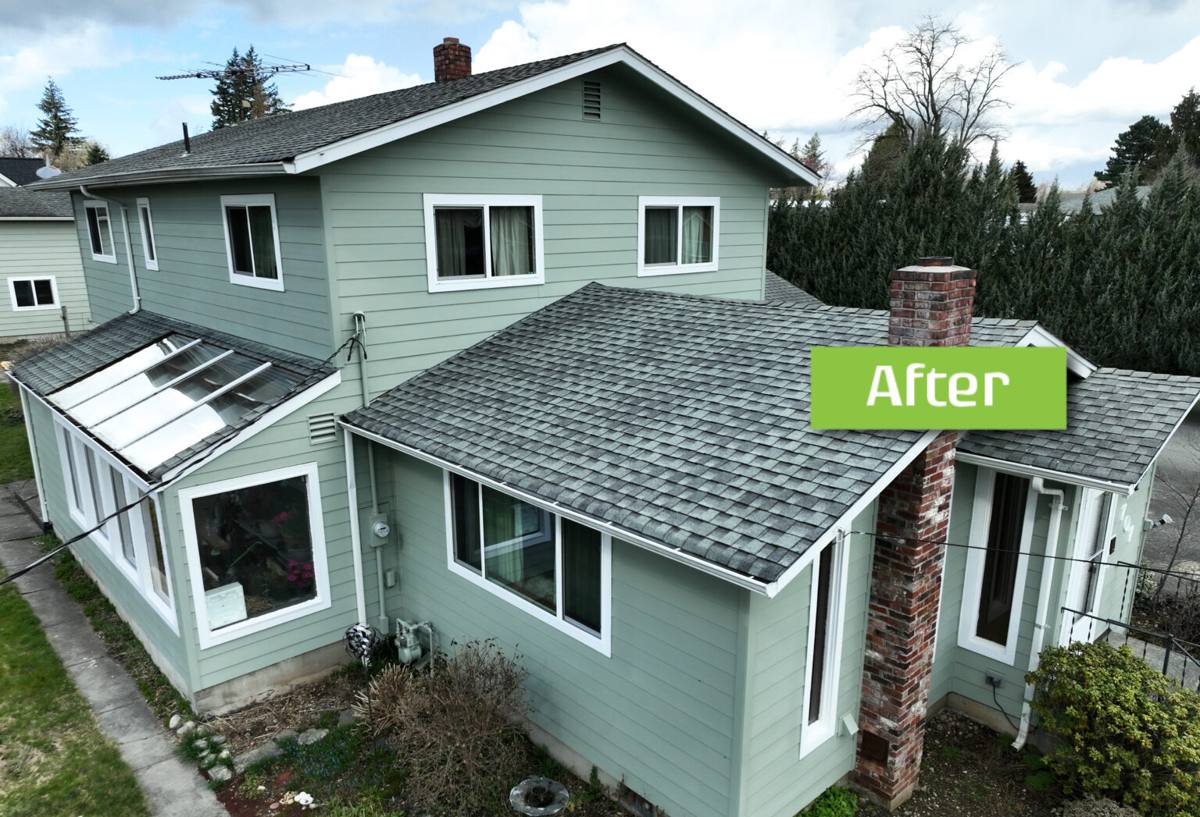
What Salt Air, Driving Rain, and Moss Season Do to a Roof
Salt Air and Corrosion
Airborne salt doesn't need to be visible to do damage. It settles on metal surfaces, fasteners, and flashing, and over years it accelerates corrosion — especially at cut edges, fastener heads, and anywhere the protective coating has been scratched or worn through. This is one of the biggest reasons material choice and finish quality matter more here than they would further inland.
Driving Rain and Wind-Driven Water
Whatcom County storms don't always come straight down. Wind-driven rain pushes water sideways and upward, testing every seam, lap, and penetration on a roof rather than just the open field of the material. A roof that sheds water fine in a gentle rain can still leak in a sideways storm if the underlayment, flashing, and fastening details weren't built for that scenario.
Moss, Algae, and Prolonged Moisture
Long stretches of overcast, damp weather give moss and algae plenty of time to establish, particularly on north-facing slopes, under tree cover, or anywhere debris collects. On traditional roofing materials, moss holds moisture against the surface and works into seams and granules. Metal roofing doesn't give moss the same texture to grip, but debris still needs to be kept off the panels and out of valleys, or organic buildup will hold moisture right where you don't want it.
Why Metal Roofing Makes Sense for This Area
Metal roofing handles the three stressors above better than most alternatives when it's installed correctly:
- Steep, slick panel surfaces give moss and algae far less to hold onto compared to textured materials
- Properly finished and fastened metal resists coastal corrosion far longer than untreated or poorly coated materials
- Continuous panel runs and engineered seams shed wind-driven rain instead of relying on gravity alone
- A correctly installed metal roof typically outlasts multiple cycles of asphalt shingle replacement, which matters when reroofing means dealing with damp, awkward weather windows
None of that is automatic. It depends on the panel system, the coating, the fasteners, and the crew doing the work — which is where a lot of metal roofing jobs go wrong even when the material itself was a good choice.
Comparing Metal Panel Types for a Custer Property
Not all metal roofing is the same product wearing different colors. The panel style you choose affects how well the roof handles salt exposure, wind-driven rain, and long-term maintenance.
| Panel Type | Best For | Coastal / Rain Performance | Maintenance |
|---|---|---|---|
| Standing seam (concealed fastener) | Homes wanting maximum longevity and a clean, modern look | Excellent — no exposed fasteners for salt air to attack, seams engineered to shed wind-driven rain | Low — occasional debris clearing |
| Exposed-fastener panel | Budget-conscious projects, outbuildings, some main roofs | Good, but exposed screws are a weak point over time near salt air and need periodic checking | Moderate — fastener washers can degrade and need replacement |
| Stone-coated steel | Homeowners wanting a shingle or shake look with metal's durability | Good — coating protects the steel, but installation detail at laps matters more | Low to moderate |
For most Custer homes we work on, standing seam is the strongest match for the local climate because it minimizes the exposed metal-to-fastener corrosion point that salt air targets first. That said, exposed-fastener systems are a legitimate, more affordable option for many structures when they're installed with the right fastener spec and maintained.
What a Correct Metal Roofing Installation Actually Involves
Deck Inspection and Prep
Before any panel goes down, the roof deck needs to be sound. Years of moisture intrusion from a failing old roof can soften sheathing, and metal roofing installed over a compromised deck won't perform the way it's supposed to, no matter how good the panels are.
Underlayment
Given how much wind-driven rain this area sees, underlayment is not a place to cut corners. A high-quality synthetic or self-adhered underlayment acts as the roof's real waterproofing layer — the metal above it is the first line of defense, but the underlayment is what protects you if wind pushes water past a seam or fitting.
Fastening and Panel Layout
Panel spacing, fastener type, and clip systems (for standing seam) all need to account for local wind exposure and thermal movement. Metal panels expand and contract with temperature swings, and a system that doesn't allow for that movement can develop stress points and eventual leaks at fastener locations.
Flashing and Penetrations
Chimneys, vents, skylights, and valleys are where most roof leaks actually start, metal or otherwise. Flashing details need to be built to shed water even when it's being driven sideways, with proper laps and sealant used correctly rather than as a substitute for good flashing geometry.
Ventilation
Proper attic ventilation keeps moisture from condensing under the roof deck, which matters year-round in a climate this damp. It also helps regulate temperature swings that affect how the metal panels expand and contract.
Cost Factors for a Custer Metal Roofing Project
Every property is different, but these are the main variables that move the price on a metal roof in this area:
| Factor | Why It Matters |
|---|---|
| Roof pitch and complexity | Steeper roofs and more valleys, dormers, or penetrations mean more labor and flashing detail |
| Tear-off vs. overlay | Removing old roofing lets us inspect and repair the deck, which matters given local moisture exposure |
| Panel type and gauge | Standing seam and heavier-gauge steel cost more upfront but hold up longer against salt air and storms |
| Coating and finish | Higher-grade coatings resist coastal corrosion and fading longer than basic finishes |
| Accessibility | Roof height, slope, and site access affect labor time and equipment needs |
We don't quote metal roofing off a square-footage average pulled from a national price list. We look at your actual roof, your actual exposure to weather and salt air, and give you a number based on what your project actually needs.
Our Process
- On-site inspection. We look at your existing roof, deck condition, ventilation, and any problem areas — including moss buildup, corrosion, or water staining that points to past leaks.
- Honest recommendation. We'll tell you whether metal roofing is the right call for your home and budget, including panel type options and why we'd recommend one over another for your specific exposure.
- Clear, written estimate. No pressure, no vague allowances — you'll know what's included before you commit to anything.
- Installation. Deck prep, underlayment, panel installation, and flashing work done to hold up against wind-driven rain and long-term salt exposure, not just look good on install day.
- Final walkthrough. We go over the finished work with you, including anything you should watch for or maintain going forward.
Why Hiring a Crew That Already Works This Area Matters
A contractor who mostly works drier, inland projects can still install a technically fine roof, but they may not think through the details that matter specifically here — fastener corrosion resistance, flashing built for sideways rain, or how much debris clearing a shaded, moss-prone roof actually needs. A crew that regularly works Whatcom County's coastal and near-coastal properties has already seen what fails first in this climate and builds around it from the start, rather than learning it on your roof.
That local familiarity also shows up in smaller ways: knowing how weather windows here affect scheduling, understanding typical roof ages and construction styles in the area, and being straightforward about what your specific property needs instead of a one-size-fits-all pitch.
Signs Your Roof May Be Ready for a Metal Roofing Conversation
- Heavy moss or algae growth that returns soon after cleaning
- Visible granule loss, curling, or cracking on an aging asphalt roof
- Water stains on interior ceilings after wind-driven storms
- Frequent minor repairs that never quite solve the underlying problem
- A roof original to the house that's approaching or past its expected lifespan
- Interest in reducing long-term maintenance rather than repeating repairs every few years
None of these automatically mean you need a new roof today, but they're worth having looked at by someone who isn't trying to upsell you.
If you're weighing metal roofing for your Custer home, we're happy to take a look and give you a straightforward assessment — no pressure, no obligation. Use the form below to request a free estimate, and we'll walk you through what your roof actually needs.