 Lynden Siding
 Windows Built for Deming's Wet, Shaded Conditions
Deming sits along the Mount Baker Highway corridor in the Nooksack River valley, tucked against timber and foothills east of Lynden. That setting is beautiful, but it's tough on windows. Homes here get less direct sun than properties out on the flats, which means siding and window frames stay damp longer after every storm. Add in the marine air that moves through the whole Whatcom County lowlands — carrying a faint salt load off the Salish Sea even this far inland — and you have a recipe for swelling wood sash, black mildew streaks on sills, and moss creeping into anywhere moisture sits still. Driving rain off the foothills doesn't just wet the glass; it drives sideways into any gap in flashing or caulk that a lesser install left behind.
Custom windows done right for this area aren't just about looks. They're about controlling moisture at every joint, choosing frame materials that won't rot or corrode under constant dampness, and installing with flashing details that assume the rain is coming in sideways — because out here, it often is.
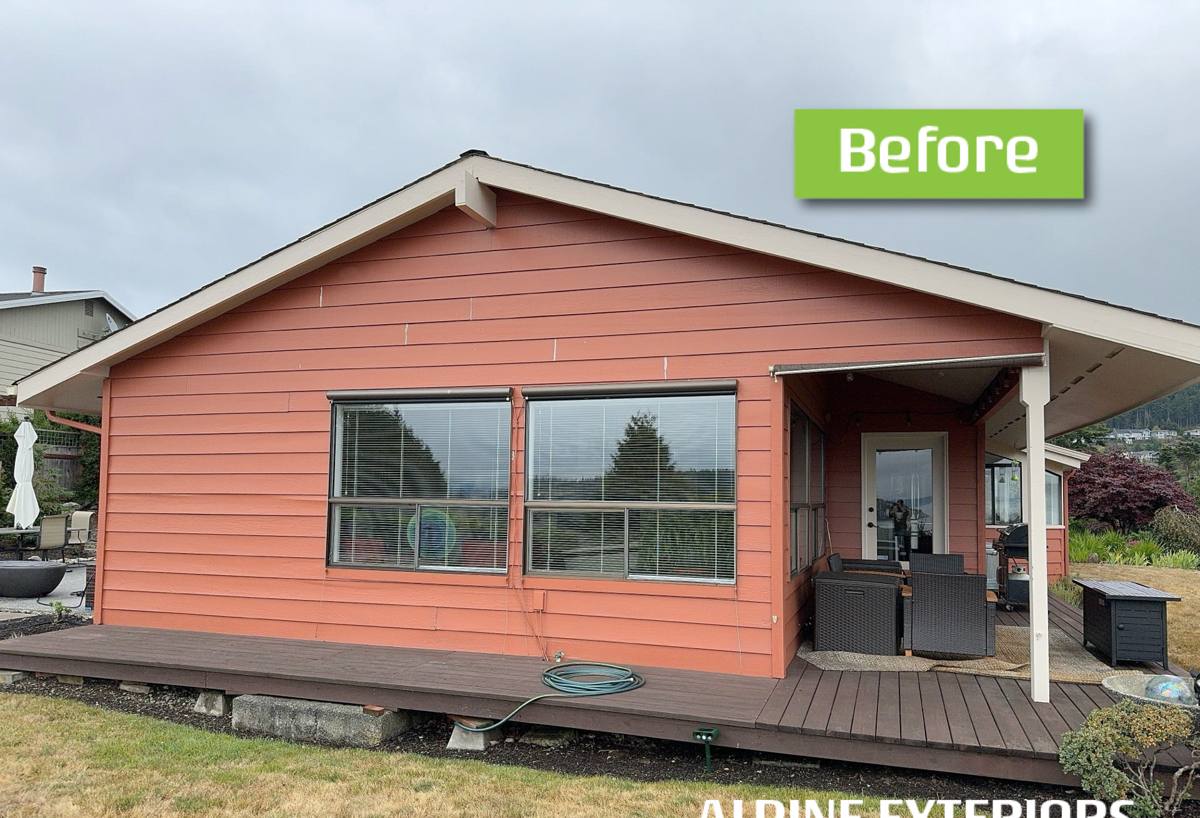
What "Custom" Actually Means for a Deming Home
Custom windows are built to the exact rough opening of your house rather than pulled off a shelf in a standard size. That matters a lot on older Deming properties, where additions, hand-framed openings, and decades of settling mean very few window openings are perfectly square anymore. A custom unit is measured to fit that specific opening, with the right amount of shim space for proper flashing and insulation — not forced in and caulked over.
Where Custom Sizing Pays Off
- Farmhouses and older homes off the highway with irregular or historic window openings
- Additions or bump-outs where the framing doesn't match the original house dimensions
- Homes replacing failed wood windows where the opening has shifted slightly over time
- Larger view windows facing the river valley or timber, where sightlines and sash proportions matter
- Any home where a stock size would leave a gap that gets packed with foam and hoped-for caulk
The Local Climate Problems We Actually See
On service calls throughout the Deming and greater Lynden area, the same handful of issues show up again and again:
- Sash swelling on older wood windows that never fully dry out between storms, making them stick or stop closing flush
- Moss and algae staining on sills and lower sash, especially on north- and east-facing walls shaded by trees
- Fogging between panes on older dual-pane units where the seal has failed and moist air has gotten between the glass
- Soft or rotted trim around the frame where caulk cracked years ago and water has been quietly working its way into the wood
- Condensation on the inside of the glass in winter, which often points to poor flashing or a frame that's no longer sealing evenly
None of these are cosmetic problems for long. Once water gets behind a frame, it's working on the framing lumber, the insulation, and eventually the interior wall finish — all hidden until the damage is significant.
Frame Material: What Holds Up Here
We steer customers away from bare wood exteriors and toward frame materials that don't need repainting or recaulking every few years to keep water out. That's not a knock on wood as a material — it's a maintenance-burden call, given how much moisture this valley sees for how many months of the year.
| Frame Material | How It Handles Deming's Climate | Maintenance Load |
|---|---|---|
| Vinyl | Won't rot, doesn't need painting, handles constant damp well | Low — occasional cleaning |
| Fiberglass | Very stable in temperature swings, strong seal retention over time | Low — durable finish |
| Wood-clad (wood interior, composite exterior) | Good look inside, protected exterior face resists moisture | Moderate — interior finish care |
| Bare wood | Classic look but exterior finish is exposed to full rain and shade cycle | High — repainting/recaulking on a regular cycle |
| Aluminum | Can develop condensation issues in cold, damp conditions without a thermal break | Moderate, depends on thermal break quality |
Most of what we install in Deming is vinyl or fiberglass for exactly this reason — they don't ask a homeowner to keep up a maintenance schedule just to keep water out.
Glass and Glazing That Matter Out Here
Glass choice affects more than energy bills in a shaded, damp valley — it affects condensation and mildew risk too.
Details worth getting right
- Double or triple pane with a quality low-E coating — keeps interior glass temperature closer to room temperature, which cuts down on the condensation that feeds mildew growth on sills
- Warm-edge spacer systems — the spacer between panes affects how much cold transfers to the edge of the glass, where condensation starts first
- Argon or krypton gas fill — a modest but real improvement in insulating performance for the shaded, cooler pockets of the valley
- Tight-sealing hardware — locks and latches that pull the sash fully closed matter more here, since a slightly open reveal is an invitation for driving rain
How Our Installation Process Works
The window itself is only half the job. Installation quality determines whether that window keeps water out for twenty years or five.
Step by step
- On-site assessment — we check existing openings for hidden rot, check current flashing condition, and measure exact rough openings
- Custom order — units are built to the measured opening, not a stock size, with the frame material and glass package that fits the home
- Removal and opening prep — we inspect the sill and framing once the old unit is out, since this is often the first chance to see hidden moisture damage
- Flashing and weather barrier work — proper flashing tape and a correctly lapped weather-resistant barrier around the opening, sequenced so water sheds outward at every layer
- Setting and shimming — the window is leveled, plumbed, and shimmed so it isn't relying on caulk alone to stay square
- Insulation and sealing — low-expansion foam or backer rod and sealant around the frame, sized correctly so it doesn't bow the frame out of square
- Exterior trim and final seal — trim is reinstalled or replaced, then sealed with an exterior-grade sealant rated for constant damp exposure
- Walkthrough — we test operation, check the reveal for even gaps, and walk the homeowner through what to expect as the install settles in
What Drives the Cost of a Custom Window Job
| Factor | Why It Matters |
|---|---|
| Number and size of openings | More or larger windows means more material and labor, straightforward scaling |
| Frame material chosen | Vinyl is typically the most budget-friendly; fiberglass and wood-clad cost more upfront but reduce future maintenance |
| Condition behind the old window | Rotted framing or sill damage found during removal adds repair work before the new unit goes in |
| Glass package | Triple-pane, upgraded low-E coatings, and gas fills add cost but pay off in comfort and condensation control |
| Access and site conditions | Rural Deming properties with long driveways, steep grades, or limited staging space can affect labor time |
| Trim and exterior finish work | Matching existing trim profiles or repairing surrounding siding adds scope beyond the window itself |
We give a written, itemized quote after the on-site assessment — no guessing over the phone, and no surprise add-ons once the job starts unless we find hidden damage we couldn't see beforehand.
Why a Crew That Already Works Deming Matters
A contractor unfamiliar with this specific stretch of Whatcom County will size up a job the same way they'd size up one in a dry, sunny suburb — and that's how you end up with a window that looks fine for a year or two before moisture problems start showing. Crews who already work Deming and the surrounding Lynden area know to check for the shade-driven dampness that a south-facing suburban lot never deals with, know which trim details actually shed water when rain is coming sideways off the foothills, and know how the local moss and mildew cycle behaves through the wet months.
There's also a practical side to it: familiarity with rural access, typical foundation and framing styles found on older valley properties, and permitting expectations for Whatcom County means fewer surprises and a smoother job from estimate to final walkthrough.
Keeping Your New Windows Performing Long-Term
A correctly installed custom window needs very little upkeep, but a few habits extend its life in this climate:
- Rinse pollen, moss spores, and grime off sills and lower sash a couple times a year, especially on shaded elevations
- Check exterior caulk lines annually for cracking, particularly after a hard winter
- Keep gutters and downspouts clear so runoff isn't sheeting directly down over window heads
- Trim back overhanging branches or brush that keep a window in constant shade and dampness
- Operate locks and hardware periodically through the year so they don't seize from disuse
If you're dealing with sticking sash, foggy glass, or a window that's just never felt right since it went in, we're happy to take a look and give you an honest read on repair versus replacement. Reach out for a free, no-pressure estimate — the form below gets you on our schedule.