 Lynden Siding
 Roof Replacement Built for Deming's Wooded, Rural Lots
Deming sits in the part of Whatcom County where the landscape starts trading open farmland for tree cover and river valley terrain on the way toward the Mount Baker foothills. That changes what a roof deals with day to day. Homes out here often sit under partial or full tree canopy, on larger lots with longer driveways, and on a mix of older farmhouses, manufactured homes, and newer rural builds. A roof replacement in Deming isn't the same job as one on an open lot in town, and it shouldn't be treated that way.
This page is about roof replacement specifically for Deming properties: what the local conditions do to a roof over time, what a correct tear-off and reinstall actually involves, and why it matters to hire a crew that already understands rural Whatcom County roofs instead of one that only works subdivisions.
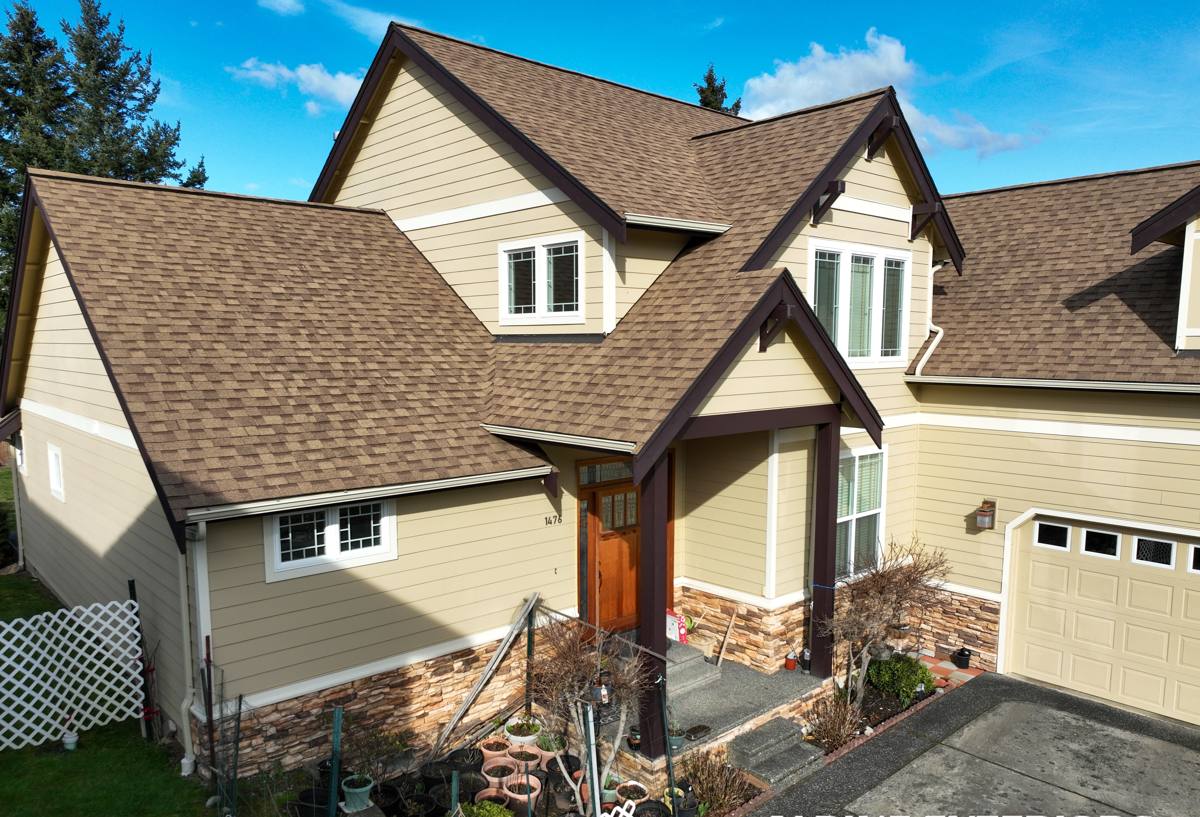
What Local Conditions Do to a Roof Out Here
Whatcom County gets a lot of rain, and the broader region's damp, marine-influenced air reaches well past the coastline into the valleys and foothills. In Deming specifically, the bigger factor is usually shade and moisture retention from tree cover along the river corridor. A roof that never fully dries out between rain events ages differently than one that does.
Moss and Organic Growth
Shaded roof sections, especially north-facing slopes and areas under overhanging branches, hold moisture longer and grow moss faster. Moss isn't just cosmetic — it lifts shingle edges, holds water against the roofing material, and works its way under tabs and flashing over a long moss season. On older roofs, you'll often see moss concentrated in the shaded half of the roof while the sun-exposed half looks noticeably better, which tells you a lot about how uneven the wear really is.
Prolonged Moisture and Deck Rot
Driving rain combined with limited sun exposure means water sits longer on aging shingles, and eventually on the roof deck underneath once the shingles stop shedding it properly. Soft spots, sagging sections, and dark staining in the attic are usually signs that moisture has already reached the plywood or board sheathing, not just the shingles.
Temperature Swings and Ice
Cold snaps in the valley can bring brief but real freeze conditions. Combined with heavy rain runoff, that can create ice damming at eaves and valleys on roofs without proper underlayment protection — a detail that matters more here than it does on a low-slope roof in a warmer, drier location.
Signs a Deming Roof Needs Replacement, Not Just Repair
Not every roof problem calls for a full replacement. But when several of these show up together, patching usually just delays a bigger bill:
- Granule loss heavy enough that you can see bare, shiny patches on the shingles
- Moss buildup that keeps returning within a season of cleaning it off
- Shingles that are cupping, curling, or cracking, especially on shaded slopes
- Soft or spongy decking felt when walking the roof
- Daylight visible through the roof deck from inside the attic
- Water stains on ceilings or in the attic that show up during heavy rain
- A roof that's already 20+ years old and has never been fully replaced
- Multiple past repairs in different spots rather than one clear problem area
If you're only seeing one or two of these, a repair or a targeted section replacement may still make sense. We'll tell you honestly which situation you're in.
What a Correct Roof Replacement Actually Involves
A roof replacement is more than swapping old shingles for new ones. On a Deming property, a few steps matter more than they would on a drier, more exposed site.
Tear-Off and Deck Inspection
We remove the old roofing down to the deck rather than layering over it. That's the only way to actually see the sheathing underneath — which matters here, since prolonged moisture exposure is exactly the kind of damage that hides under old shingles until they're pulled off. Any soft, delaminated, or rotted decking gets replaced before anything new goes down.
Ventilation Under Tree Cover
Shaded roofs stay damp longer, and attics under shaded roofs need to be able to breathe or that moisture just moves inward instead of drying out. We check intake and exhaust ventilation as part of the job — this is often an overlooked detail on older Deming homes that were roofed decades ago under different standards.
Underlayment and Ice & Water Shield
Eaves, valleys, and any low-slope transitions get self-adhering ice and water shield membrane, not just standard felt or synthetic underlayment. Given the freeze-thaw swings and heavy runoff typical of the valley, this is the detail that prevents water from backing up under shingles during the worst weather rather than just shedding it in ordinary rain.
Flashing and Valleys
Flashing around chimneys, skylights, and roof-to-wall transitions is where most leaks actually start, not out in the open field of shingles. We replace flashing as part of a full roof replacement rather than reusing old pieces, since corroded or improperly seated flashing is a common source of hidden leaks on older rural homes.
Choosing a Roofing Material for a Shaded, Damp Lot
Material choice matters more on a shaded property than on an open, sunny one. Here's how the common options compare for a Deming-type setting, honestly, without picking a "winner" — the right choice depends on your budget, roof pitch, and how much shade your specific roof deals with.
| Material | How It Handles Shade & Moisture | Maintenance | Typical Lifespan |
|---|---|---|---|
| Algae-resistant asphalt composition shingle | Copper/zinc granules resist algae and moss growth better than standard shingles | Occasional roof cleaning still recommended on heavily shaded slopes | 25–30 years, less if moisture exposure is severe |
| Standard asphalt composition shingle | More prone to moss and algae staining under tree cover without treated granules | More frequent cleaning needed on shaded roofs | 20–25 years, shorter in constant shade |
| Metal roofing | Sheds water and drying moisture fastest; moss struggles to grip a smooth metal surface | Low; periodic debris clearing from valleys | 40–50+ years |
| Cedar shake/shingle | Attractive but holds moisture longer in shade, higher risk of rot and moss without diligent upkeep | High; regular treatment and cleaning required | Varies widely with maintenance |
We install algae-resistant asphalt shingles and metal roofing as our standard offerings because both hold up well to the moisture and shade patterns typical of Deming properties with less ongoing upkeep required from the homeowner. Cedar can look great, but on a heavily shaded lot it demands a level of maintenance most owners don't want to keep up with year after year — that's a trade-off we'll walk through honestly if it's on your list.
Our Roof Replacement Process
Here's what working with us actually looks like, start to finish:
- On-site inspection. We walk the roof and check the attic, looking at deck condition, ventilation, flashing, and how much shade and moss exposure each slope actually has.
- Written estimate. You get a clear scope of work and price before anything is scheduled — no surprise add-ons sprung on you mid-job.
- Material selection. We go over shingle or metal options based on your roof, your budget, and how much upkeep you're willing to do.
- Scheduling around weather. Rural Whatcom County weather can shift fast; we plan tear-off and dry-in around the forecast so your roof deck isn't exposed longer than necessary.
- Tear-off and deck repair. Old roofing comes off, decking gets inspected and repaired as needed, and any rot is dealt with before new material goes down.
- Install day. Underlayment, ice and water shield, flashing, and roofing material go on in the right order and to manufacturer specification.
- Cleanup and magnet sweep. We clear debris and run a magnet sweep for stray nails around the property, including driveways and parking areas.
- Final walkthrough. We go over the finished roof with you before calling the job done.
What Affects the Cost of a Deming Roof Replacement
Every roof is priced individually after inspection, but these are the main factors that move the number up or down:
| Factor | Why It Matters |
|---|---|
| Roof size and pitch | More square footage and steeper slopes mean more material and labor time |
| Number of existing layers | Tearing off multiple old layers takes longer than a single-layer tear-off |
| Deck condition | Rotted or soft sheathing needs replacement, which adds material and labor |
| Material choice | Standard shingle, algae-resistant shingle, and metal carry different upfront costs |
| Roof complexity | Valleys, dormers, chimneys, and skylights add flashing work and labor time |
| Site access | Long or narrow rural driveways can affect staging, dumpster placement, and crew logistics |
| Permitting | Whatcom County permitting requirements apply and are factored into project timelines |
We'd rather walk your specific roof and give you real numbers than quote a range that doesn't mean much until someone's actually looked at your deck and your access situation.
Why Hire a Crew That Already Works in Deming
Rural properties come with details that don't show up on a subdivision job. Longer gravel driveways change how equipment and dumpsters get staged. Wells and septic systems mean utility lines and drain fields need to be identified and avoided before anything gets parked or dropped on the property. Tree cover means we're thinking about debris disposal, staging around branches, and sometimes coordinating around limbs that need trimming back before work starts.
A crew that's used to working Deming and the surrounding rural Whatcom County area already knows to ask these questions before showing up, not after. That saves time on your project and avoids the kind of mid-job surprises that push timelines and budgets in the wrong direction.
We're also familiar with the permitting process through Whatcom County, which is a separate process from roofing work done inside city limits and worth having handled by someone who's done it before.
Ready for a Straightforward Look at Your Roof?
If your Deming roof is showing moss, wear, or age, the best next step is a real inspection rather than guessing from the ground. We offer free, no-pressure estimates — we'll walk the roof, tell you honestly whether you're looking at repair or replacement, and give you a clear written scope and price. Fill out the form below to get started.