 Lynden Siding
 Why Kendall Homes Ask About Windows Sooner Than You'd Expect
Kendall sits back from town, closer to the Nooksack River valley and the first rise of the foothills toward Mt. Baker. That location has real upsides — more tree cover, more privacy, a quieter feel than in-town Lynden. But it also means homes here take on a specific kind of weather load: cold air pooling in the valley on clear winter nights, wind-driven rain pushed in off passing fronts, and long stretches of gray, damp weather that never quite dries the exterior out. Add in marine air that rolls inland off the Salish Sea during storm systems, and you get a slow, steady wear pattern on window frames, seals, and glazing that homeowners in drier climates simply don't deal with.
Old or poorly installed windows don't fail all at once out here — they fail gradually, as a draft that gets worse each winter, a sash that starts sticking, or a heating bill that creeps up year over year. This page is about what a correct, climate-appropriate window job looks like for a Kendall home, and what our process does differently to make sure it holds up.
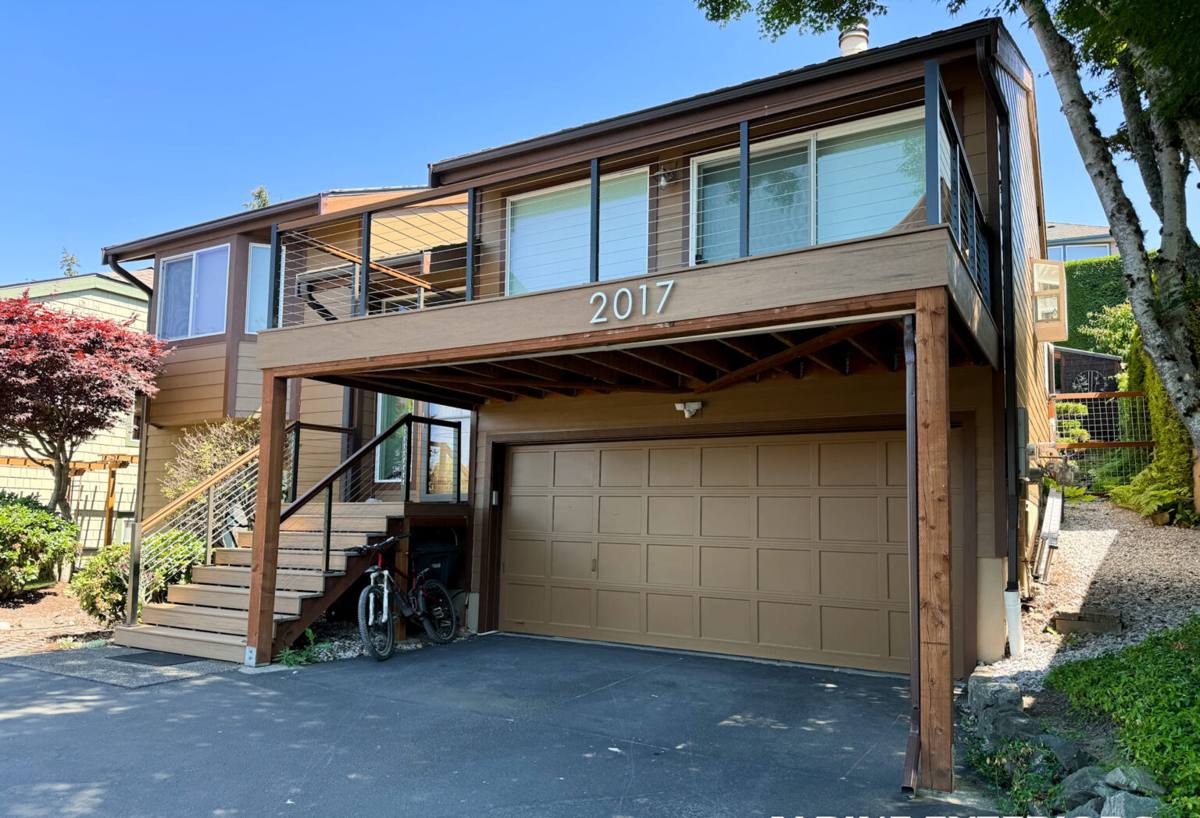
What Whatcom County's Climate Does to Windows Over Time
Driving rain and wind-driven moisture
Storms in this part of Whatcom County rarely come straight down. Wind-driven rain hits window units at an angle, which means the flashing and sealant around the frame matter just as much as the window itself. A window with excellent glass but sloppy flashing will still let water track behind the trim and into the wall cavity.
Long moss season
The extended stretch of cool, damp weather that supports moss growth on roofs and siding does the same thing to window sills, exterior trim, and any wood components on a window unit. Moss and algae hold moisture against the surface, which accelerates rot in wood trim and can degrade sealants faster than manufacturers rate for.
Valley temperature swings
Kendall's proximity to the foothills means colder overnight temperatures and more frequent frost than you'd see closer to the water. That daily swing between cold nights and milder days puts more stress on seals and insulated glass units, which is exactly the kind of stress that causes seal failure and interior condensation over time.
Signs Your Current Windows Are Working Against You
- Condensation or fog between the panes of double-pane glass (a failed seal, not a cleaning issue)
- Visible daylight or a draft you can feel around the frame when it's windy
- Wood trim that's soft, discolored, or holding moss/algae near the sill
- Windows that are hard to open, close, or lock — frames have likely shifted or swollen
- Cold glass to the touch in winter even when the room itself is warm
- Noticeably higher heating bills compared to similarly sized rooms in the home
What "Energy-Efficient" Actually Means for This Climate
Energy efficiency in a window isn't one spec — it's a combination of the frame material, the glass package, and how well the unit is sealed and installed. For our climate, the two ratings that matter most are U-factor (how much heat escapes through the window — lower is better) and SHGC, or Solar Heat Gain Coefficient (how much solar heat passes through the glass). In a mostly cloudy, moisture-heavy climate like Whatcom County's, we generally look for a low U-factor first, since keeping heat in matters more here than blocking solar gain.
| Frame Material | Moisture Performance | Maintenance | Typical Lifespan |
|---|---|---|---|
| Vinyl | Excellent — won't rot, doesn't require sealing/painting | Low — occasional cleaning | 20-30 years |
| Fiberglass | Very good — dimensionally stable in temperature swings | Low | 30-40+ years |
| Aluminum-clad wood | Good exterior protection, but interior wood still exposed to condensation | Moderate — watch cladding seams | 20-30 years, more with upkeep |
| All-wood | Weakest in sustained damp climates unless rigorously maintained | High — regular painting/sealing | Varies widely with maintenance |
None of these are automatically "wrong" for a Kendall home — it depends on the exposure of the specific wall, how much shade and moss risk it carries, and the homeowner's appetite for maintenance. Part of our estimate conversation is walking through that trade-off honestly rather than pushing one product line.
Double-pane vs. triple-pane glass
Triple-pane glass offers a meaningfully lower U-factor and can help with sound dampening, which matters for homes closer to Highway 9 or open farmland where wind noise carries. It comes with added weight and cost, though, and on a well-shaded, moderately exposed wall, a quality double-pane unit with a good low-E coating and proper installation can perform nearly as well for less money. We'll tell you which situation you're actually in rather than defaulting to the upsell.
Why Installation Quality Matters More Than the Window Brand
We've said this to enough homeowners that it's become a core part of how we talk about this job: the best window on the market, installed with poor flashing or a gap in the moisture barrier, will underperform a mid-range window installed correctly. In a climate with this much wind-driven rain and this long a wet season, installation detail is the difference between a window that lasts three decades and one that causes a rot problem behind the wall in five years.
What correct installation includes
- Removing old units without damaging the surrounding sheathing or framing
- Inspecting the rough opening for existing moisture damage before anything new goes in
- Integrating window flashing correctly with the existing weather-resistive barrier and siding — shingled so water is always directed outward and down, never trapped
- Proper sill pan flashing so any water that does get past the window drains back out, not into the wall
- Correct shimming and fastening so the unit operates smoothly and doesn't rack over time
- Sealing with the right sealant for the substrate — not just a bead of caulk on top of a bad seal
- Interior and exterior trim reinstalled cleanly, sealed against moisture intrusion
Our Process, Start to Finish
1. On-site assessment
We look at each window individually — orientation, shade, exposure to wind and driving rain, and current condition of the framing and trim. Not every window on a house needs the same solution.
2. Straightforward estimate
You get a clear breakdown of what we recommend and why, including where we think a lower-cost option is genuinely fine versus where we think it's worth spending more.
3. Careful removal and opening inspection
This is where hidden problems — old water damage, rot, undersized flashing — show up. We flag anything we find before proceeding, not after.
4. Installation with moisture management as the priority
Flashing, sill pans, and integration with the existing siding and weather barrier come first. The window itself goes in last, into an opening we've already made watertight.
5. Final seal, trim, and walkthrough
We finish the interior and exterior trim, confirm every unit operates correctly, and walk through the work with you before we consider the job done.
Choosing Windows for Your Specific Kendall Property
Because Kendall properties tend to have more tree cover and varied exposure than in-town lots, orientation matters more here than a one-size answer. A window on a shaded, north-facing wall under mature trees has a very different moisture and moss risk than one on a south or west wall catching full sun and wind-driven rain during a storm. We factor that into both the frame material recommendation and the level of moisture detailing we build into the install — a heavily shaded opening gets extra attention to drainage and ventilation clearance around the sill, since it will dry out more slowly after wet weather.
Maintaining Energy-Efficient Windows Through a Long Moss Season
Even a correctly installed, high-quality window benefits from a little seasonal attention in this climate. A short annual routine keeps small issues from becoming expensive ones.
- Clear moss, algae, and debris off sills and tracks before it holds moisture against the frame
- Check exterior caulking each fall for cracking or separation before the wet season sets in
- Test that weep holes (drainage points at the base of the frame) are clear and draining
- Look for soft spots or discoloration in wood trim early, while a repair is still small
- Wipe down interior sills after cold snaps if you notice any condensation buildup
Why a Local, Siding-Experienced Crew Makes a Difference
Windows don't exist in isolation on a house — they're set into the same wall system as the siding, the trim, and the weather barrier underneath it. Because we work on siding across Lynden and the surrounding Whatcom County communities, including Kendall, we understand how these systems tie together, and we install windows with that whole-wall performance in mind rather than treating the window as a standalone product swap. That matters most at the flashing and trim details, which is exactly where water problems start if a crew doesn't have that broader context.
We're also familiar with how quickly this climate exposes a shortcut. A rushed install might look fine on day one; a poor flashing detail usually doesn't show itself until a wet winter a year or two later, by which point the damage is inside the wall. Getting it right the first time costs less than fixing it after the fact.
If you're noticing drafts, condensation, or rising heating bills in your Kendall home, we're happy to take a look and give you an honest read on what's going on. Reach out for a free, no-pressure estimate — there's a form right below to get started.