 Lynden Siding
 Storm Damage Roofing in Kendall: What Makes This Job Different
Kendall sits up against the foothills northeast of Lynden, and that location means weather hits a little differently than it does closer to town. Wind funnels down out of the Nooksack valley, winter storms bring driving rain at an angle that finds every weak point in a roof, and the tree cover common on larger Kendall lots drops limbs and debris during wind events. Add in Whatcom County's long wet season and the moss growth that comes with it, and you get a roof that's dealing with more cumulative stress than a roof in a drier climate ever would. Storm damage repair out here isn't just about patching what broke in the last windstorm — it's about understanding how that damage interacts with everything the roof has already been through.
We work storm calls all over Lynden, but Kendall's mix of open exposure, mature trees, and rural acreage means the damage patterns we see are specific to the area. Knowing that in advance changes how we inspect, what we look for, and what we recommend.
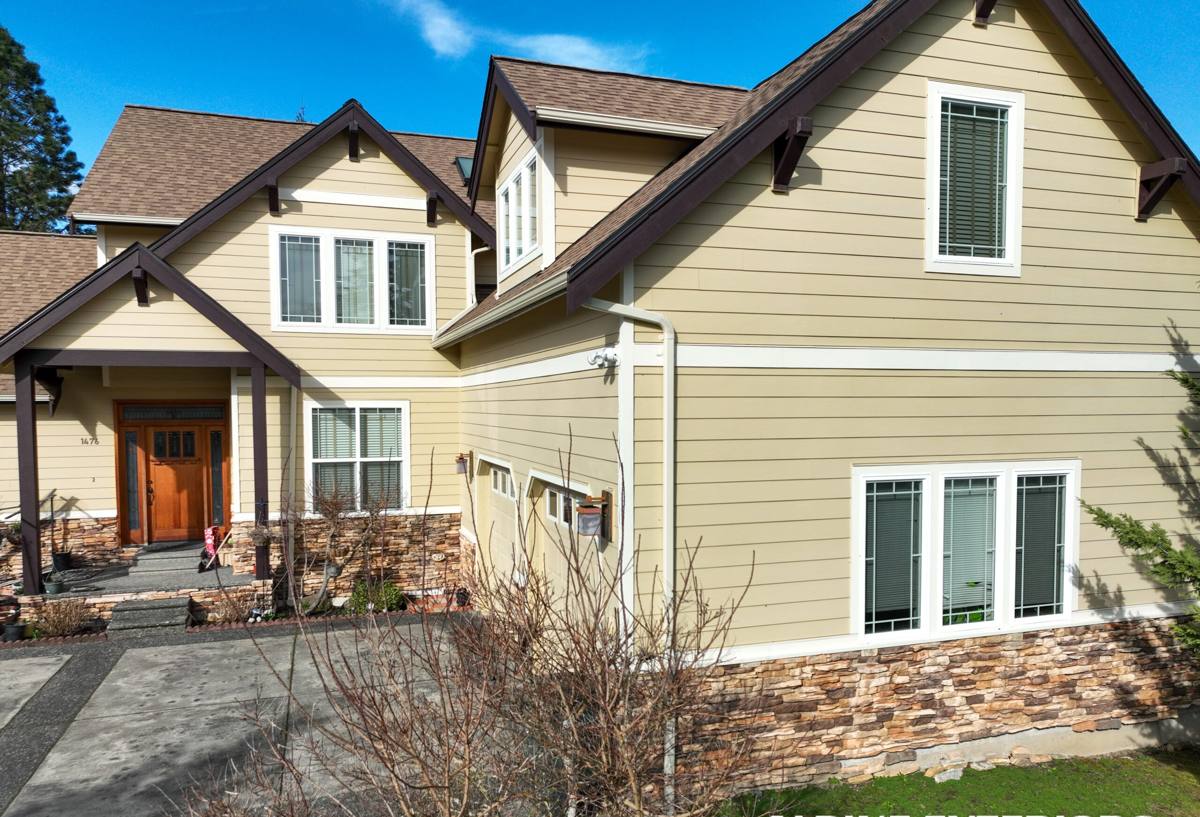
How Storms Actually Damage a Roof Here
Wind
Whatcom County wind events don't need to be dramatic to cause damage. Sustained gusts in the 40-50 mph range, which happen multiple times most winters, are enough to lift shingle tabs, work fasteners loose, and peel back ridge cap. Once a shingle edge lifts even slightly, wind gets underneath it on the next storm and the damage compounds. A roof that looks fine from the ground can have a dozen partially-lifted shingles that will fail completely in the next system.
Rain and Wind-Driven Water
Salt-laden air off the Sound combined with driving rain doesn't just wet a roof — it pushes water sideways and upward under laps and flashing that were only ever designed to shed water moving downhill. This is how storm damage turns into hidden leaks. A roof can survive the wind event itself and still fail two weeks later at a flashing seam that got forced open by wind-driven rain during the storm.
Falling Debris
Kendall's tree cover is a real asset for the neighborhood, but limbs and even whole trees come down in windstorms and ice events. Debris strikes crack shingles, dent metal roofing and flashing, and in worse cases puncture decking. Even a "minor" limb strike can crush the mat underneath a shingle without breaking the surface — damage you won't see without getting on the roof.
Moss and Long-Term Saturation
Storm damage rarely happens to a roof in isolation. A roof that already has moss buildup from Lynden's long wet season holds moisture longer, adds weight in wet conditions, and has already had fasteners and granules degraded by root intrusion. That roof is more vulnerable to storm damage than a clean one, and it's also harder to properly inspect for storm damage because moss hides cracked shingles and lifted edges.
What a Correct Storm Damage Inspection Looks Like
A drive-by look from the ground catches maybe half of what's actually wrong after a storm. A correct inspection means getting on the roof and checking systematically:
- Every slope, not just the side facing the prevailing wind — damage often shows up on the leeward side too, where uplift and turbulence work shingles loose
- Ridge cap and hip lines, which take direct wind load and are the first thing to lift or crack
- Flashing around chimneys, skylights, and any roof-to-wall transitions, checking for separation or bent edges
- Gutters and downspouts for granule buildup (a sign of shingle wear from the storm), debris blockage, and physical damage from falling limbs
- Decking, from the attic side where accessible, for soft spots or daylight that indicate a breach
- Existing moss and organic growth, since it needs to be accounted for separately from storm damage on any estimate
We document what we find with photos and a written summary, and we're straightforward about what's storm damage versus what's pre-existing wear. That distinction matters most if you're filing an insurance claim — adjusters want to see the difference clearly laid out, not blended together.
Our Repair Process
1. Assessment and Documentation
We inspect the full roof, not just the area you called about. Storms rarely damage one spot in isolation, and we'd rather find a second problem now than have you call back in a month.
2. Temporary Protection If Needed
If there's an active leak or exposed decking, we get it covered the same visit. That's not a full repair — it's stopping further water intrusion while a permanent fix is planned and materials, if needed, are sourced.
3. Repair Plan and Estimate
You get a clear explanation of what's damaged, what needs replacing versus what can be repaired, and a written estimate before any repair work starts. If the roof has underlying issues unrelated to the storm — old moss damage, worn flashing, undersized ventilation — we'll flag those separately so you can decide what to address now versus later.
4. The Repair
Depending on the damage, this might mean replacing a section of shingles and matching the surrounding course, resetting and re-sealing flashing, or replacing damaged decking before any new roofing goes down. We match materials as closely as possible to what's already on the roof so the repair doesn't stand out or create a new weak seam.
5. Final Walkthrough
We show you what was done and what to watch for going forward, including any spots that are worth monitoring after the next heavy rain.
Repair vs. Replacement: How We Make That Call
Not every storm-damaged roof needs a full replacement, and we don't default to recommending one. The decision usually comes down to a few factors:
| Factor | Favors Repair | Favors Replacement |
|---|---|---|
| Roof age | Under 12-15 years | Near or past expected lifespan |
| Extent of damage | Isolated to one or two areas | Spread across multiple slopes |
| Underlying condition | Decking and structure sound | Soft decking or widespread moss damage found |
| Material availability | Matching shingles/material still available | Discontinued product, visible mismatch unavoidable |
| Storm damage history | First significant event | Repeated storm damage over recent years |
We'll tell you honestly which side of that table your roof falls on. A repair that's done right and matches the existing roof is money well spent; a repair patched onto a roof that's already failing underneath is money that should have gone toward replacement.
Insurance Claims: What Helps and What Doesn't
Most storm damage repair in this area involves an insurance claim, and the process goes smoother when the documentation is solid from the start. A few things that help:
- Getting an inspection soon after the storm, before evidence of the specific event (broken tabs, fresh creasing, impact marks) gets weathered or blended in with general wear
- Photos that clearly separate storm-caused damage from pre-existing moss, wear, or prior repairs
- A written scope of repair that matches what the adjuster's own inspection is likely to find
- Being upfront with your adjuster about the roof's full condition rather than only the storm damage — it builds credibility for the parts of the claim that matter
We're happy to provide documentation you can hand to your insurance company. We don't inflate scopes to chase a bigger check, because that approach tends to create problems with the claim and with the repair itself.
Why a Crew That Already Works Kendall Matters
Storm damage repair isn't a specialty product line — it's the same trade skill applied under time pressure, often with a leak actively getting worse. A crew that already knows the roofing common to Kendall and the surrounding Lynden area — the pitches, the material mix, the way moss and tree debris accumulate on these lots — spends less time figuring out the roof and more time fixing it. We're not learning Whatcom County weather patterns on your job; we've already seen how this area's wind, rain, and moss combine to create the specific failure points we look for first.
Being local also means we can respond quickly when there's active water intrusion, and we're still around months later if a repair needs a follow-up look after the next heavy rain.
Maintaining the Roof After Repair
A repaired roof still needs the same seasonal attention as any roof in this climate. Keep gutters clear so water doesn't back up under repaired edges, watch for new moss growth starting near the repair area, and have the roof looked at after any future significant wind event — even a well-done repair can be tested by the next storm. If you notice granules collecting in gutters, shingles that look different in color or texture from the rest of the roof, or any sagging, those are worth a call before they become a bigger repair.
If a recent storm has left you with missing shingles, a new leak, or roof damage you're not sure how serious it is, we'll come out, take an honest look, and give you a straightforward assessment. There's no cost and no pressure to get an estimate — just fill out the form below and we'll set up a time to come take a look.