 Lynden Siding
 Windows Built for Maple Falls' Rain, Moss, and Elevation Swings
Maple Falls sits up in the Whatcom County foothills, closer to the Mount Baker corridor than the flat farmland around Lynden, and that difference in elevation and tree cover changes what a window has to deal with over its lifetime. Storm systems moving in off the water carry moisture-laden, salt-tinged air well inland, and by the time that weather reaches the higher ground around Maple Falls it's usually dumping driving, sideways rain against west- and south-facing walls. Add in dense evergreen canopy that keeps siding and trim shaded for much of the day, and you get long stretches where wood, vinyl, and window sills simply don't dry out. That's the setup for a long moss season, and moss doesn't stay on the roof — it works into sill joints, cladding seams, and anywhere water can sit against a window frame.
None of this means Maple Falls homes need exotic products. It means the installation has to be done correctly the first time, with flashing, sealing, and drainage that actually account for sustained wet weather and shade, not just a warm, dry showroom install.
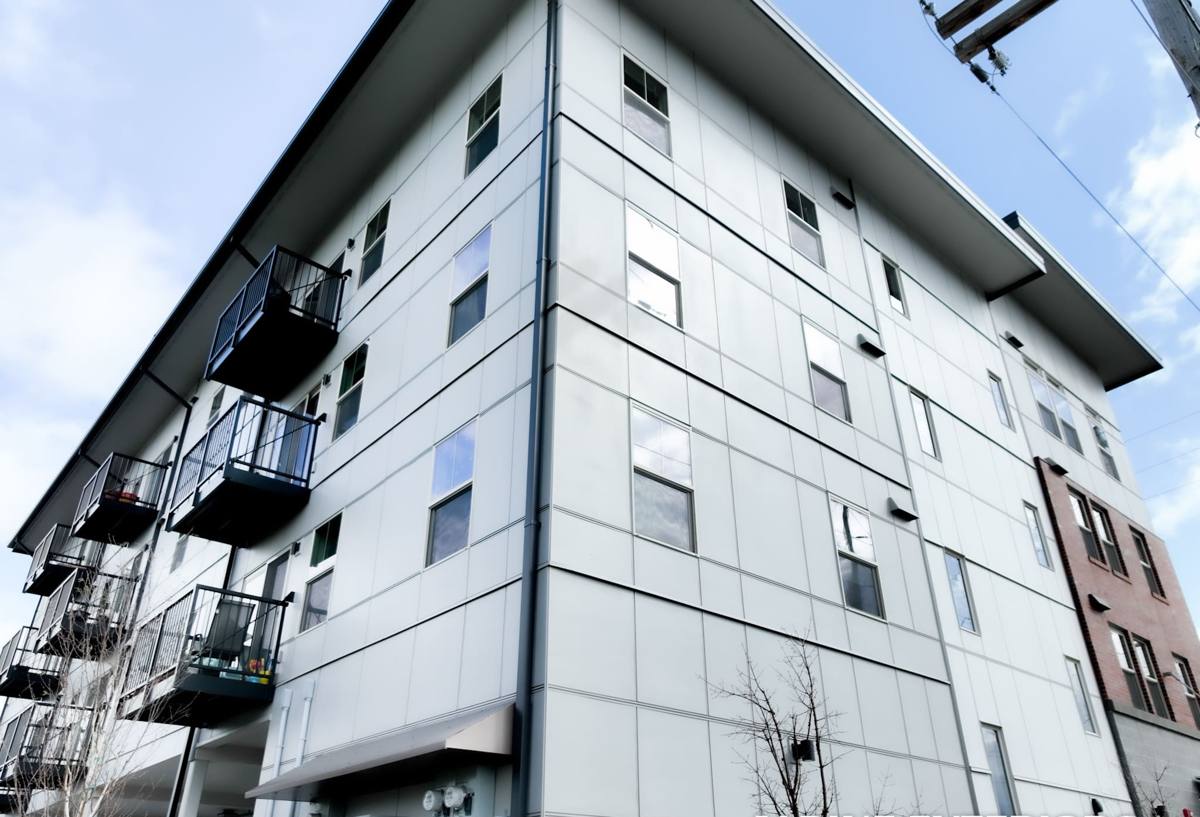
What Maple Falls Homes Actually Need From a Window
We see a real mix of housing stock in this area — older cabins and second homes built decades ago, newer construction, and everything in between. The needs differ by age, but the climate pressures are the same for all of them.
Moisture Management First
A window that looks fine but was installed without proper flashing and a drainage path will eventually let water behind the siding. On a shaded lot where things stay damp longer, that hidden moisture problem grows faster and quieter than it would on a sunny, exposed site. Getting the water management right at install is more important here than almost anywhere else in the county.
Insulation for Temperature Swings
Elevation means colder nights and a wider temperature spread between the coldest snaps and summer afternoons than you'll see down in the valley. Windows with a solid U-factor and properly insulated framing cavities help keep heating costs reasonable and reduce interior condensation, which is often the first visible sign of a window that's underperforming.
Durability Against Standing Damp
Wood-frame windows that were never clad or protected can absorb moisture over years of shaded, wet exposure, leading to soft spots and rot at the corners and sill. Whatever frame material a homeowner chooses, it needs to be one that tolerates sustained damp conditions, not just occasional rain.
Signs Your Current Windows Are Failing
Most window problems don't show up as a dramatic leak — they show up as small, easy-to-ignore signs that add up over a season or two. Walk your home's exterior and interior and check for these:
- Fogging or a permanent haze between the panes of a double-pane window (a sign the seal has failed)
- Soft, spongy, or discolored wood at the sill or bottom corners of the frame
- Visible moss or dark streaking on the sill, trim, or the wall just below the window
- Drafts you can feel with a hand near the frame on a windy day
- Paint that's peeling or bubbling on interior or exterior trim near the window
- Windows that are difficult to open, close, or latch — often a sign the frame has swelled or shifted
- A noticeable jump in heating costs without any other explanation
Any one of these on its own might not be urgent. Several together, especially on a shaded wall, usually mean water is getting behind the window and it's worth having it looked at before the damage spreads into the wall framing.
What a Correct Window Installation Actually Involves
Swapping a window is more than unscrewing the old one and setting a new one in the same hole. In a climate that stays wet as long as this one does, the details around the window matter as much as the window itself.
Flashing and the Weather Barrier
Proper installation means integrating flashing tape and pan flashing with the existing weather-resistant barrier so water is directed out and down, never trapped behind the siding. This is the single most common shortcut we see in poor prior installs, and it's the one most likely to cause hidden rot years down the road.
Insulation and Air Sealing
The gap between the window frame and the rough opening needs to be filled with an appropriate low-expansion foam or insulation — not stuffed with fiberglass and left uncovered, and not skipped entirely. This is what actually stops drafts and controls interior condensation.
Fastening, Shimming, and Level
A window that isn't shimmed level and square will operate poorly and stress the seals over time, which shortens its service life regardless of how good the product is. Fasteners need to hit solid framing, not just the trim.
| Installation Factor | What It Affects | Why It Matters Here |
|---|---|---|
| Flashing and drainage path | Long-term moisture intrusion | Shaded, high-rainfall exposure keeps walls wet longer |
| Air sealing and insulation | Drafts, condensation, energy bills | Wider temperature swings at elevation |
| Frame material and finish | Maintenance burden over time | Extended damp season encourages moss and rot on untreated surfaces |
| Level, square, and fastening | Operation and seal lifespan | Poor fit stresses seals faster in constant wet-dry cycling |
Choosing the Right Window for This Climate
There's no single "best" window for every home, but some frame materials handle sustained damp, shaded conditions with less upkeep than others. We walk homeowners through the honest trade-offs rather than pushing one product line.
| Frame Material | Moisture Tolerance | Maintenance | Typical Cost Range |
|---|---|---|---|
| Vinyl | Good — won't rot, minimal upkeep | Low | Lower to mid |
| Fiberglass | Very good — dimensionally stable in temperature swings | Low | Mid to higher |
| Wood-clad | Depends on cladding integrity; interior wood needs protection | Higher — cladding seams need periodic inspection | Higher |
Whatever material a homeowner picks, we're honest about what it needs going forward. A wood-clad window can look great in this setting, but only if the cladding and seals are inspected periodically — we'd rather tell a homeowner that up front than have them surprised by hidden rot in ten years.
Our Window Installation Process
- On-site estimate. We look at your existing windows, the condition of the surrounding trim and sheathing, and talk through what you actually need — not a generic upsell.
- Product selection. We help you pick a frame material and glass package that fits your budget and this climate, and explain the trade-offs plainly.
- Removal and inspection. Old windows come out carefully so we can check the rough opening and sheathing underneath for hidden moisture damage before anything new goes in.
- Flashing and installation. New flashing integrates with your home's weather barrier, and the window is set level, shimmed, and fastened into solid framing.
- Insulation and trim. The gap is properly insulated and sealed, and interior and exterior trim is finished to match your home.
- Walkthrough and cleanup. We test operation, walk through the work with you, and clean up the site before we leave.
Why Hire a Crew That Already Works in Maple Falls
A window installer who mostly works flat, open lots in town isn't automatically prepared for a shaded, sloped property up in the foothills. We know what shows up on homes out this way — sills that never fully dry out, moss creeping onto trim from overhanging branches, and the wider swing between a cold morning and a warm afternoon. That shapes decisions like where extra flashing detail matters most and which sides of the house take the worst of the weather.
There's also the practical side: knowing access routes, working around seasonal weather windows, and understanding Whatcom County's permitting expectations for exterior work. A crew that's already done jobs in this area isn't learning the terrain on your dime.
Keeping New Windows Performing After Install
A correct installation goes a long way, but a little upkeep protects that investment, especially given the moss season this area sees.
- Trim back branches and vegetation that keep sills and trim in constant shade and dampness
- Clear moss or debris from sills and tracks before it holds moisture against the frame
- Check that weep holes (the small drainage openings along the bottom of the frame) stay clear
- Keep gutters clean so overflow doesn't run directly down onto window heads
- Have caulking and exterior trim inspected every couple of years, sooner if you notice peeling paint or soft spots
None of this is complicated, but skipping it is how a well-installed window ends up with the same moisture problems as an old one, just years later instead of immediately.
If you're dealing with drafty, foggy, or hard-to-operate windows on a Maple Falls property, we're happy to take a look and give you a straightforward, no-pressure estimate — no obligation, just an honest read on what your home actually needs. You can request one using the form below.