 Lynden Siding
 Board & Batten That's Actually Built for Nooksack
Board and batten has been a fixture of Whatcom County architecture for generations, and it's easy to see why. The vertical lines suit the farmhouses, barns, and newer country-style homes scattered around Nooksack, and the look pairs naturally with the rural, tree-lined character of this part of the county. But board and batten is also one of the least forgiving siding profiles to get wrong. The vertical seams, the trim-to-panel joints, and the exposed batten faces all create places for water to sit if the installation isn't done with real attention to detail. On a home in this area, that's not a small concern — it's the difference between siding that looks sharp for decades and siding that's growing moss and soft at the seams within a few years.
This page is specifically about board and batten siding for homes in and around Nooksack, not a generic overview. We'll walk through what the local climate actually does to this siding style, what a correct installation involves, and why a crew that already works in this area brings something a traveling contractor can't.
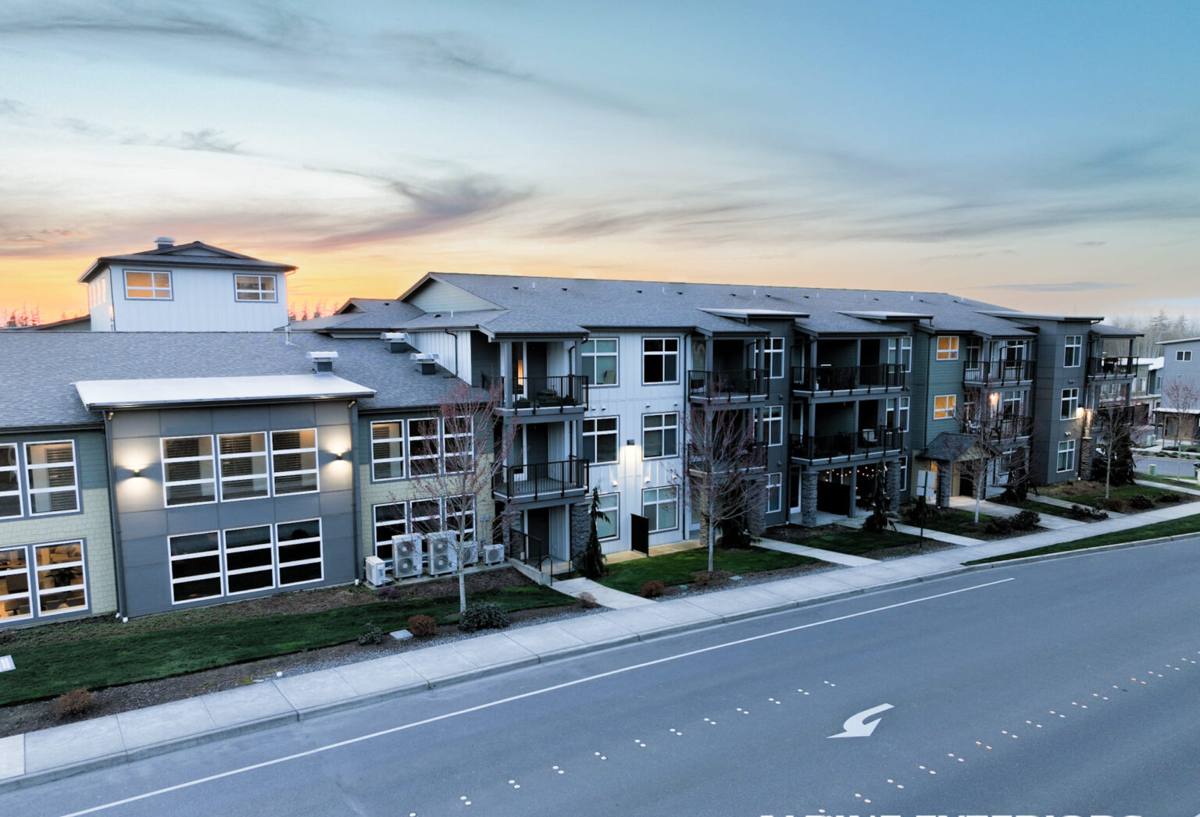
What Whatcom County Weather Does to Vertical Siding
Nooksack sits in a part of Washington that gets a steady diet of driving rain, damp marine air moving in off the Sound, and long stretches of overcast, low-drying weather. Add in tree cover and shaded north walls that are common on rural lots, and you get conditions that are close to ideal for moss and algae growth — and hard on siding materials that weren't engineered for it.
Board and batten siding is more exposed to this than a standard horizontal lap profile in a few specific ways:
- Vertical seams collect and channel water downward instead of shedding it outward the way overlapping lap boards do.
- Battens create horizontal-facing surfaces at their edges where moisture, dirt, and organic debris can sit and hold moisture against the wall.
- Long, unbroken vertical runs show moss streaking and water staining more visibly than a broken-up horizontal pattern.
- Driving rain during Whatcom County storms hits vertical siding at more of a direct angle than it hits lapped horizontal boards, pushing water toward every seam and fastener point.
None of this means board and batten is a bad choice here — it's a proven, attractive style. It means the material and the installation both have to be right, because this siding style has less built-in tolerance for cutting corners than other profiles.
Why the Material Matters as Much as the Install
We install James Hardie fiber cement exclusively, and board and batten is one of the styles where that decision matters the most. Wood-based board and batten — cedar, primed spruce, or engineered wood products — depends on paint film and caulking to keep moisture out of the substrate. In a climate with this much sustained dampness and moss pressure, that paint film is under constant attack, and once it fails at a seam or batten edge, the wood underneath starts absorbing water. Vinyl board and batten avoids rot but doesn't solve the moss and algae issue, and it can visibly warp or fade under UV and temperature swings over the years.
James Hardie's fiber cement is non-combustible, doesn't support rot the way wood substrates do, and holds its factory-applied ColorPlus finish far longer than field-applied paint on wood. For a style like board and batten, where the seams and battens are doing a lot of the visual and functional work, starting with a material that isn't relying on paint film alone to stay watertight is a meaningful advantage.
How James Hardie Board & Batten Is Actually Built
Real Hardie board and batten isn't individual narrow boards nailed up one at a time. It's typically built from larger HardiePanel vertical siding sheets, with HardieTrim boards installed over the panel seams to create the batten lines. This matters because it means far fewer actual seams in the field than a traditional board-by-board installation — fewer seams means fewer opportunities for water intrusion over the life of the siding.
| Component | Role |
|---|---|
| HardiePanel vertical siding | The base panel, factory-finished with ColorPlus, forms the field of the wall |
| HardieTrim battens | Installed over panel seams and at regular intervals to create the board and batten pattern |
| Weather-resistive barrier | Installed beneath the panels as the primary drainage plane |
| Rainscreen furring (where applicable) | Creates an air gap behind the panel so incidental moisture can drain and dry |
| Flashing at windows, doors, and trim | Directs water away from penetrations before it ever reaches the panel seams |
What a Correct Installation Involves
Board and batten fails early almost exclusively because of installation shortcuts, not because the profile itself is flawed. On a Nooksack home, we pay particular attention to a handful of details that make the biggest long-term difference:
- Proper drainage gap: Panels should not be installed flat against the wall with no way for incidental moisture to escape. A drainage plane behind the siding lets any water that does get past the surface dry out instead of sitting against the sheathing.
- Correct fastener pattern and spacing: Hardie specifies exact nailing patterns for panel siding. Under- or over-driven fasteners, or fasteners placed too close to panel edges, create weak points that show up as cracking or water paths years later.
- Batten spacing and seam coverage: Battens need to fully cover panel seams with enough overlap that seasonal movement doesn't expose the joint underneath.
- Flashing before finish: Every window, door, and roof-to-wall intersection needs flashing installed and lapped correctly before the siding ever goes on — caulk is a backup, not a substitute for flashing.
- Minimal reliance on caulk at horizontal joints: Caulking is used where Hardie's install specs call for it, not as a way to paper over a poor panel fit.
- Ground clearance: Siding kept at the manufacturer-specified clearance from grade, decks, and roof lines so it isn't sitting in standing moisture or splash-back.
Mistakes We Commonly See on Existing Board & Batten in This Area
Because board and batten has been popular in Whatcom County for a long time, we regularly get called out to homes where an older or poorly executed installation is starting to show its age. The recurring issues are consistent enough to be worth naming:
- Battens or panels installed tight to the wall with no drainage gap, trapping moisture against the sheathing on shaded, north-facing walls.
- Moss and algae buildup concentrated along batten edges and at the base of the wall, where debris collects and stays damp longest.
- Missing or improperly lapped flashing above windows, leading to staining and rot starting at the header rather than at the field of the wall.
- Fasteners driven through the face of panels instead of following the manufacturer's blind or exposed fastening spec, creating early cracking around nail heads.
- Paint failure on wood-based board and batten at the exact seams and batten edges where moisture pressure is highest — usually the first visible sign of a substrate problem underneath.
Most of these are preventable with correct installation up front, which is why the process matters as much as the product choice.
Our Process for a Nooksack Board & Batten Project
- On-site assessment: We look at existing siding condition, wall orientation, shading, roofline drainage, and any signs of past moisture problems before recommending anything.
- Tear-off and sheathing check: Old siding comes off and the sheathing underneath gets inspected — this is often the only chance to catch hidden rot or moisture damage before it's covered up again.
- Weather barrier and drainage plane installation: The house gets a proper moisture barrier and drainage gap before a single panel goes up.
- Flashing at every penetration: Windows, doors, vents, and roof intersections are flashed to manufacturer spec, not patched with caulk after the fact.
- Panel and batten installation to Hardie spec: Fastener pattern, spacing, and clearances follow James Hardie's published installation requirements, which is also what keeps the product warranty intact.
- Final walkthrough: We review the finished job with the homeowner and address anything before we consider the project done.
What Drives the Cost of a Board & Batten Project
| Factor | Why It Affects Cost |
|---|---|
| Home size and wall complexity | More corners, gables, and dormers mean more trim and batten cuts, which adds labor time |
| Existing siding removal | Tear-off, disposal, and sheathing repair (if needed) are a separate cost from new panel installation |
| Batten spacing and pattern | Tighter batten spacing uses more trim material and more fasteners per square foot |
| Color and finish selection | Factory ColorPlus finishes vs. field-applied paint carry different material and warranty implications |
| Access and site conditions | Tree cover, slope, and staging space on rural Nooksack lots can affect scaffolding and labor time |
We give a firm, itemized estimate after seeing the home in person — broad ranges without an on-site look aren't useful to a homeowner trying to budget accurately.
Maintaining Board & Batten Siding in This Climate
Even correctly installed fiber cement siding benefits from basic upkeep in a wet, moss-prone climate like ours. A short annual routine goes a long way:
- Rinse the siding, with particular attention to batten edges and shaded walls, once or twice a year to keep moss and algae from establishing.
- Keep gutters clear so overflow isn't running down the face of the siding during heavy rain.
- Trim back vegetation and tree limbs that keep walls shaded and slow to dry after storms.
- Check caulking at trim joints periodically and have any gaps addressed before they let water behind the panels.
- Watch for any staining or dark streaking at seams, which is usually the earliest visible sign of a drainage or flashing issue.
Why a Crew That Already Works Nooksack Matters
Board and batten's vulnerabilities in this climate aren't theoretical — they're specific to how Whatcom County weather behaves through the fall and winter, how moss establishes on shaded rural walls, and how driving rain off the Sound hits a vertical wall differently than it would in a drier region. A crew that installs siding here regularly already knows which details matter most for this profile in this climate, has a working relationship with local permitting where required, and can plan installation windows around the weather patterns that actually affect cure and dry times for caulking and finishes. That local familiarity shows up in the quality of the finished product, not just the convenience of scheduling.
If you're considering board and batten siding for a home in or around Nooksack, we're happy to take a look and walk you through what a correctly built system looks like for your specific house. Reach out for a free, no-pressure estimate using the form below.