 Lynden Siding
 Storm Damage Roof Repair for Blaine Homes
Blaine sits right on the water, and that changes what a roof has to survive compared to homes a few miles inland around Lynden. Winter storms off the Strait of Georgia bring sustained wind, sideways rain, and salt-laden air that doesn't let up for days at a time. When a storm passes through, the damage isn't always obvious from the ground — a lifted shingle tab, a bent flashing corner, or a granule-stripped section can sit quietly until the next hard rain finds its way in. This page covers what storm damage actually looks like on a Blaine roof, what a proper repair involves, and how we handle the work from first call to final inspection.
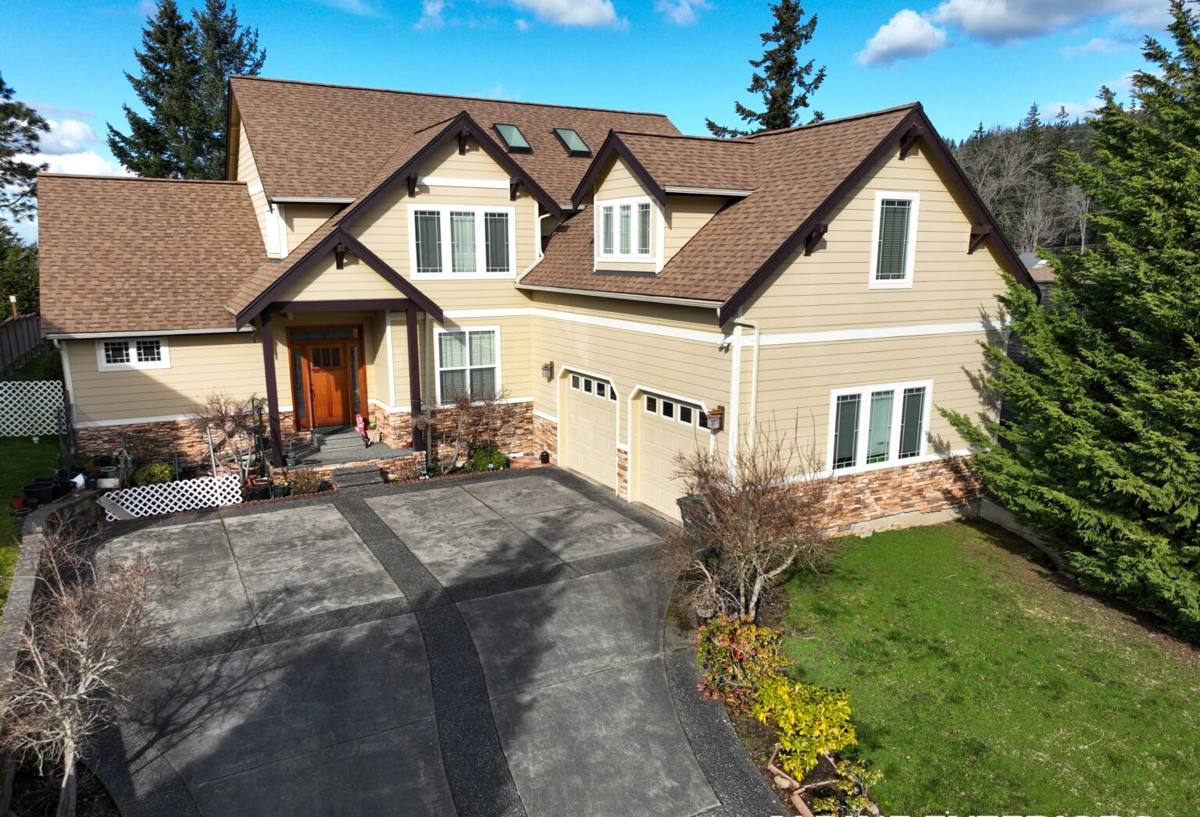
Why Blaine Roofs Take a Different Kind of Beating
Whatcom County gets its share of weather everywhere, but Blaine's exposure is its own animal. The combination of coastal wind, near-constant moisture, and salt air accelerates problems that would take years to show up on a roof further from the water.
Salt Air and Metal Fasteners
Roofing nails, flashing, and drip edge are almost always metal, and salt air speeds up corrosion on anything that isn't fully sealed or coated for coastal use. Once a fastener starts to rust, it loses its grip on the decking, and that's exactly when a storm can pull a shingle loose that would have otherwise held. This is one of the first things we check on any storm-damage call in Blaine — not just whether shingles are missing, but whether the fasteners underneath are still sound.
Wind-Driven Rain and Underlayment Failure
Ordinary rain falls straight down and sheds off a roof the way it's supposed to. Wind-driven rain off the water comes in at an angle, and it finds gaps that would never be a problem in calm weather — under lifted shingle tabs, around chimney flashing, along ridge caps. If the underlayment beneath the shingles has already started to degrade, wind-driven rain during a storm is often what finally pushes water through to the decking.
Moss, Shade, and Slow Rot
Lynden and Blaine both sit in a part of Whatcom County where roofs stay damp for long stretches of the year, and moss takes hold fast on north-facing slopes and anywhere shade lingers. Moss doesn't just look bad — it holds moisture against the shingle surface and works its way under tabs and around fasteners, weakening the roof's ability to shed water before a storm even arrives. A roof with an established moss problem is far more likely to sustain real damage in a wind event than a clean one.
What Counts as Storm Damage
Not every roof issue after a storm is actually storm damage, and not every case of storm damage is visible from the driveway. Here's what we're actually looking for during an inspection:
- Shingles that are lifted, cracked, creased, or missing entirely, especially on the windward side of the roof
- Granule loss showing up as bare, shiny patches on shingle surfaces or as grit collecting in gutters and downspouts
- Flashing that's bent, pulled loose, or separated at chimneys, valleys, skylights, and roof-to-wall transitions
- Soft spots, staining, or sagging on the interior ceiling or attic decking that point to a leak that started during a storm
- Debris impact damage from branches or blown material, which can puncture or bruise shingles without stripping them off completely
- Ridge cap or ridge vent damage, which is easy to miss from ground level but often takes the brunt of high wind
What a Correct Repair Involves
A storm damage repair is only as good as the inspection behind it. Patching over visible damage without checking what's underneath is how a small leak becomes a rot problem a year later.
Inspection First, Then Triage
We start by walking the roof, not just looking at it from the ground, so we can check fastener condition, underlayment exposure, and decking softness at every damaged spot — not just the ones that are easy to see. If there's active water intrusion, the first priority is stopping it, even if that means a temporary tarp or seal while we source matching materials.
Matching Materials, Not Just Covering the Spot
Shingle color and profile matching matters more than people expect, especially on a roof that's a few years old and has weathered some. We try to match existing shingles as closely as possible, but we'll always tell you upfront if an exact match isn't realistic so you're not surprised later.
Decking and Flashing Get Checked, Not Assumed
If water got under the shingles, there's a good chance the decking underneath took on moisture too. We check for soft or delaminating plywood before closing anything back up, and we replace flashing rather than re-caulking it when it's been bent or pulled during a storm — caulk over damaged flashing is a short-term fix that tends to fail again in the next hard rain.
Repair Approach: Matching the Fix to the Damage
Not every storm-damaged roof needs the same level of work. The table below outlines how we typically think through the options, though every roof gets its own assessment before we recommend one.
| Approach | Best For | What It Addresses | Considerations |
|---|---|---|---|
| Spot repair | Isolated wind or debris damage on an otherwise sound roof | Localized shingles, flashing, or decking | Fastest and least costly; depends on finding a reasonable material match |
| Section reroof | Damage concentrated on one slope, often the windward or north-facing side | An entire roof plane, including underlayment | Better long-term fix when moss or age has already weakened that section |
| Full reroof | Roofs nearing the end of their service life with storm damage as the tipping point | Entire roof system, all slopes | Makes sense when repair costs start approaching a real fraction of replacement |
Our Process From Call to Completion
- Initial call or form submission — tell us what you're seeing, whether it's active leaking, missing shingles, or visible damage after a storm
- On-roof inspection — we walk the roof (weather permitting) and document what we find with photos, not just a verbal summary
- Straight explanation and estimate — we explain what's actually damaged, what's just cosmetic, and what the repair options are, in plain terms
- Repair scheduled and completed — matched materials, proper flashing and underlayment work, decking replaced if needed
- Final walkthrough — we show you what was done before we consider the job finished
Insurance and Documentation
Many storm damage repairs in Blaine end up going through a homeowner's insurance claim, particularly after a named windstorm or a wider weather event that affects the area. We're not an insurance company and can't make coverage decisions, but we do photograph damage thoroughly during our inspection and can provide a written scope of work that you can hand to your adjuster. It's worth calling your insurer soon after a storm if you suspect damage — most policies have windows for reporting, and documenting damage early makes the claims process smoother whether or not you end up filing.
Why Hiring a Crew That Already Works Blaine Matters
Roofing crews that mostly work drier, more sheltered parts of Whatcom County don't always think about salt air corrosion or wind-driven rain the way a crew that regularly works the coastline does. Working in Blaine and Lynden both means we see the same climate patterns repeat year after year — which roof orientations take the worst of a given storm, which materials hold up under salt exposure, and which shortcuts show up as leaks two winters later. That familiarity shapes how we inspect and how we repair, not just what we quote.
Local presence also matters for timing. After a significant storm, roofing crews get busy fast, and temporary protection like tarping needs to happen quickly to prevent a manageable repair from turning into a decking replacement. Being established in the area means we're not driving in from out of the county to get to you.
Signs It's Time to Have Your Roof Checked
If a storm has recently passed through Blaine, a quick check for these signs can help you decide whether it's worth scheduling an inspection:
- New water stains on ceilings or attic surfaces that weren't there before the storm
- Shingle pieces or granules in the yard, gutters, or downspouts after high wind
- Visible gaps, lifted tabs, or bent flashing when viewed with binoculars from the ground
- A musty smell in the attic, which can indicate moisture that hasn't shown up as a visible leak yet
- Daylight visible through the roof decking from inside the attic
- Any roof that's due for a general inspection anyway and hasn't been checked since the last major storm season
If you're in Blaine or nearby and want a straight answer about whether recent weather did any real damage to your roof, we're happy to take a look. Reach out using the form below for a free, no-pressure estimate — we'll tell you honestly what we find, even if that's good news.