 Lynden Siding
 A roof in Sumas works harder than it looks like it should. Sitting out at the edge of Whatcom County near the foothills and the border, homes here take a steady diet of driving rain, damp marine air pushing in off the Salish Sea, and long gray stretches where moss gets weeks to establish itself before a dry day ever shows up to slow it down. None of that is dramatic on its own, but stacked up year after year it's exactly what shortens a roof's life and turns a simple maintenance item into a full tear-off. This page is about what a correct roof replacement looks like for a Sumas home specifically — not a generic overview, but the details that actually matter given what this climate does to a roof.
What This Climate Actually Does to a Roof
Three things drive most of the roofing calls we get out this way, and they compound each other:
- Driving rain: wind-driven rain doesn't just fall on a roof, it gets pushed sideways under shingle tabs, into open flashing laps, and along ridge lines that aren't sealed correctly. A roof that's fine in a straight-down rain can still leak in a Sumas windstorm if the details weren't built for lateral water.
- Persistent moisture and moss: north-facing slopes and anything shaded by trees stay damp for days after a storm. Moss doesn't just sit on top of shingles — its root structure lifts granules and holds water against the shingle mat, which accelerates wear in exactly the spots that are hardest to see from the ground.
- Marine air: the moist, salt-tinged air common to Whatcom County corrodes exposed fasteners, flashing, and metal edge trim faster than a dry-climate spec sheet would suggest. Cheap or mismatched metal components are usually the first thing to fail, long before the shingles themselves give out.
Individually, none of these is unusual for the Pacific Northwest. Together, over a 20-plus year roof life, they explain why so many roofs in this area need replacement a few years earlier than the same product would last somewhere drier and calmer.
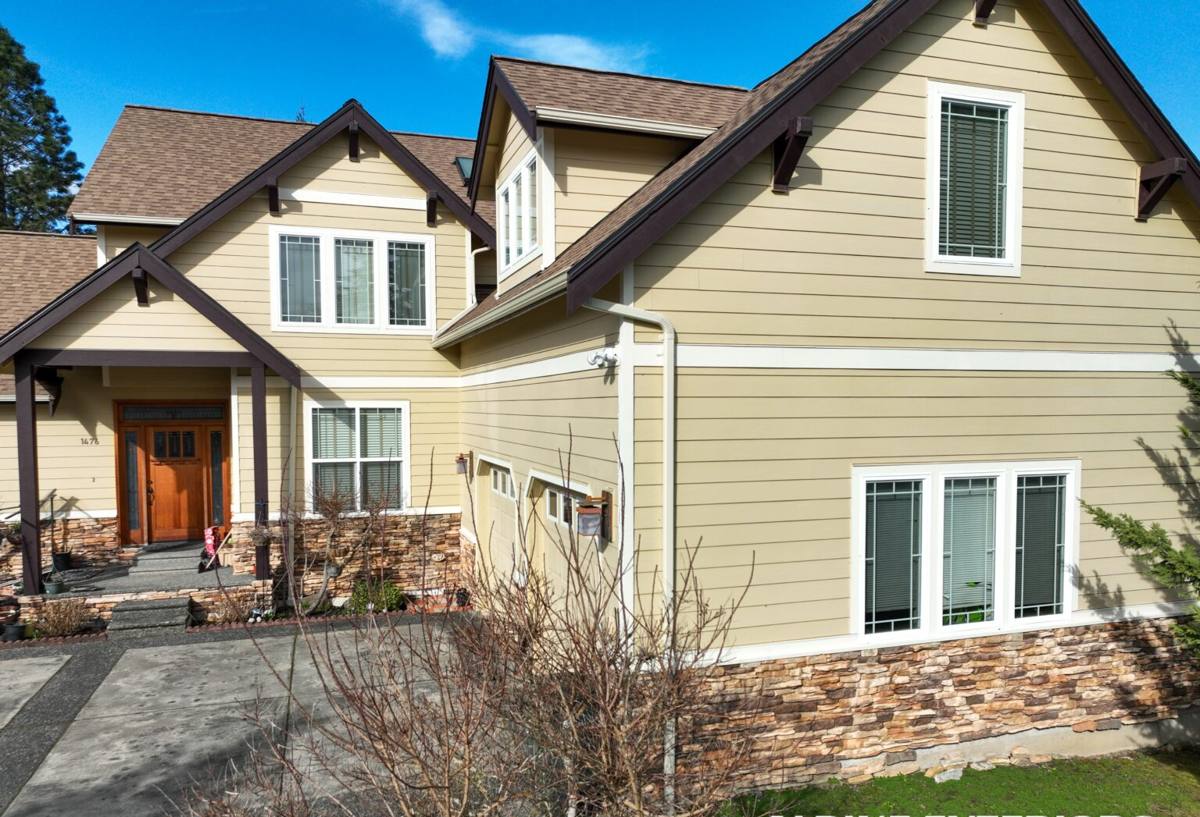
What a Correct Roof Replacement Actually Involves
A roof replacement is not "new shingles on top of old." Done right, it's a rebuild of the whole water-management system, and skipping any one piece is how a brand-new roof still leaks within a few winters.
Full Tear-Off and Deck Inspection
Every layer comes off down to the sheathing. This is the only point in a roof's life where the deck itself can actually be inspected — soft spots, rot around old vent boots, and delaminated panels are common findings on older Sumas homes, especially anywhere moss or moisture has been sitting unnoticed for years. Bad sheathing gets replaced before anything new goes down; installing new roofing over a soft deck just hides the problem for a while and costs more to fix later.
Underlayment and Ice/Water Protection
Synthetic underlayment goes down across the whole roof, with self-adhering ice-and-water barrier at eaves, valleys, and around every penetration — the spots where wind-driven rain is most likely to find a way in. This layer is what protects the deck if wind ever lifts a shingle edge during a storm, which is a realistic scenario here, not a hypothetical.
Flashing, Not Just Shingles
Step flashing at walls, new valley metal, and properly lapped flashing at chimneys and skylights matter more to leak prevention than the shingle brand does. Most roof leaks we're called out to diagnose on older homes trace back to reused or improperly lapped flashing, not failed shingles.
Ventilation Correction
Intake at the eaves and exhaust at the ridge need to balance. A roof that traps moist attic air is a roof that grows moss faster, ices unevenly, and ages shingles from underneath — a slow failure mode that's easy to miss until the shingles are already thinning.
Choosing a Roofing System for a Sumas Home
Material choice matters less than correct installation, but it's still worth picking a product that matches what this climate demands. Here's how the common options actually compare for moss resistance, moisture behavior, and upkeep — the factors that matter most locally, not just sticker price.
| Material | Typical Lifespan | Moss & Moisture Behavior | Maintenance | Best Fit |
|---|---|---|---|---|
| Standard architectural asphalt shingle | 20–25 years | Moderate — benefits from algae-resistant granules | Periodic moss treatment on shaded slopes | Most homes, budget-conscious replacements |
| Algae-resistant architectural shingle | 25–30 years | Copper-infused granules slow moss and streaking | Lower, but not maintenance-free | Shaded lots, north-facing roof planes |
| Standing seam metal | 40–50+ years | Sheds moisture fast, minimal moss anchor points | Very low | Steep pitches, long-term owners |
| Cedar shake | 20–30 years with upkeep | Absorbs moisture, requires active moss and rot management | High — regular treatment needed in this climate | Homeowners committed to ongoing maintenance |
We're upfront about that last row: cedar has real appeal, but it's the one product where marine moisture and moss pressure genuinely fight the material's nature. Anyone choosing it here should go in knowing it needs consistent upkeep to hit its expected lifespan — that's a maintenance-burden conversation, not a knock on the wood.
Signs a Sumas Roof Needs Replacement, Not Another Patch
Not every roof problem calls for a full replacement. But a few signs mean patching is just delaying a bigger bill:
- Granule loss heavy enough that shingles look patchy or bald in sun-exposed areas
- Moss established thickly enough that it's lifting shingle edges, not just discoloring the surface
- Daylight or water staining visible in the attic near the ridge, valleys, or vent penetrations
- Shingles that are curling, cupping, or cracking across multiple slopes rather than one isolated area
- Repeated leak calls to the same general area even after prior patch repairs
- A roof approaching or past 20 years old with no record of underlayment or flashing upgrades
If a roof only shows one or two of these, a targeted repair is often the honest answer, and we'll say so. Replacement makes sense once the deck, flashing, and shingle field are all aging out together.
Our Process, Start to Finish
- On-site assessment: we walk the roof (not just a ground-level look) and check the attic for ventilation and moisture signs before quoting anything.
- Written estimate: materials, scope, and timeline laid out clearly, with any deck-repair contingency explained up front rather than sprung on you mid-job.
- Scheduling around weather: we plan tear-off days around realistic dry windows and keep the roof dried-in with underlayment before ending any work day the weather won't cooperate.
- Tear-off and deck repair: full removal, deck inspection, and replacement of any compromised sheathing before new materials go down.
- Underlayment, flashing, and ventilation install: the parts that actually determine whether the roof stays dry for its full lifespan.
- Final shingle or metal install: per manufacturer spec, including proper nailing pattern and exposure — details that affect wind and warranty performance.
- Cleanup and magnetic sweep: job site and yard cleared of debris and stray fasteners before we call it done.
Permits and Local Requirements
Roof replacements in Whatcom County typically require a building permit, and inspections check things like proper underlayment coverage, flashing details, and ventilation — not just that shingles were nailed down. We handle the permit process as part of the job rather than leaving it for the homeowner to sort out, and we build the schedule around inspection timing so the project doesn't stall waiting on paperwork.
Why Hiring a Crew That Already Works in Sumas Matters
A roof replacement is only as good as the details nobody sees once it's finished — how the valleys were lapped, whether the deck got a real inspection, whether ventilation was corrected or just left as-is. A crew that already works this part of Whatcom County has seen how local moss patterns behave on shaded lots, which older subdivisions tend to have thinner original sheathing, and how wind-driven rain actually moves across a roof in this specific area versus a drier inland climate. That's not something a general spec sheet teaches — it's what shows up after enough roofs in the same weather.
It also matters for something more practical: being local means we're reachable if a question comes up two years after the job, not just during the install week.
If your roof is showing its age, or you just want a straight answer about repair versus replacement, we're happy to take a look. The estimate is free, there's no pressure attached to it, and you can use the form below to get in touch.