 Lynden Siding
 Window Installation Built for Sumas' Wet, Wind-Driven Climate
Sumas sits at the far edge of Whatcom County, and even though it's inland from the water, it doesn't escape the same weather pattern that soaks the rest of the county. Moisture-laden marine air pushes in off the Salish Sea for months at a time, driving rain sideways against north and west-facing walls, and settling into shaded, tree-lined lots long enough to grow a thick coat of moss on anything that stays damp. Windows are one of the first places that shows up. A window that was installed correctly twenty years ago in a drier climate might not hold up the same way here, and a window installed with shortcuts — even a good window — will fail early no matter what brand name is on the sticker.
We work throughout Lynden and the surrounding Whatcom County communities, including Sumas, so we see the same failure patterns repeat on similar homes: rot at the bottom corners of wood-frame windows, fogged double-pane glass from a broken seal, and drafts around openings that were never properly flashed to shed water outward instead of into the wall cavity. This page is about doing window installation the right way for this specific climate, not a generic checklist that ignores what driving rain and a long moss season actually do to a house.
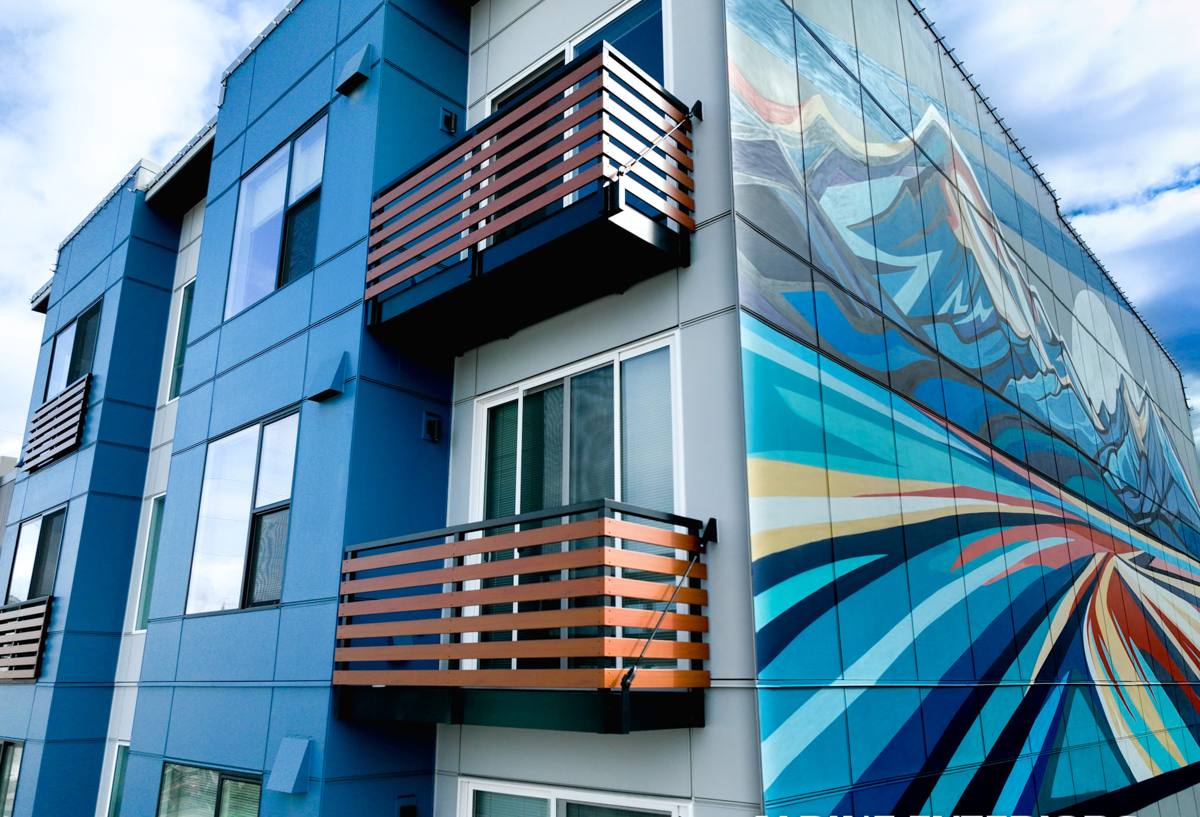
Signs Your Sumas Home's Windows Need Attention
Not every old window needs replacing, and not every new-looking window is installed well. Before recommending a full replacement, we look for actual evidence of a problem rather than just assuming age is the issue.
- Soft or discolored wood trim around the window frame, especially at the bottom corners where water collects
- Visible fogging or a permanent haze between panes of double- or triple-pane glass — a sign the seal has failed
- Noticeable drafts or cold spots near the window even when it's fully closed and locked
- Difficulty opening, closing, or locking the window, which often points to a frame that's shifted or swollen
- Paint that bubbles, peels, or won't hold near the window sill, usually a sign moisture is getting into the wall
- Visible moss or dark streaking on the siding directly below a window, suggesting water has been running off the sill for a while
Any one of these can be a minor fix. Several together, or one that's been ignored for a couple of wet seasons, usually means the window and the flashing behind it need to come out.
What Correct Window Installation Actually Involves
Window installation isn't just setting a new unit into an old opening and running a bead of caulk around the outside. In a climate that gets sustained, wind-driven rain, the details that are invisible once the trim goes back on are the ones that determine whether the window lasts 10 years or 30.
Flashing and Water Management
Every window opening needs to be built so that any water that gets past the exterior trim has somewhere to go — out, not in. That means flashing tape or a pan flashing at the sill, house wrap integrated over the flashing at the sides and top in the right shingle-lap order, and a drip cap or head flashing above the window to kick water away from the top edge. Skipping or rushing this step is the single most common reason we find rot inside a wall cavity that looked fine from the outside.
Insulation and Air Sealing
The gap between the window frame and the rough opening needs to be filled with a material that stays flexible and doesn't compress or slump over time — typically a low-expansion foam or backer rod and sealant, not stuffed fiberglass alone. Too much rigid foam can bow the frame and cause the window to bind; too little leaves an air gap that shows up as a draft and a higher heating bill.
Fitting to the Rough Opening
The window has to be set plumb, level, and square, then shimmed and fastened so it stays that way. A window that's slightly out of square will still look fine on installation day, but it will bind, leak air, or fail to lock properly within a year or two. This matters even more on older Whatcom County homes, where the original framing has often settled or shifted slightly over the decades.
Choosing the Right Window for a Sumas Home
There's no single "best" window material — the right choice depends on the home's age, its exposure to wind and rain, and how much upkeep the homeowner wants to take on. We install and recommend based on those factors rather than pushing one product line for every job.
| Material | Moisture Behavior | Maintenance | Best Fit |
|---|---|---|---|
| Vinyl | Won't rot; seams and seals are the main failure point | Low — occasional cleaning | Most homes; strong value for the climate |
| Fiberglass | Very stable in wet, temperature-swinging conditions | Low | Homes with heavy weather exposure or larger openings |
| Wood-clad | Good if the cladding stays sealed; interior wood is vulnerable if water gets past the exterior shell | Higher — finish and seals need periodic attention | Homes prioritizing a traditional wood interior look |
| Aluminum | Prone to condensation and thermal transfer in this climate | Moderate | Rarely our first recommendation for full replacements here |
We're upfront when a product isn't a good match for the amount of rain a wall sees. That's a maintenance and moisture-performance judgment, not a knock on any manufacturer — most window materials work fine somewhere, and our job is matching the product to Sumas conditions rather than to a catalog.
Our Sumas Window Installation Process
- On-site assessment — we look at the existing window, the surrounding trim, and check for any signs of water intrusion or rot before quoting anything
- Measurement and product selection — exact rough opening measurements, and a conversation about material, glass package, and operating style (single-hung, casement, slider, etc.)
- Removal — the old window comes out carefully so we can inspect the framing and sill underneath, which is often the only chance to catch hidden rot before it's covered again
- Framing repair if needed — any soft or damaged wood gets addressed before the new window goes in; installing a new window over a compromised opening just hides the problem
- Flashing and sealing — sill pan, house wrap integration, and head flashing installed in the correct order for outward water drainage
- Setting the window — plumb, level, square, shimmed, and fastened per the manufacturer's installation instructions, which is also what keeps the warranty valid
- Insulating the gap and finishing — low-expansion foam or backer rod and sealant around the frame, then interior and exterior trim reinstalled or replaced
- Final check — every window is opened, closed, and locked to confirm smooth operation before we consider the job done
Why a Crew That Already Works in Sumas Matters
A window installer who's worked on a handful of Sumas and Lynden-area homes recognizes the patterns fast: which wall orientations take the worst of the driving rain, what condition older flashing tends to be in on homes built before certain materials were standard, and how much moss buildup on a north wall usually says about the moisture sitting behind it. That's not something you get from a install manual — it comes from doing the work in this specific part of Whatcom County, season after season.
There's also a practical side to hiring local. A crew based near Lynden isn't driving in from out of the area, which matters for scheduling, for coming back quickly if a question comes up after the install, and for standing behind the work over the years rather than being a one-time name on an invoice.
What Window Installation Costs — and What Drives the Price
Every job is different, but the price of a window installation generally comes down to a handful of factors. We give an honest, itemized estimate after seeing the actual openings rather than a flat per-window number pulled out of thin air.
| Factor | Why It Affects Cost |
|---|---|
| Window material and size | Vinyl, fiberglass, and wood-clad units are priced differently, and larger or custom-shaped openings cost more to fabricate |
| Condition of the existing framing | Rotted sills or studs found during removal need repair before the new window can go in correctly |
| Number of windows and access | Multiple windows on one job typically lower the per-unit cost; second-story or hard-to-access openings add labor time |
| Glass package | Standard double-pane versus upgraded low-E or triple-pane glass changes both cost and long-term energy performance |
| Trim and finish work | Matching existing interior or exterior trim, or replacing damaged trim, adds material and labor |
As a general guide, homeowners in this area typically see per-window installed pricing ranging from the low hundreds for a straightforward vinyl replacement in an existing opening, up to well over a thousand per window for larger units, premium materials, or jobs that uncover framing repairs. A detailed, on-site estimate is the only way to know what a specific job will actually cost.
Keeping New Windows Performing for Years
A correctly installed window still benefits from a little seasonal attention, especially in a climate that stays wet for much of the year.
- Clear leaves and debris from window wells and sills before the fall rains set in
- Check exterior caulk lines each spring for cracking or gaps and have them resealed if needed
- Wipe down tracks and hardware periodically so moving parts don't stick or corrode
- Keep an eye on nearby vegetation — trim back branches or shrubs that keep a window shaded and damp longer than the rest of the house
- Address any new moss growth on the siding below a window promptly, since it often signals water isn't draining the way it should
If you're dealing with drafty, foggy, or hard-to-operate windows on a Sumas-area home, we're happy to take a look and give you a straightforward, no-pressure estimate — just fill out the form below.