 Lynden Siding
 Why Window Installation in Bellingham Is Its Own Job
Bellingham sits close enough to the water and the foothills that its houses take a different kind of weather beating than homes twenty miles inland. Salt-laden air off Bellingham Bay works on metal hardware and fasteners. Driving rain off the Strait gets pushed sideways into wall assemblies during winter storms. And the long, wet moss season that runs from fall through spring keeps trim, sills, and siding damp for weeks at a time. A window that's installed correctly for a dry inland climate isn't automatically installed correctly for this one. The flashing details, the sealants, and even the frame material choices matter more here than they would somewhere with a shorter wet season.
We're based in Lynden and have worked Whatcom County homes for years, so we're not guessing at what this climate does to a house. We're building installation practices around it.
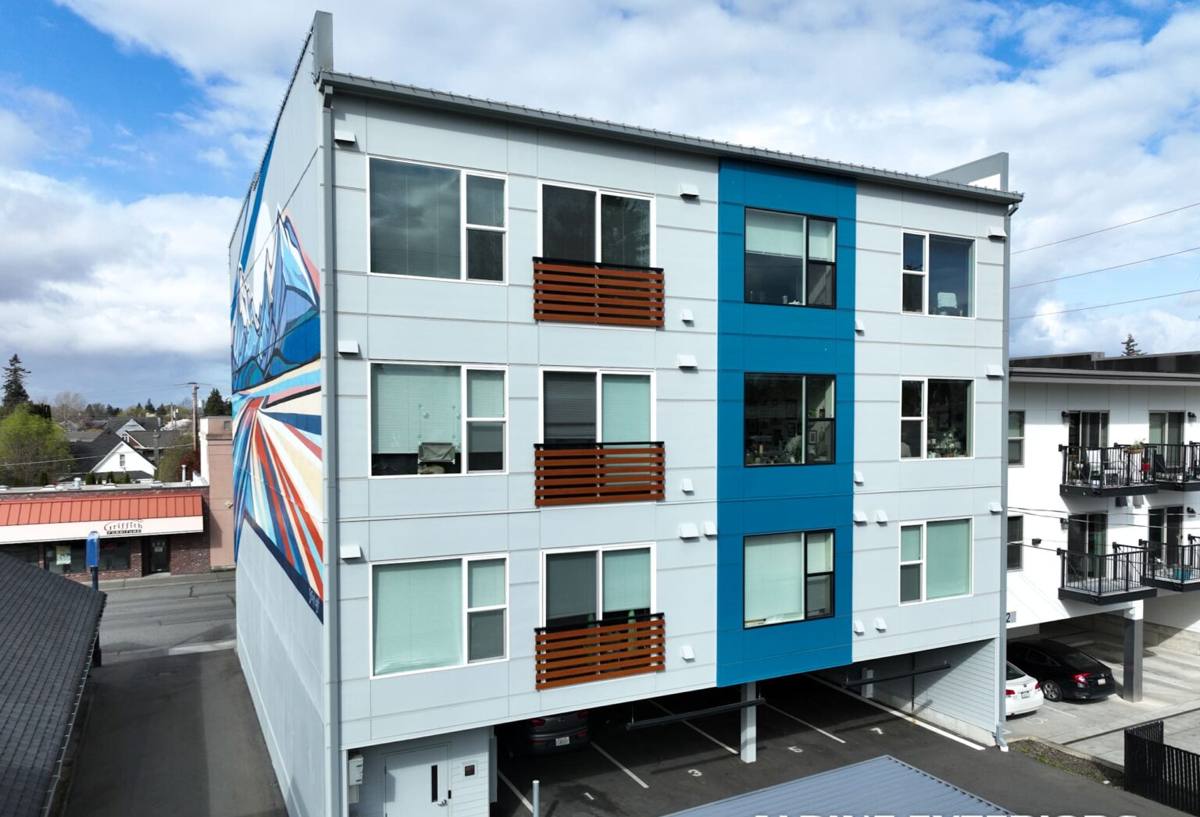
What Bellingham's Climate Actually Does to Windows
Salt Air and Hardware Corrosion
Homes closer to the bay see faster corrosion on window hardware, screws, and unprotected metal flashing than homes further inland. Cheap fasteners or bare steel components can start showing rust streaks and pitting years before they would in a drier, salt-free environment. This is a material selection issue as much as an installation issue.
Driving Rain and Wind-Driven Moisture
Bellingham gets more than just steady drizzle — winter storms push rain sideways with real force. That means water isn't just falling on a window, it's being driven into the gap between the window frame and the rough opening. If flashing and sealant details aren't done correctly at that gap, water finds its way behind the trim and into the wall cavity, where it can sit unnoticed for a long time.
Moss, Algae, and Prolonged Dampness
A long wet season means anything horizontal or shaded — window sills, sash tracks, lower trim — stays damp far longer than it would in a drier climate. That sustained moisture is exactly what moss and algae need to take hold, and it's also what accelerates wood rot in sills and jambs that aren't properly sealed or drained.
What a Correct Installation Looks Like Here
A window installation done right for this climate isn't about a fancier window — it's about the details around the window. These are the things we treat as non-negotiable on every Bellingham job:
- Proper flashing sequencing (sill pan, side flashing, head flashing) so water is always directed out and down, never trapped behind the wall
- A sloped or pre-formed sill pan that sheds any water that does get past the exterior seal, rather than letting it pool at the bottom of the rough opening
- Quality, weather-rated sealants applied at the correct points — sealing everything solid can trap moisture just as badly as sealing nothing
- Corrosion-resistant fasteners and hardware, especially on homes closer to the water
- Correct shimming and squaring so the window operates smoothly and the weatherstripping seals evenly for years, not just on install day
- Attention to the house wrap or weather-resistive barrier tie-in, so the window integrates into the wall's drainage plane instead of interrupting it
Skip any one of these and the window can look fine for a season or two while a moisture problem develops quietly behind the trim.
Signs a Bellingham Home Needs New Windows
Not every drafty window needs full replacement, and not every old window is actually failing. Here's what we actually look for when we assess a home:
| Sign | What It Usually Means |
|---|---|
| Fogging or moisture between glass panes | Failed seal on a double- or triple-pane unit; the insulating gas has escaped and the unit needs replacing |
| Soft or discolored wood at the sill or jamb | Water intrusion has been ongoing; the frame and possibly the wall structure behind it need inspection |
| Visible gaps, drafts, or difficulty operating | Frame has settled, warped, or the weatherstripping has failed — sometimes repairable, sometimes not |
| Moss or dark staining on sills and trim | Sustained moisture exposure; may be cosmetic now but is a warning sign for rot developing underneath |
| Rising energy bills with no other explanation | Old or poorly sealed windows losing conditioned air, especially during cold snaps and windstorms |
Frame Materials: What We Recommend and Why
There's no single "best" window material for every home, but for Whatcom County's wet, salt-exposed climate, some options hold up better than others with less long-term maintenance.
Vinyl
Vinyl windows don't rot, don't corrode, and require essentially no maintenance beyond cleaning. For most Bellingham homes, this is our default recommendation — it's a strong balance of performance, cost, and low upkeep in a climate that's hard on materials that need regular sealing or painting.
Fiberglass
Fiberglass frames handle moisture and temperature swings very well and hold paint better than vinyl if a homeowner wants a custom color. They cost more upfront, which is the main trade-off against their durability.
Wood and Wood-Clad
Wood windows can look great, but in a climate with this much sustained dampness, they demand real maintenance discipline — regular repainting or refinishing, careful attention to any exposed end grain, and prompt repair if a seal ever fails. We'll install them if that's what a homeowner wants, but we're upfront that they're a higher-maintenance choice here, not a defect in the product itself.
Aluminum
Aluminum conducts heat and cold efficiently, which works against energy efficiency in our climate, and it's more prone to condensation on the interior frame during cold, damp stretches. We generally steer homeowners away from it for full-home replacement projects here unless there's a specific design reason to use it.
Our Installation Process
1. On-Site Assessment
We look at the existing windows, the condition of the rough openings, and any signs of past water intrusion before recommending anything. This tells us whether it's a straight window swap or whether there's sill or framing repair to account for first.
2. Product and Material Selection
We walk through frame material, glass package, and style options based on the home's exposure — a west-facing window catching driving rain off the Strait gets the same careful detailing as any other, but we'll flag if extra protection is worth discussing.
3. Removal and Opening Prep
Old windows come out carefully, and we inspect the rough opening for rot or damage before anything new goes in. Any compromised wood gets addressed at this stage — installing a new window into a damaged opening just repeats the same problem.
4. Flashing, Sealing, and Installation
This is where the climate-specific details described above come in — sill pans, proper flashing order, correct sealant placement, and tie-in to the home's weather barrier.
5. Interior and Exterior Finish
Trim, caulking, and finish work are completed to match the home, and every window is checked for square, level, and smooth operation before we call the job done.
6. Final Walkthrough
We go through the finished work with the homeowner, operate every window, and answer any questions about care and maintenance going forward.
Cost Factors for Bellingham Window Projects
Every home is different, so we don't quote pricing sight unseen, but these are the main factors that move a project's cost up or down:
| Factor | Impact on Cost |
|---|---|
| Number and size of windows | More units and larger openings increase material and labor cost |
| Frame material | Vinyl is generally most affordable; fiberglass and wood cost more |
| Condition of rough openings | Rot repair or framing work adds cost beyond a straight window swap |
| Glass package | Upgraded glazing for energy performance or sound reduction adds to unit cost |
| Access and site conditions | Second-story or hard-to-access windows can add labor time |
We provide a detailed, itemized estimate after seeing the home in person — not a rough number over the phone.
Why Hire a Crew That Already Works Bellingham
A contractor who works this area regularly already knows what Bellingham's exposure to the bay and the region's rainfall patterns do to a wall assembly over time. That's not something you can fully learn from a manual — it comes from having repaired the water damage that results when flashing and sealant details get skipped. We're a Lynden-based crew that works throughout Whatcom County, so Bellingham's particular mix of salt air, wind-driven rain, and long wet seasons is a normal part of how we plan every installation, not an afterthought.
If you're weighing window replacement for a Bellingham home, we're happy to take a look and give you a straight, no-pressure assessment of what your windows actually need. Fill out the form below for a free estimate.