 Lynden Siding
 Wiser Lake Homes Face a Different Set of Window Problems
Wiser Lake sits in a pocket of Whatcom County where the trees grow tall, the ground stays damp for months at a time, and a lot of homes sit close enough to the water that shade and humidity are part of daily life, not just a winter inconvenience. That combination is rough on windows in ways that don't show up right away. A window that would last twenty years on an open, sun-exposed lot in a drier part of the county can start failing in twelve or fourteen years here if it wasn't built or installed with that environment in mind.
We've replaced and repaired windows on enough homes around Lynden and the surrounding lake communities to know this isn't a generic problem with a generic fix. The right window, the right frame material, and the right installation details all change depending on how much shade a house sits in, how close it is to the water, and which direction its walls face the weather.
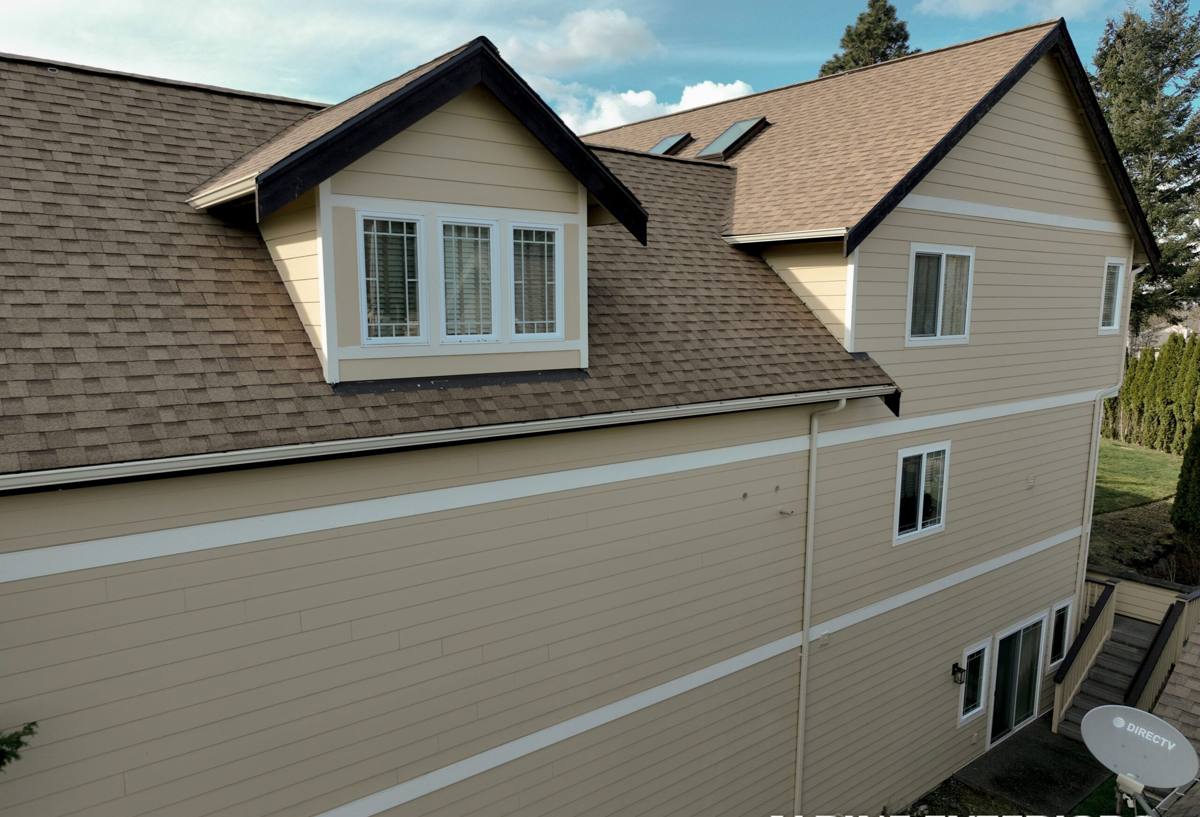
What a Damp, Shaded Lake Lot Does to a Window Over Time
Moss and Algae Take Hold Where Sun Doesn't Reach
North-facing walls and anything shaded by mature trees around Wiser Lake stay wet longer after every rain. That moisture doesn't just sit on the siding — it works into window sills, trim, and any gap in the caulking. Once moss or algae gets a foothold on a sill or the top of a frame, it holds even more water against the wood or composite underneath, and the cycle speeds up. On homes with a long moss season, we see more sill rot and more failed seals on the shaded elevations than on the sunny side of the same house.
Salt Air Adds a Slow, Steady Corrosion Load
Whatcom County's proximity to the coast means homes here get a steady, low-level dose of salt-laden air, and that air finds its way into hardware — hinges, cranks, locks, and the fasteners holding a window in place. Left unaddressed, it corrodes cheaper metal components years before the glass or frame itself would fail. It's a slower process than moisture rot, but it's just as real, and it's one more reason hardware quality matters as much as the glass package.
Driving Rain Finds Every Weak Point
Wind-driven rain off the lake doesn't just fall straight down — it pushes sideways into wall assemblies, which means a window's weakest point isn't usually the glass. It's the flashing and sealant details around the frame. A window that's caulked instead of properly flashed will look fine for a year or two and then start showing water stains on the interior wall below the sill, usually right after a stretch of the kind of driving rain this area gets several times a year.
Signs Your Current Windows Are Losing the Battle
Most window failures near Wiser Lake don't announce themselves with a cracked pane. They show up as small, easy-to-dismiss signs first. Worth checking for:
- Soft or spongy wood at the bottom corners of the sill or the exterior trim
- Fogging or a permanent haze between the panes of a double-pane window (a sign the seal has failed)
- Visible moss, algae, or black staining on the sill or lower frame, even after cleaning
- Difficulty opening, closing, or locking a window that used to operate smoothly
- Drafts you can feel near the frame on a windy day, even with the window fully closed
- Interior wall or trim staining directly below or beside a window after heavy rain
- Visible daylight or gaps around the frame from outside
Any one of these on its own might just need caulking or a hardware adjustment. Several of them together, especially on a shaded or lake-facing wall, usually mean the window assembly itself has been letting moisture in for a while.
Choosing Frame Materials for a Wiser Lake Property
There's no single "best" window material for every home — it depends on how exposed the wall is, how much shade it gets, and what you're trying to balance between upfront cost and long-term upkeep. Here's how the common options generally hold up in this kind of damp, shaded, coastal-influenced environment:
| Frame Material | Moisture & Rot Resistance | Maintenance Needs | Best Fit |
|---|---|---|---|
| Vinyl | Good — won't rot, but seams and welds matter | Low; occasional cleaning | Most walls, budget-conscious full-home projects |
| Fiberglass | Excellent — very stable in damp, shaded conditions | Low | Shaded, lake-facing, or high-exposure walls |
| Wood (unclad) | Poor without diligent upkeep | High; regular painting/sealing required | Homes prioritizing a specific historic or interior look, with an upkeep plan |
| Wood-clad (exterior-protected) | Good on the exterior face; interior still wood | Moderate | Homeowners who want a wood interior look without full wood maintenance |
| Aluminum | Fair — resists rot but conducts cold and can corrode near salt air over time | Moderate | Specific architectural styles; less common as a first choice here |
For most Wiser Lake homes, we lean toward vinyl or fiberglass on shaded and lake-facing elevations simply because they don't give moss and rot anything to work with. Where a homeowner wants a wood look, we'll say so honestly: it's achievable, but it comes with a real maintenance commitment in a climate like this one, and we'll walk through what that upkeep actually looks like before you commit to it.
What a Correct Custom Window Installation Actually Involves
Flashing and Water Management Come Before the Window Ever Goes In
The window itself is often the easy part. What separates a job that lasts from one that leaks in three years is the flashing — the layered barrier that directs water down and away from the rough opening instead of letting it pool against the frame. On a shaded or lake-facing wall that gets extended wet periods, we treat this step as non-negotiable, not an upsell.
Insulation and Air Sealing Around the Frame
A gap around a window frame that isn't properly insulated becomes a cold spot on the interior wall, which invites condensation — and condensation inside a wall cavity is exactly the kind of slow, hidden moisture problem that's hard to catch until there's visible damage. We seal and insulate the full perimeter of every custom window we install, not just the visible trim line.
Fit, Reveal, and Reinforcement
Custom windows are built to the exact dimensions of your opening rather than forcing a stock size to fit, which matters more than most homeowners expect. A window that's shimmed and forced into an opening it wasn't sized for tends to develop uneven gaps over time as the house settles — and every one of those gaps is a future entry point for wind-driven rain.
Our Process for a Wiser Lake Window Project
- On-site assessment. We look at the specific wall, its sun exposure, existing signs of moisture or moss, and the condition of the current framing before recommending anything.
- Honest material and product discussion. We'll walk through frame material trade-offs for your specific exposure — not a one-size answer for the whole house.
- Precise measurement. Custom windows are ordered to the actual opening, accounting for any settling or squaring issues already present.
- Removal and opening inspection. Old windows come out carefully so we can check the framing underneath for hidden rot or moisture damage before anything new goes in.
- Proper flashing and sealing. Water management details go in before the window, not as an afterthought around it.
- Installation, insulation, and air sealing. The window is set, shimmed correctly, and the full perimeter is insulated and sealed.
- Final walkthrough. We check operation, look, and seal quality with you before considering the job finished.
Why Local Experience Around Wiser Lake and Lynden Matters
A contractor who mostly works drier, sunnier neighborhoods can still install a technically correct window — but they may not think to ask which wall gets shade until 3pm, or whether the lot has standing moisture problems after a wet fall. Working regularly in and around Lynden and the lake communities in Whatcom County means we've already seen which details matter on this kind of property: where moss tends to build up, which elevations take the worst of the driving rain, and which frame materials actually hold up rather than just looking good on a spec sheet. That local pattern recognition is the difference between a window that's installed correctly on paper and one that's installed correctly for your specific house.
Keeping New Windows Performing Through the Wet Season
Even a well-installed window benefits from a little seasonal attention in a climate like this one:
- Clear moss or debris from sills and tracks before it has a chance to hold moisture against the frame
- Check exterior caulking annually, especially on shaded or lake-facing walls
- Operate hardware — locks, cranks, hinges — a few times a season so corrosion doesn't set in unnoticed
- Watch for condensation between panes as an early sign a seal needs attention
- Keep gutters and downspouts clear so roof runoff isn't sheeting down past upper-story windows
None of this is a substitute for a correct installation, but it does extend the life of one considerably — and it's a lot cheaper than dealing with rot or water intrusion down the line.
If you're noticing drafts, fogged glass, soft sills, or just want an honest read on whether your current windows are holding up to the Wiser Lake environment, we're happy to take a look. The estimate is free and there's no pressure — just a straight assessment of what your home actually needs, using the form below.