 Lynden Siding
 Windows Built for Life Near the Water
Birch Bay sits close enough to the water that its homes take a different kind of beating than houses further inland around Lynden. Salt-laden air works into window frames and hardware year-round. Driving rain off the Strait pushes water sideways into gaps that would stay dry on a calmer site. And the long, damp moss season here means anything that traps moisture against wood or vinyl gets a head start on rot and staining. Custom windows for a Birch Bay home aren't just about looks — they're about picking materials, seals, and installation details that hold up to this specific stretch of Whatcom County coastline.
We install and replace windows throughout the Lynden and Birch Bay area, and the difference between a window that lasts fifteen years here and one that lasts thirty almost always comes down to decisions made before the window ever gets set in the opening.
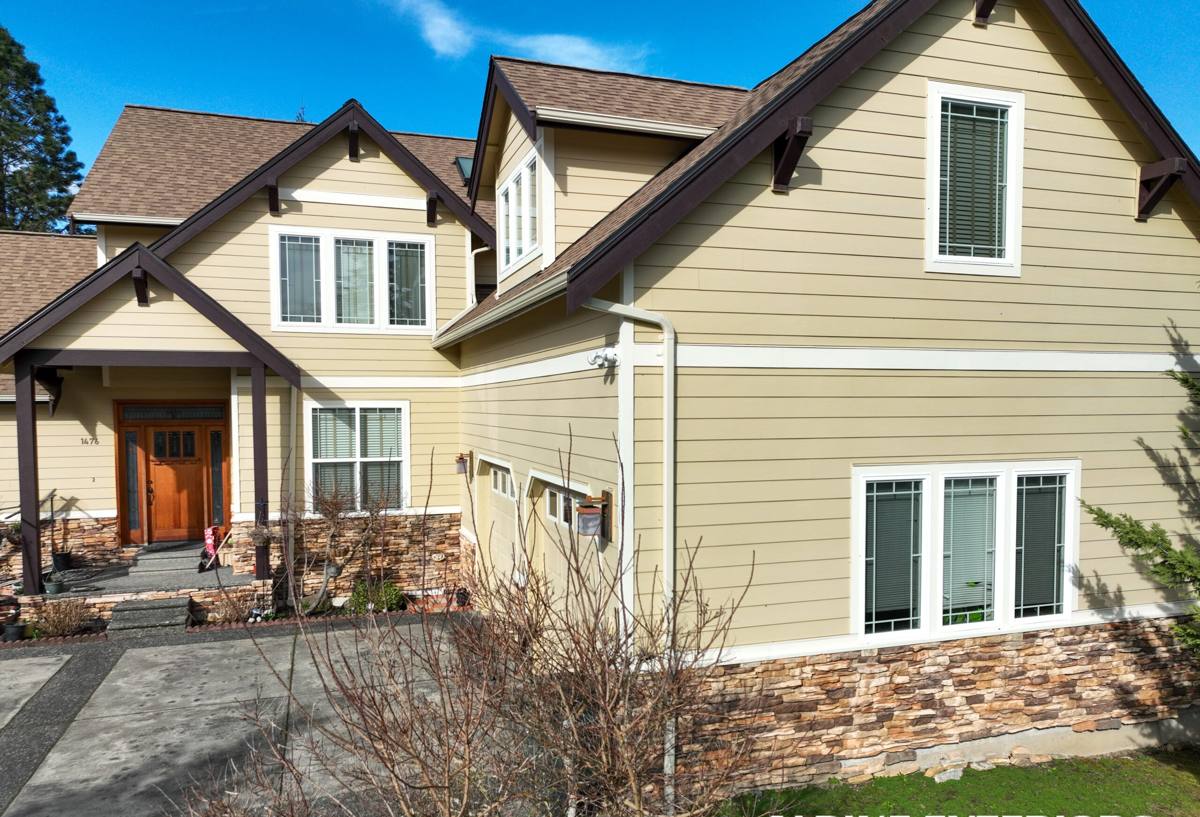
What Salt Air and Driving Rain Actually Do to a Window
Salt Air
Salt in the air isn't just a coastal curiosity — it's corrosive. Over time it attacks exposed metal hardware: hinges, locks, balance systems, and screen frames. Cheaper window lines often use hardware with a light coating that looks fine in a showroom but starts pitting and sticking within a few years of coastal exposure. It also accelerates the breakdown of certain sealants and finishes that weren't rated for marine-adjacent conditions.
Driving Rain
Wind off the water doesn't let rain fall straight down — it drives it sideways into any gap, seam, or poorly flashed opening. A window that's watertight in a light, vertical rain can still leak under wind-driven rain if the flashing detail, sill pan, or sealant joint wasn't done correctly. This is one of the most common causes of hidden water damage we find behind walls in this area — not a bad window, but a window installed without accounting for wind direction and pressure.
Moss Season
Whatcom County's long wet season keeps humidity high around window exteriors for months at a time. Wood trim, sills, and any organic material near a window opening can grow moss or algae if it never fully dries out. That moisture doesn't stay outside — it wicks into end grain, fasteners, and caulk joints, which is why we pay close attention to drainage and drying paths, not just the window unit itself.
What a Correct Window Job Involves in This Climate
A window replacement or new install done right for a Birch Bay home includes several things that aren't always visible once the trim is back on:
- A sloped sill pan or flashing system that directs any water that gets past the window back outside, rather than into the wall cavity
- Corrosion-resistant hardware and fasteners rated for coastal or high-humidity exposure
- Sealants and flashing tapes compatible with both the window frame material and your home's existing wall assembly
- Proper shimming and squaring so the sash operates smoothly and the weatherstripping seals evenly on all sides
- Exterior trim and caulk joints detailed to shed water rather than collect it
- Insulation around the frame gap that doesn't compress or settle over time, which would otherwise create a cold, drafty edge
Skipping any one of these doesn't usually cause a problem on day one. It shows up two, five, or ten years later as a soft spot in the wall, a foggy double-pane, or a window that won't latch anymore.
Choosing the Right Window Material for Birch Bay
There's no single "best" window material for every home — it depends on your home's age, style, budget, and how directly it faces the water and prevailing weather. Here's how the common options generally compare in this specific coastal-adjacent, high-moisture setting:
| Material | Coastal/Salt Air Behavior | Moisture & Moss Season | Maintenance |
|---|---|---|---|
| Vinyl | Won't corrode; hardware quality matters most | Doesn't absorb moisture; good drainage design still required | Low — occasional cleaning |
| Fiberglass | Very stable, resists pitting and corrosion well | Dimensionally stable in wet-dry cycles | Low to moderate |
| Wood (clad exterior) | Exterior cladding protects wood from salt exposure | Needs good detailing to prevent trapped moisture at joints | Moderate — interior wood care, joint monitoring |
| Bare wood | More vulnerable without protective cladding | Highest risk for rot and moss growth in this climate | High — regular refinishing |
| Aluminum | Prone to pitting and corrosion near salt air over time | Can conduct cold and promote condensation | Moderate |
For most Birch Bay homes, we steer customers toward vinyl or fiberglass frames with quality, corrosion-rated hardware, or clad-wood units when a homeowner wants a specific interior wood look. We're upfront when a bare-wood or uncoated aluminum option isn't a great fit for a home's actual sun and wind exposure — it's a maintenance and warranty conversation, not a knock on the product itself.
Custom Sizing and Shapes for Older and Unique Homes
A lot of homes in and around Lynden and Birch Bay weren't built to today's standard window sizes, especially older farmhouses, remodeled cottages, and homes with additions built at different times. Custom windows let us match an opening exactly rather than forcing a standard size and patching the gap, which is often where future leaks start. Custom sizing also matters for:
- Matching sightlines and grid patterns across a home's front-facing windows
- Bay, bow, or picture window replacements where structural framing has to be accounted for
- Coastal-facing rooms where a homeowner wants larger glass for the view but needs the frame and glazing spec to handle wind load
- Replacing odd or out-of-production shapes (arched, angled, or non-standard trim openings) without altering the home's exterior look
Our Process for a Birch Bay Window Project
1. On-Site Assessment
We look at each opening individually — current condition of the framing, any existing water staining or soft wood, sun exposure, and wind direction relative to the home's orientation. This is where we catch problems a phone estimate would miss.
2. Material and Style Selection
We walk through material options based on your home's exposure, budget, and style goals, being direct about trade-offs like maintenance time versus upfront cost.
3. Precise Measurement and Ordering
Custom windows are built to your home's actual openings, not the other way around, so accurate measurement up front avoids delays or field modifications later.
4. Removal and Opening Prep
Old windows come out carefully, and we inspect the framing and sill for any hidden rot or moisture damage before anything new goes in — a step that's easy to skip but critical in this climate.
5. Installation with Proper Flashing and Sealing
This is where the coastal-specific details matter most: sill pans, flashing sequence, compatible sealants, and correct fastening for corrosion resistance.
6. Final Check and Cleanup
We test operation, check seals, and confirm the exterior trim and caulk lines are finished to shed water properly.
Why Local Installation Experience Matters
A window crew that only works inland doesn't necessarily think about wind-driven rain, salt exposure, or moss-season drying the same way a crew that regularly works Birch Bay does. It's not about brand-name products — it's about installation judgment: knowing which openings on a given home face the worst of the weather, which older homes in this area tend to have hidden framing issues, and which details can't be shortcut here even if they'd be fine forty miles inland. That kind of judgment comes from doing the work in this specific environment repeatedly, not from a spec sheet.
Signs Your Current Windows Are Losing the Fight
- Fogging or moisture between panes of a double- or triple-glazed unit
- Hardware that's stiff, corroded, or won't latch fully
- Visible staining, soft wood, or moss growth on exterior trim near the window
- Noticeable drafts or a cold edge around the frame in winter
- Difficulty opening or closing, especially in humid weather
- Water intrusion or staining on interior sills or walls below windows
Any one of these is worth a look before it turns into a bigger repair. Caught early, a lot of these issues are a straightforward window replacement rather than a wall repair.
Get a Straight Answer for Your Home
Every home in Birch Bay faces the weather a little differently depending on its orientation, age, and how exposed it is to wind off the water. If you're weighing a window replacement, or just want an honest read on whether your current windows are holding up, we're happy to take a look. Fill out the form below for a free, no-pressure estimate.