 Lynden Siding
 Windows Built for Wiser Lake's Damp, Shaded Lots
Wiser Lake sits in a quieter, tree-lined pocket of Whatcom County just outside Lynden, and homes here deal with a version of our regional climate that's a step more intense than what a house on an open, sun-exposed lot faces. The lake itself keeps the air near the shoreline consistently more humid than surrounding farmland, tree canopy around much of the water keeps siding and window sills shaded and slow to dry, and the same marine weather pattern that brings salt air, driving rain, and a long moss season to the rest of the county settles in here with fewer breaks. For a window, sitting at the seam between conditioned indoor air and that kind of sustained outdoor moisture load, none of that is a small detail.
Lynden Siding Contractors installs windows on homes around Wiser Lake regularly, alongside our siding, roofing, and deck work in the same area. This page is specifically about window installation for this lake community — what the local conditions actually do to a window over time, what a correctly done installation involves, and why it matters to hire a crew that already knows this particular stretch of shoreline rather than one bidding it cold.
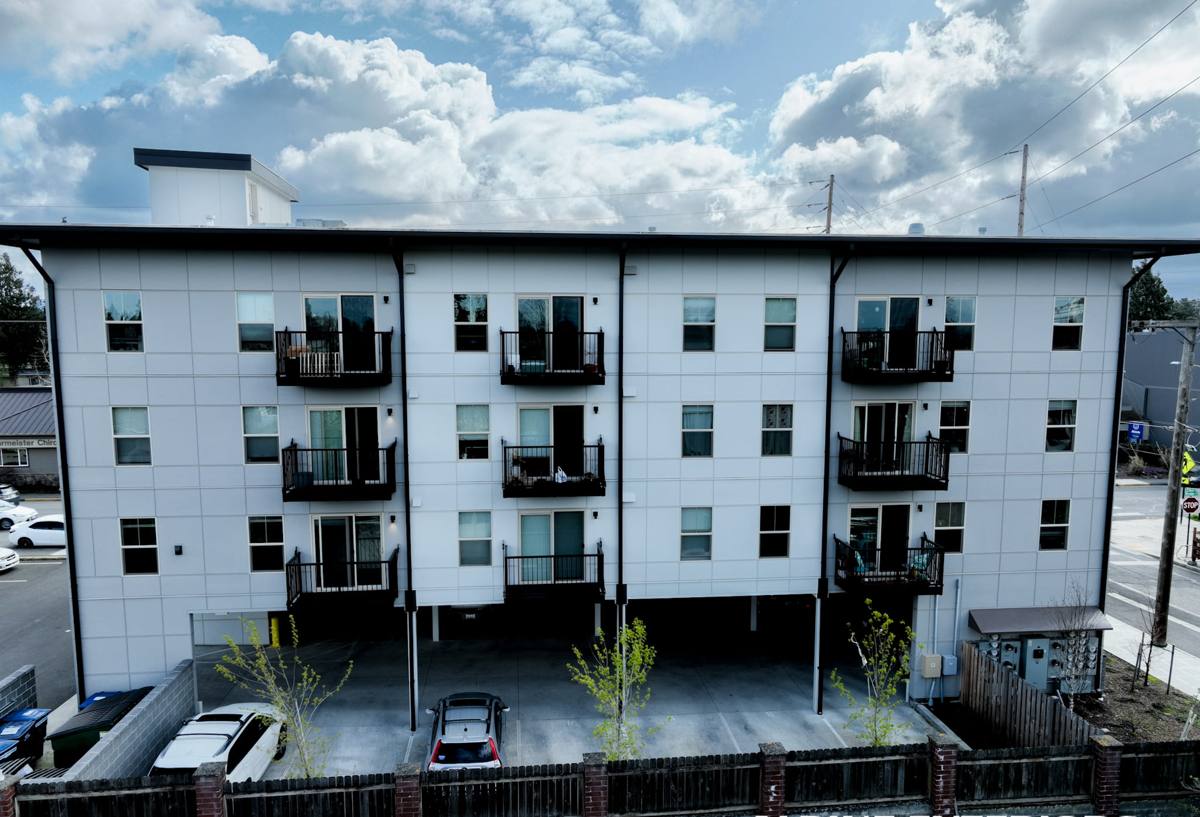
What Wiser Lake Homes Actually Need From New Windows
Standing Up to Lake-Level Humidity
Water near a house changes the moisture math. Homes right along Wiser Lake's shoreline sit in air that's more consistently humid than a property a half mile inland, especially on shaded, tree-covered lots where morning fog off the water can linger well past sunrise. That steady humidity load accelerates seal failure on older insulated glass units, keeps window sills and lower sashes damp longer after rain, and gives mold and mildew more time to establish on any surface that doesn't dry out fully between wet spells.
A Long Moss and Mildew Season
Tree cover around much of the lake means a lot of window elevations here get filtered or indirect light for large parts of the day, which is exactly the condition moss and algae need to take hold on sills, trim, and lower frame corners. Combined with the region's already-long moss season, shaded Wiser Lake elevations often stay green and damp for months longer than a south-facing wall on an open lot across town.
Driving Rain Off the Water
Open water gives wind a longer, less obstructed run before it hits a house, which means walls facing the lake often take rain more directly and with more force than a similarly oriented wall tucked behind other buildings or dense trees inland. That sideways-driven rain is a real test of flashing and sill pan work, not just of the window product itself.
What a Correct Window Installation Involves
Removal and Honest Inspection
Every job starts with pulling the old window carefully and actually looking at what's behind it — the sill, the jambs, the header, and the surrounding framing. On lake-adjacent homes, especially older cabins that were converted to year-round residences, this step often turns up moisture damage that was never visible from the interior. We tell you what we find before we move forward, not after the new window is already in.
Flashing and Weatherproofing
The window itself rarely fails first — the flashing around it does. A correctly done installation includes a properly pitched sill pan that sheds water outward instead of letting it pool, head flashing tied into the housewrap above the opening, and jamb flashing integrated into the wall assembly rather than relying on caulk as the only line of defense. On lake-facing walls that take rain more directly, we don't treat any of these as optional or as something to speed through.
Insulation and Air-Sealing
Gaps around a new window frame need to be insulated and air-sealed without trapping moisture against the framing. Low-expansion foam or backer rod and sealant, applied correctly, closes drafts without creating a hidden pocket where condensation can collect over time — a real risk in a consistently humid, lake-adjacent environment.
Finish Work That Matches the House
Interior and exterior trim gets reset or replaced to match the surrounding wall, and every unit gets checked for square, level, and smooth operation before we call the job done. A window that's been slightly racked during installation will bind, leak air, or wear its hardware unevenly within a few years, even if it looked fine going in.
Choosing the Right Window for a Wiser Lake Property
There isn't one correct answer for every home on the lake — orientation, shade, and how long you plan to own the property all factor in. What matters is understanding how each frame material actually behaves under sustained humidity and shoreline exposure before deciding.
| Frame Material | Behavior in Humid, Lake-Adjacent Conditions | Maintenance | Realistic Lifespan Here |
|---|---|---|---|
| Vinyl | Won't rot; performs well if welds and seams are installed correctly | Low; periodic track and weep-hole cleaning | 20-30 years |
| Fiberglass | Dimensionally stable under humidity swings and temperature change | Low | 30-40+ years |
| Wood, painted or clad | Attractive, but joints and sills are vulnerable in sustained shoreline moisture without diligent upkeep | Higher; regular finish maintenance | 15-25 years depending on upkeep and shade exposure |
| Aluminum | Prone to condensation and gradual corrosion in salt-influenced, humid air unless well-finished | Moderate | 20-30 years |
For most shaded, lake-facing elevations, we steer homeowners toward vinyl or fiberglass because they hold up with the least ongoing maintenance under sustained humidity. We'll still walk you through the real trade-offs for your specific exposure rather than defaulting to whichever product moves fastest.
Full-Frame vs. Insert Replacement
Insert replacement fits a new window into an existing, structurally sound frame and is faster and less disruptive to surrounding siding or trim. Full-frame replacement removes the opening down to the rough framing and rebuilds the flashing from scratch — the honest call whenever there's already sill or jamb damage, which we see more often on older lake cabins than on newer inland construction. We'll tell you which situation your windows are actually in rather than defaulting to the cheaper option and sealing a moisture problem up behind new glass.
Our Process, Start to Finish
- Walkthrough and assessment — we look at every window you're considering, note orientation, shade, and any visible moisture or hardware issues.
- Honest recommendation — insert or full-frame, which material, and why, based on what we actually see, not a standard upsell script.
- Written estimate — a clear scope and price before any work starts.
- Removal and inspection — old units come out, framing gets checked, and you're told about anything unexpected before we proceed.
- Installation — flashing, sill pans, insulation, and air-sealing done to the same standard on every unit, not just the ones facing the street.
- Finish and walkthrough — trim finished, every window checked for operation, and a final walkthrough so you know exactly what was done.
Why a Crew That Already Works Wiser Lake Matters
A contractor who works this shoreline regularly already knows how differently a lake-facing wall behaves compared to one set back among trees, and how much longer a shaded sill on this side of the lake tends to stay damp compared to an open lot a few miles inland. That familiarity shows up in practical decisions on installation day — how a sill pan should be pitched for the water a given elevation actually sees, which walls need extra attention to flashing detail, and how older lake-cabin framing typically differs from newer inland construction. It also means fewer surprises: a crew that's already opened up walls on similar homes around the lake has a good sense of what's likely waiting behind an old window before the first one even comes out.
Signs Your Current Windows Are Falling Behind
- Fogging or visible moisture between panes, usually a sign of a failed seal on an insulated glass unit
- Persistent condensation on the inside of the glass, more common on lake-adjacent homes than drier inland properties
- Soft, discolored, or spongy sill and trim material, especially on shaded elevations facing the water or tree line
- Visible moss or algae growth on sills, trim, or lower frame corners
- Windows that stick, won't latch fully, or feel harder to operate than they used to
- Noticeable drafts or a cold spot near a closed window in winter
- Peeling paint or bubbling finish on wood-framed windows
Any one of these is worth a look before another wet season passes. On a shaded, humid lot like many around Wiser Lake, problems that start small tend to progress faster than they would on a drier, more open property.
Keeping New Windows Performing Long-Term
A correctly installed window still benefits from basic upkeep in this environment. Weep holes and drainage tracks should stay clear of leaves and debris, especially on shaded lots where organic matter accumulates faster. Exterior sills and trim are worth a rinse and a look each season to catch moss or mildew before it spreads, and any caulk lines around the frame should be checked periodically since UV and moisture cycling will eventually break them down, regardless of how well the window was installed. None of this is heavy maintenance, but skipping it entirely shortens the life of even a well-installed window on a lot this consistently damp.
Get a Free, No-Pressure Estimate
If your Wiser Lake home has windows that are fogging, drafty, showing moss, or just past their useful life, we're glad to take a look and give you a straightforward read on what it actually needs. Reach out using the form below to schedule a free estimate — no pressure, no upsell script, just an honest assessment from a crew that already knows this shoreline.