 Lynden Siding
 Building New Near Deming? Get the Windows Right the First Time
New construction gives you one real chance to get window installation right. Once siding, trim, and interior finishes go on, fixing a flashing mistake means tearing back out work that was never supposed to be touched again. For homes going up in and around Deming, in Whatcom County, that first-chance install has to account for a climate that doesn't forgive shortcuts: long stretches of driving rain, humid air moving in off the water, and a moss season that coats anything with a north-facing shadow line. Windows installed correctly the first time shrug all of that off for decades. Windows installed with a generic, one-size-fits-all approach start showing problems within a few wet seasons.
This page is about one job done in one area: new-construction window installation for homes being built near Deming. Not replacement windows in an existing wall opening — new windows going into a new rough opening, on a house that doesn't exist yet until the crew builds it right.
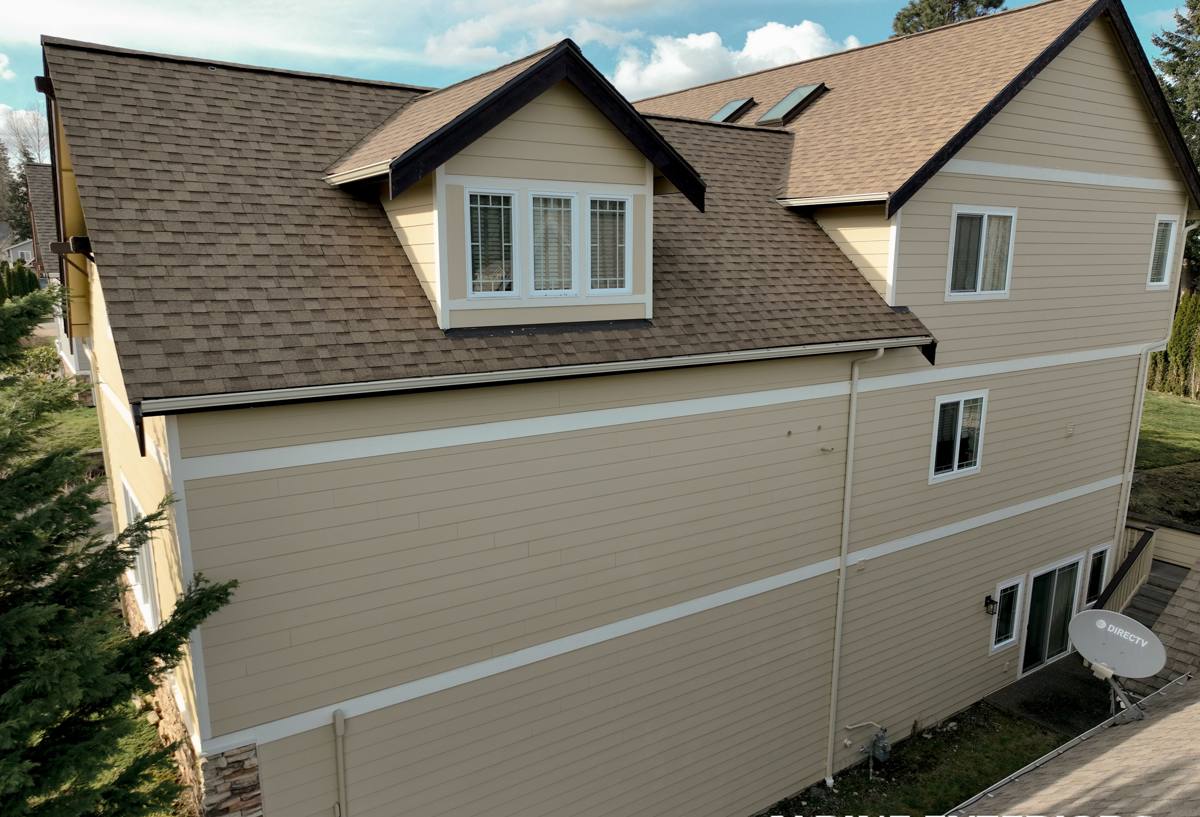
Why New Construction Is a Different Job Than Replacement
Homeowners sometimes assume "new-construction window" just means a window that happens to go into a new house. It actually describes a specific installation method built around a nailing fin (sometimes called a nail flange) around the perimeter of the window frame. That fin gets integrated directly into the wall's weather-resistive barrier — the house wrap — before siding ever goes on. Done correctly, water that hits the wall is directed around and away from the window opening by design, not by luck.
Replacement windows, by contrast, get inserted into an existing frame with the exterior wall already finished. There's no access to the rough opening, no chance to integrate flashing into the wrap the way new construction allows. That's a completely different technique with its own trade-offs — and it's not what this page covers. If your project is a new build or an addition with fresh framing, new-construction windows and the flashing sequence that goes with them are the right call, and getting that sequence right is where most of the long-term performance comes from.
What Deming's Climate Actually Demands From a Window Opening
Rain That Doesn't Just Fall — It Drives
Whatcom County storms frequently arrive with wind behind them, which means rain hits walls at an angle instead of just running down them. A window opening has to handle water that's being pushed sideways and even slightly upward at times, not just water running downhill under gravity. That changes how flashing tape and sill pans get lapped — every layer has to shed water outward and downward relative to the layer below it, with no reverse laps that let wind-driven rain sneak behind.
Moisture-Heavy Air and Slow Drying
Between coastal humidity and the county's overall wet season, framing and sheathing around a window opening don't dry out quickly if water does get behind the cladding. That's why the assembly needs to be right from the start — a sill pan and properly lapped tape aren't optional extras, they're the difference between water that drains harmlessly and water that sits in a wall cavity for months.
Moss and Organic Growth on Damp Surfaces
Anywhere on a house that stays shaded and slightly damp — under eaves, along north walls, in corners with poor airflow — is where moss and algae take hold first. Window trim and sills sit in exactly those conditions. Proper sloped sills, drip caps, and a clean paint or finish line help those surfaces dry between rains instead of staying wet long enough for growth to establish.
What a Correct New-Construction Install Actually Involves
Flashing and Water Management
The sequence matters more than any single product. A sill pan goes in first, sloped slightly to the exterior so any water that reaches it drains back out rather than pooling on the sill. Flashing tape at the jambs laps over the pan edges, and head flashing laps over the jamb tape — always shingle-style, always water moving down and out at every transition. Skipping or reversing any layer creates a spot where wind-driven rain can work its way behind the siding.
Fastening and Structural Fit
The window has to sit square and plumb in the rough opening, shimmed evenly so the frame isn't racked or bowed when fastened. A window that's forced into an out-of-square opening can bind, leak at the corners, or fail early — problems that show up as drafts or sticking sashes long before anyone traces them back to the install.
Sealing and Air Barrier Continuity
The nailing fin gets sealed to the house wrap so the window becomes part of one continuous weather barrier, not a separate piece with gaps at the edges. Interior air sealing around the frame — typically a low-expansion foam or backer rod and sealant — closes off air leakage without bowing the frame inward, which cheap foam can do if it's overused.
Choosing Window Products for This Climate
Frame material is a real decision, not a brand preference. Each option has genuine trade-offs for a wet, coastal-influenced climate like Whatcom County's, and we'll talk through them honestly rather than push whatever has the best margin.
| Frame Material | Moisture Behavior | Maintenance | Typical Trade-Off |
|---|---|---|---|
| Vinyl | Won't rot; unaffected by damp framing conditions | Low — occasional cleaning | Frame can expand/contract with temperature swings; limited color options |
| Fiberglass | Excellent — dimensionally stable, resists moisture-driven warping | Low | Higher upfront cost than vinyl |
| Wood-Clad | Good on the exterior clad side; interior wood needs the cladding seal to stay intact | Higher — clad seams need periodic inspection | Best interior appearance, more sensitive to installation quality |
None of these is universally "best" — the right choice depends on the home's design, budget, and how much long-term maintenance the owner wants to take on. We'll walk through the honest trade-offs for your specific project rather than default to one product line for every job.
Our Process, Deming Builds
Before Windows Arrive
We review the rough openings against the window schedule while the house is still framed — checking that openings are square, sized correctly, and that the wrap is installed in a sequence that lets us integrate flashing properly. Catching a framing issue before the windows show up is far cheaper than discovering it mid-install.
Install Day
Each opening gets the full sequence: sill pan, window set and shimmed, fastened per the manufacturer's schedule, then jamb and head flashing lapped in order. We don't shortcut the sequence to move faster — a skipped layer on one window is a callback waiting to happen once the rain season starts.
Final Check
Before we call a job finished, every window gets checked for square operation, a continuous seal at the fin, and proper sill slope. We'd rather catch something on our own walkthrough than have it turn up as a leak after the drywall and siding are in.
Mistakes We See on New Builds That Skipped Steps
- Flashing tape lapped in the wrong order, so water is funneled behind the siding instead of away from it
- Missing or flat (non-sloped) sill pans that let water pool instead of drain
- Windows shimmed unevenly, leaving the frame racked and prone to binding or premature seal failure
- Over-filled expansion foam that bows the frame and interferes with smooth operation
- Nailing fins stapled or nailed without being sealed into the house wrap, leaving gaps in the air and water barrier
- Trim and casing installed before a final check confirms the window operates correctly
Why a Crew That Already Works Deming Matters
A lot of window performance comes down to judgment calls made on-site — how much slope to build into a sill pan, how to lap flashing around a tricky corner, which sealant holds up best against sustained damp conditions. A crew that's installed windows across Lynden and the surrounding Whatcom County area has already made those calls on homes facing the same rain patterns and humidity your build will face. That's not a marketing point — it's fewer surprises during install and fewer callbacks once the house is lived in through its first wet winter.
After Move-In: Keeping New Windows Performing
New-construction windows installed correctly need very little upkeep, but a little attention goes a long way in this climate. Keep weep holes on the exterior sill clear of debris so water can drain as designed. Rinse pollen, dust, and early moss growth off sills and trim before it has a chance to establish, especially on shaded or north-facing walls. And check that exterior caulk lines at trim edges stay intact — a hairline gap here is easy to reseal early and a real problem if it's ignored through a few wet seasons.
If you're building or adding on near Deming and want windows installed the way this climate actually requires, we're glad to walk the plans with you and put together a free, no-pressure estimate — just fill out the form below.